Many buyers use kraft paper every day, but few stop to ask why it is called “kraft.” This gap often hides the real value behind the material and leads to wrong material choices.
Kraft paper is called “kraft” because the word comes from German and means “strength,” which directly describes the paper’s core advantage in packaging.
When I explain this origin to clients, it usually changes how they see the material. Kraft paper was not named for color or appearance. It was named for performance.
What Does the Word “Kraft” Actually Mean?
Many people assume “kraft” is a technical paper grade name. It is not.

The word “kraft” comes from German, where it literally means strength or power.
This name was chosen intentionally. When kraft paper was first developed, it was much stronger than traditional papers available at that time. The name reflected its main benefit.
Meaning behind the name
| Term | Meaning |
|---|---|
| Kraft (German) | Strength |
| Kraft paper | Strong paper |
From a manufacturer’s perspective, this name still fits today. When buyers need tear resistance, load capacity, or durability, kraft paper is often the first option.
How Did Kraft Paper Get Its Name Historically?
Some buyers think kraft paper is a modern packaging trend. It is not.
Kraft paper got its name from the kraft pulping process, developed in the late 19th century, which produced much stronger paper fibers.
The kraft process was invented in Germany and later adopted worldwide. Compared with older pulping methods, it preserved fiber length much better.
Why the name stayed
| Reason | Impact |
|---|---|
| Stronger fibers | Better paper strength |
| Better yield | Industrial scalability |
| Reliable performance | Wide adoption |
In factory sourcing today, we still rely on this same principle. Long fibers mean strong packaging. The name “kraft” is not marketing. It is technical truth.
Is Kraft Paper Stronger Because of the Name or the Process?
The name exists because of the process, not the other way around.
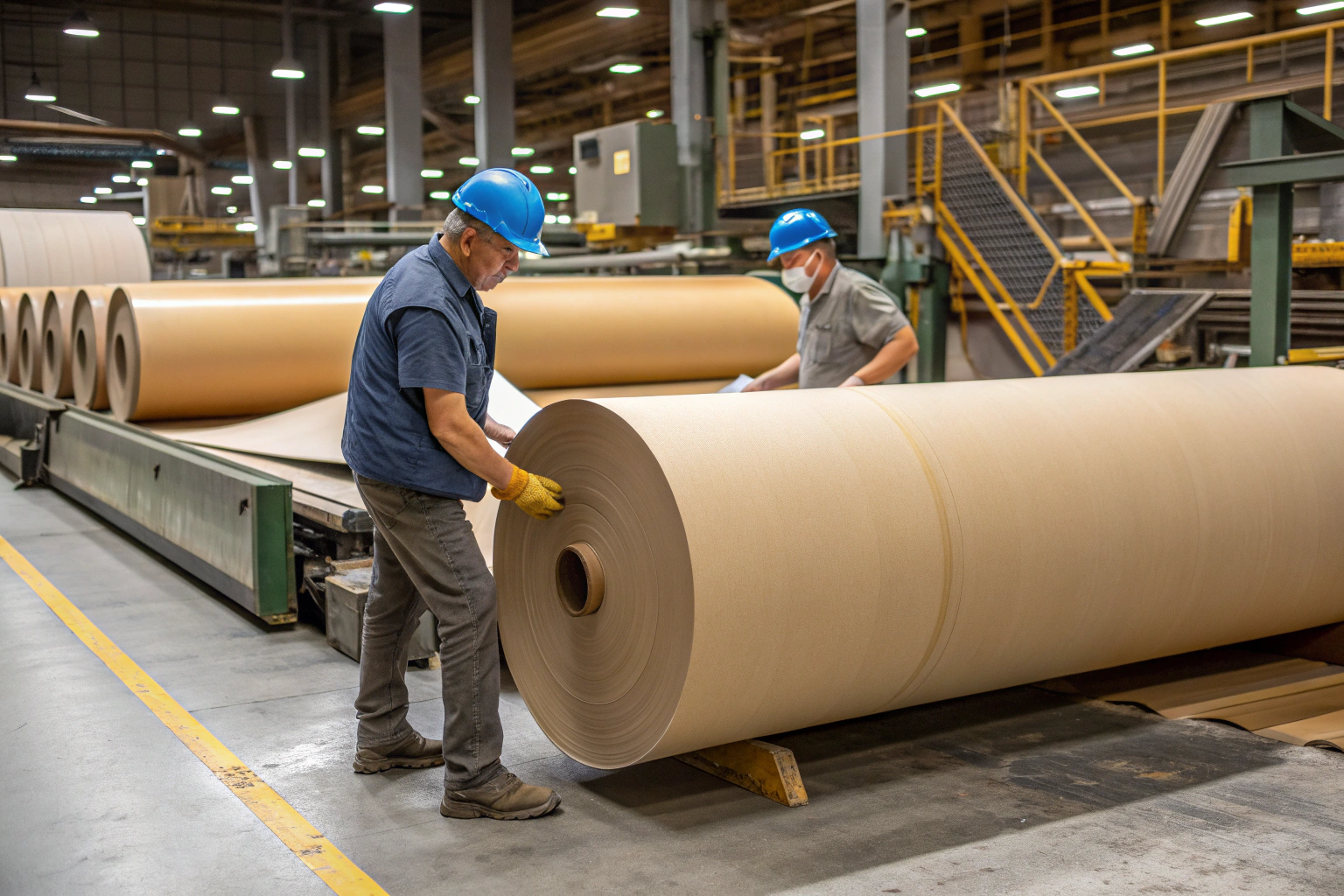
Kraft paper is strong because the kraft pulping process removes lignin while keeping cellulose fibers long and intact.
From production experience, fiber length decides tearing and folding performance. The kraft process causes less fiber damage than many bleaching methods.
Process advantage
| Process | Fiber Result |
|---|---|
| Kraft pulping | Long, strong fibers |
| Bleached pulping | Shorter fibers |
| Mechanical pulping | Weak fibers |
This is why kraft paper performs better in corrugated boxes, carrier bags, and heavy-duty packaging.
Why Is Kraft Paper Usually Brown?
Many buyers think the brown color is the reason for the name. This is incorrect.
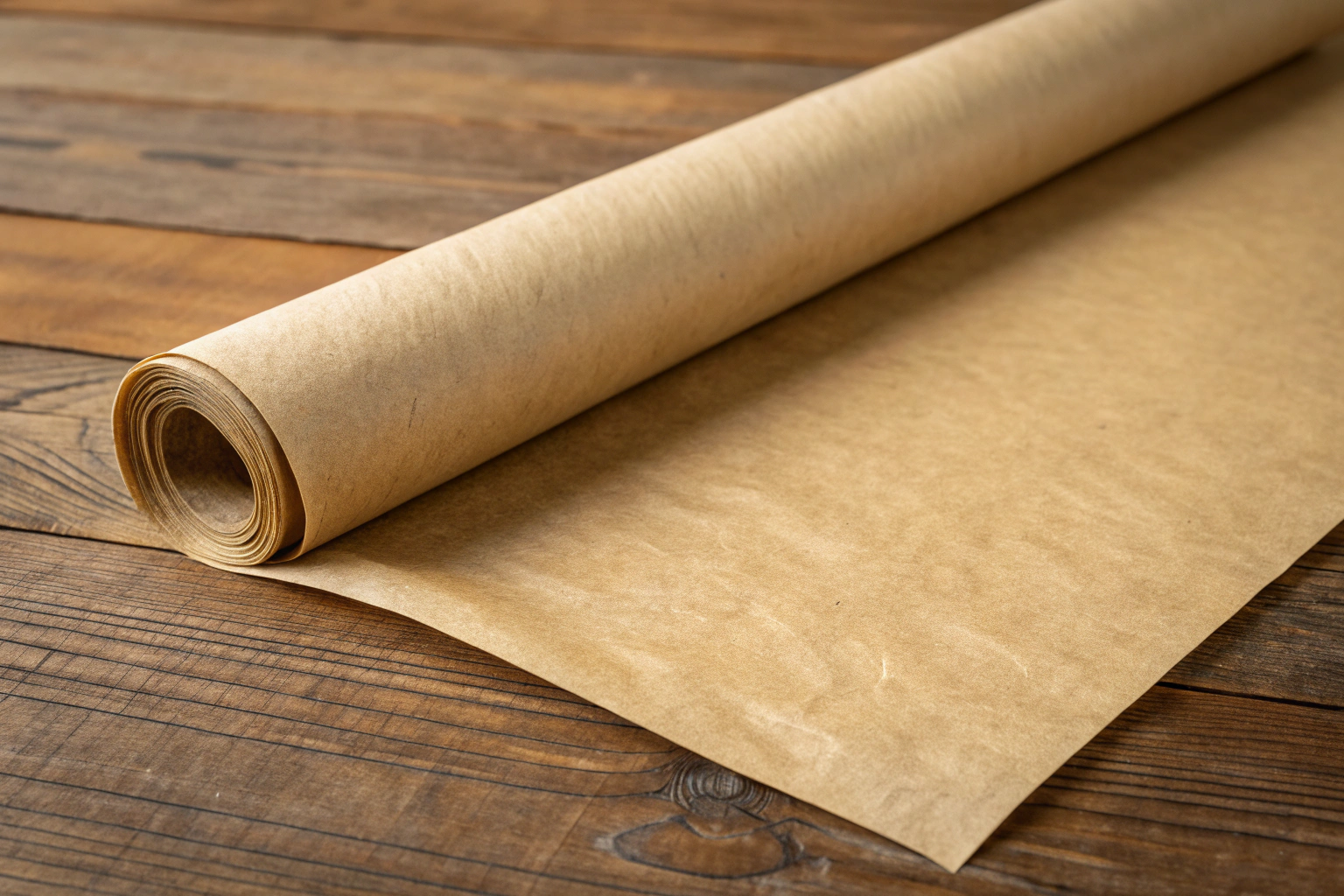
Kraft paper is brown because it is often unbleached, not because of the word “kraft.”
Bleaching removes color but also reduces strength and increases cost. Many packaging buyers prefer unbleached kraft paper because it keeps fibers stronger and signals sustainability.
Color vs performance
| Option | Result |
|---|---|
| Unbleached kraft | Stronger, brown |
| Bleached kraft | Cleaner look, less strength |
In our factory projects, brown kraft is often chosen for shipping and eco-focused branding. White kraft is used when printing clarity matters more.
Why Did Kraft Paper Become So Popular in Packaging?
The name “kraft” helped, but performance made it global.
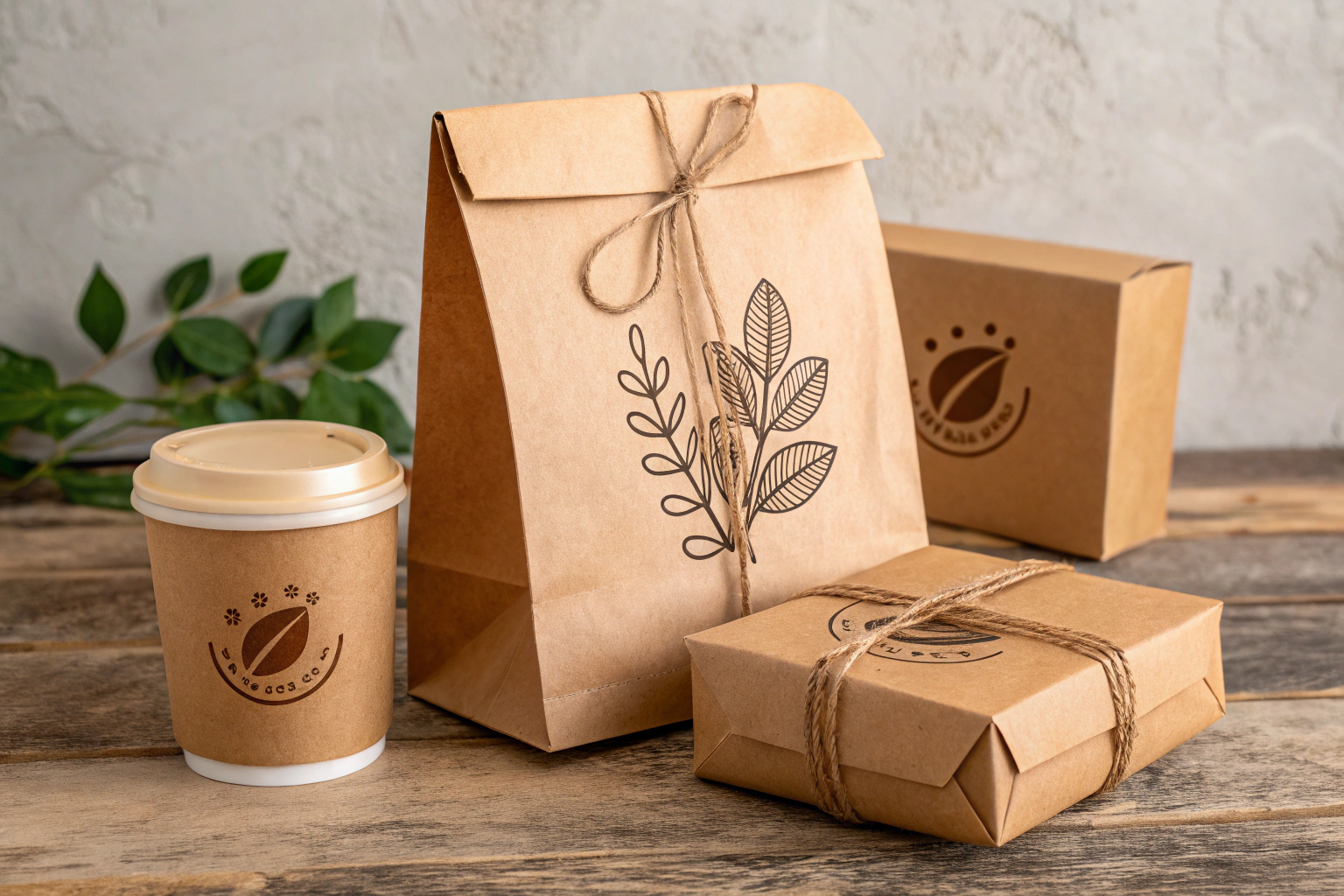
Kraft paper became popular because it offered strength, cost efficiency, and industrial scalability at the same time.
From real production use, kraft paper solved many problems that older papers could not.
Reasons for wide adoption
| Reason | Buyer Value |
|---|---|
| Strength | Fewer damages |
| Flexibility | Easy converting |
| Cost control | Stable pricing |
| Sustainability | Recyclable |
This is why kraft paper became the backbone of corrugated packaging and paper bags worldwide.
Does the Name “Kraft” Still Matter Today?
Some buyers think the name is just tradition. It still matters.
The name “kraft” still signals strength, reliability, and suitability for packaging under stress.
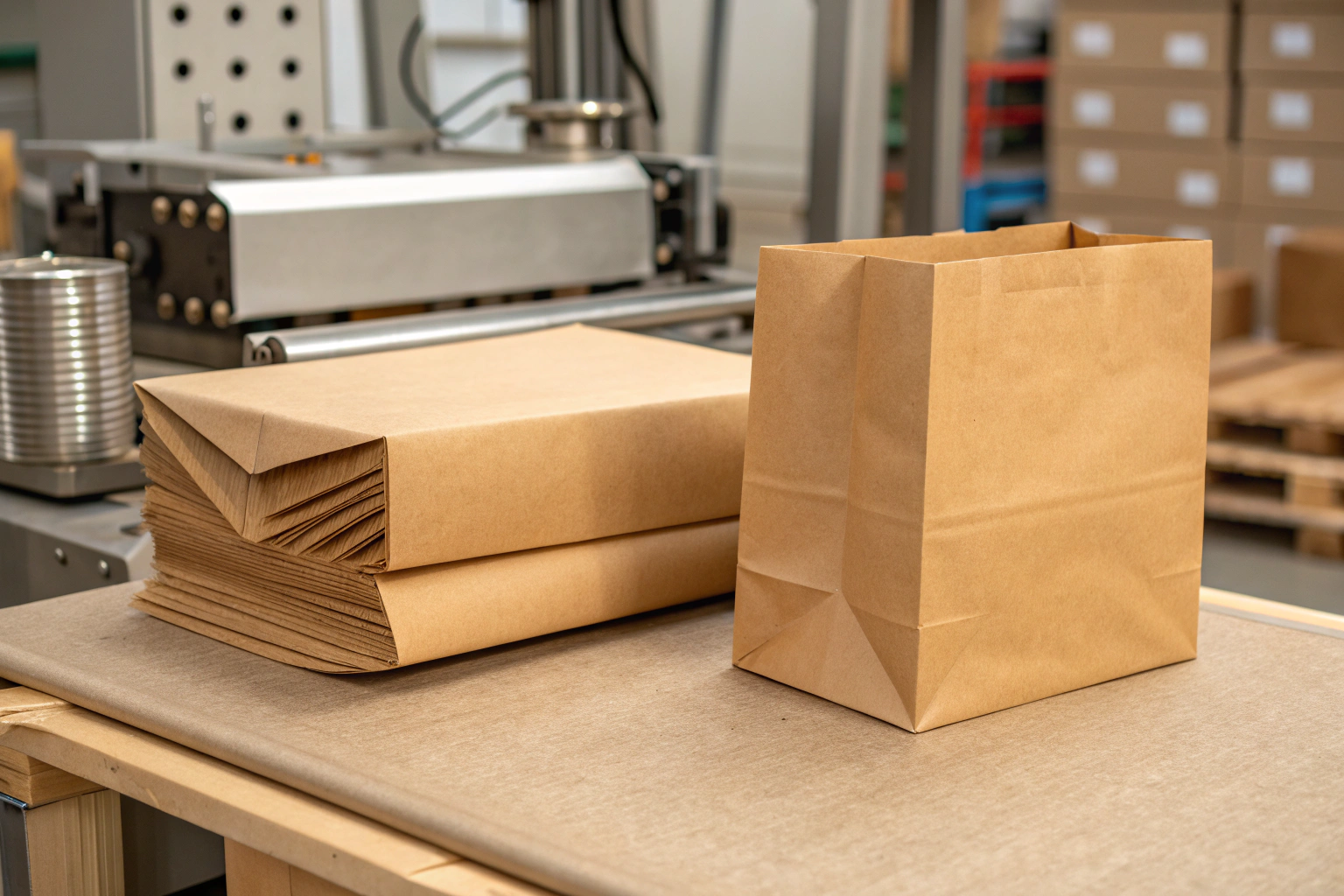
From a sourcing view, when a supplier specifies kraft liner or kraft board, it immediately tells us something about expected performance.
What “kraft” signals to buyers
| Signal | Meaning |
|---|---|
| Kraft liner | Strong corrugated liner |
| Kraft board | Better folding strength |
| Kraft paper | Packaging-grade durability |
This shared understanding simplifies communication between buyers and manufacturers.
How Do We Use Kraft Paper in Our Factory?
As a manufacturer, we rely on kraft paper daily.
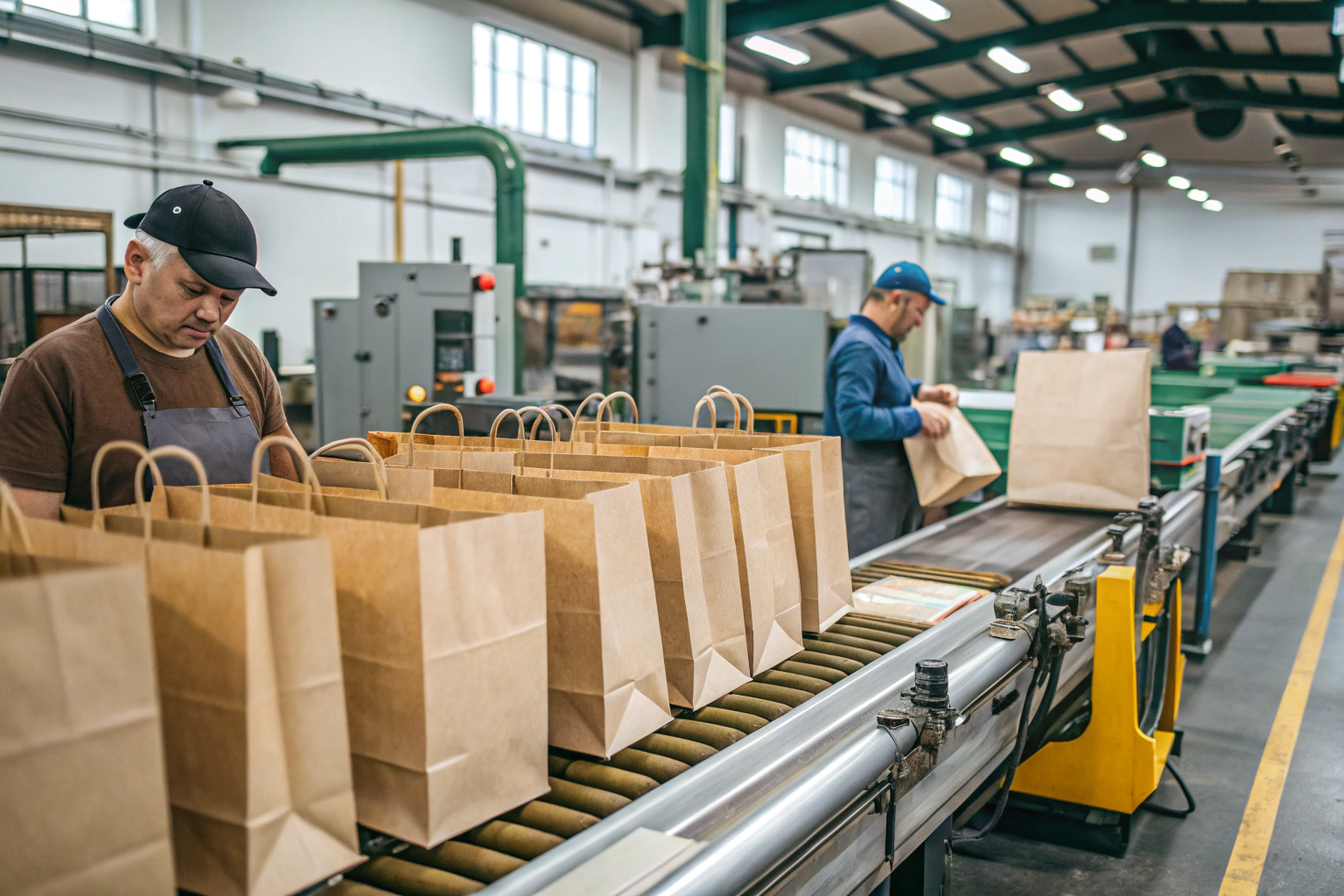
We use kraft paper because its strength and consistency support stable mass production and export packaging.
In our workshop, kraft paper performs better during printing, die cutting, and folding. It cracks less and holds shape better.
Our kraft paper control steps
- Check fiber and GSM consistency
- Control moisture before production
- Adjust creasing depth
- Inspect folding and edge strength
These steps ensure the strength promised by the word “kraft” is delivered in real boxes.
Conclusion
Kraft paper is called “kraft” because the word means strength, and strength is exactly what this paper was designed to deliver. The name comes from history, but its relevance remains practical today.
As a manufacturer, I see this every day on the production floor. Kraft paper is not just a brown paper choice. It is a material built for durability, efficiency, and reliable packaging performance.