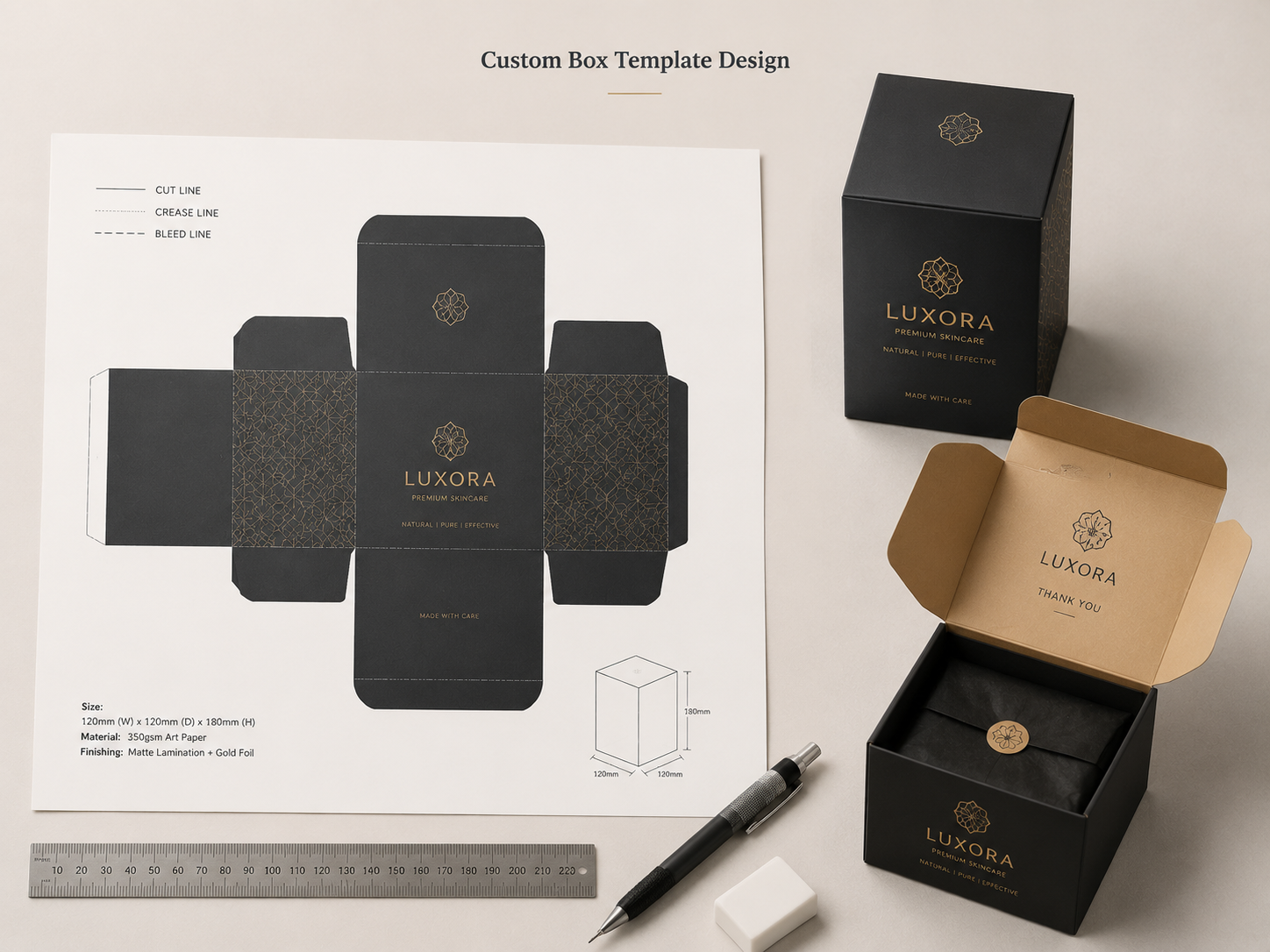
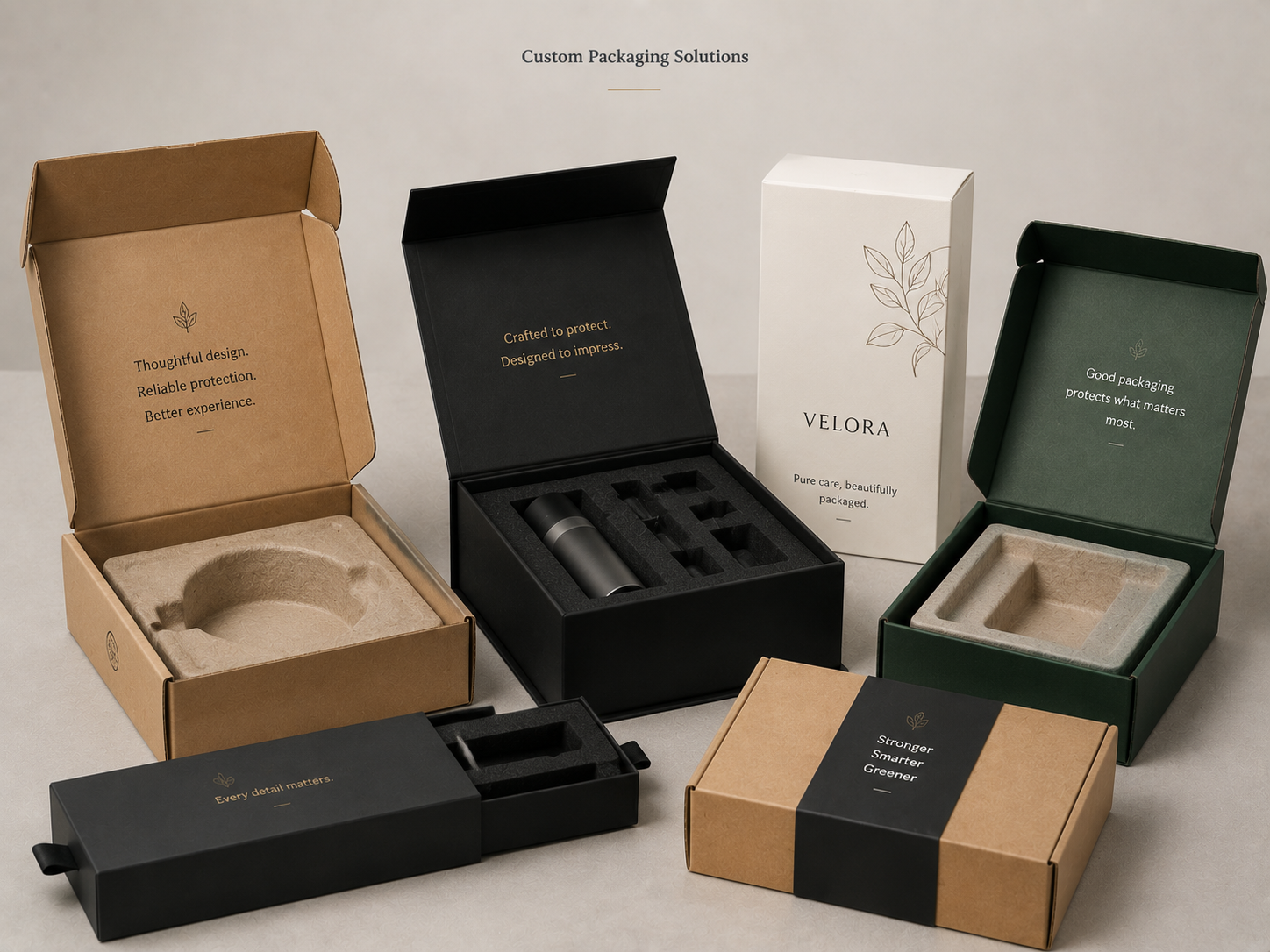
Packaging problems rarely appear at the design stage. They appear later as damage, delays, rework, or poor market response. When packaging design is treated as a secondary task, these issues become costly and difficult to fix.
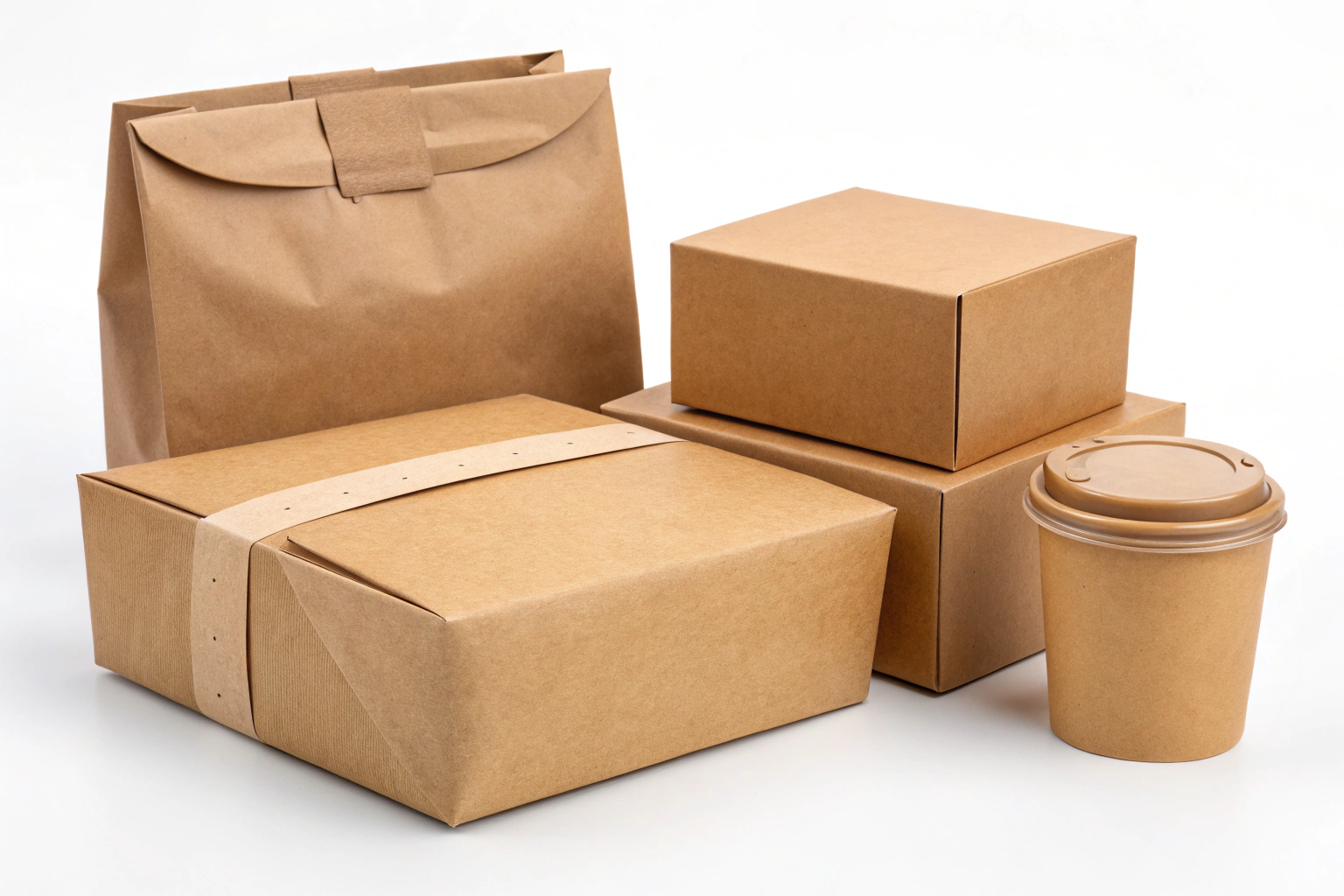
Packaging design is important because it directly affects product protection, production efficiency, brand perception, cost control, and long-term supply stability. It connects product intent with manufacturing reality.
From a manufacturing perspective, packaging design is not decoration. It is a system that determines whether a product can be produced, shipped, displayed, and used reliably at scale.
Packaging Design Protects the Product
Protection is the first and most critical role of packaging.
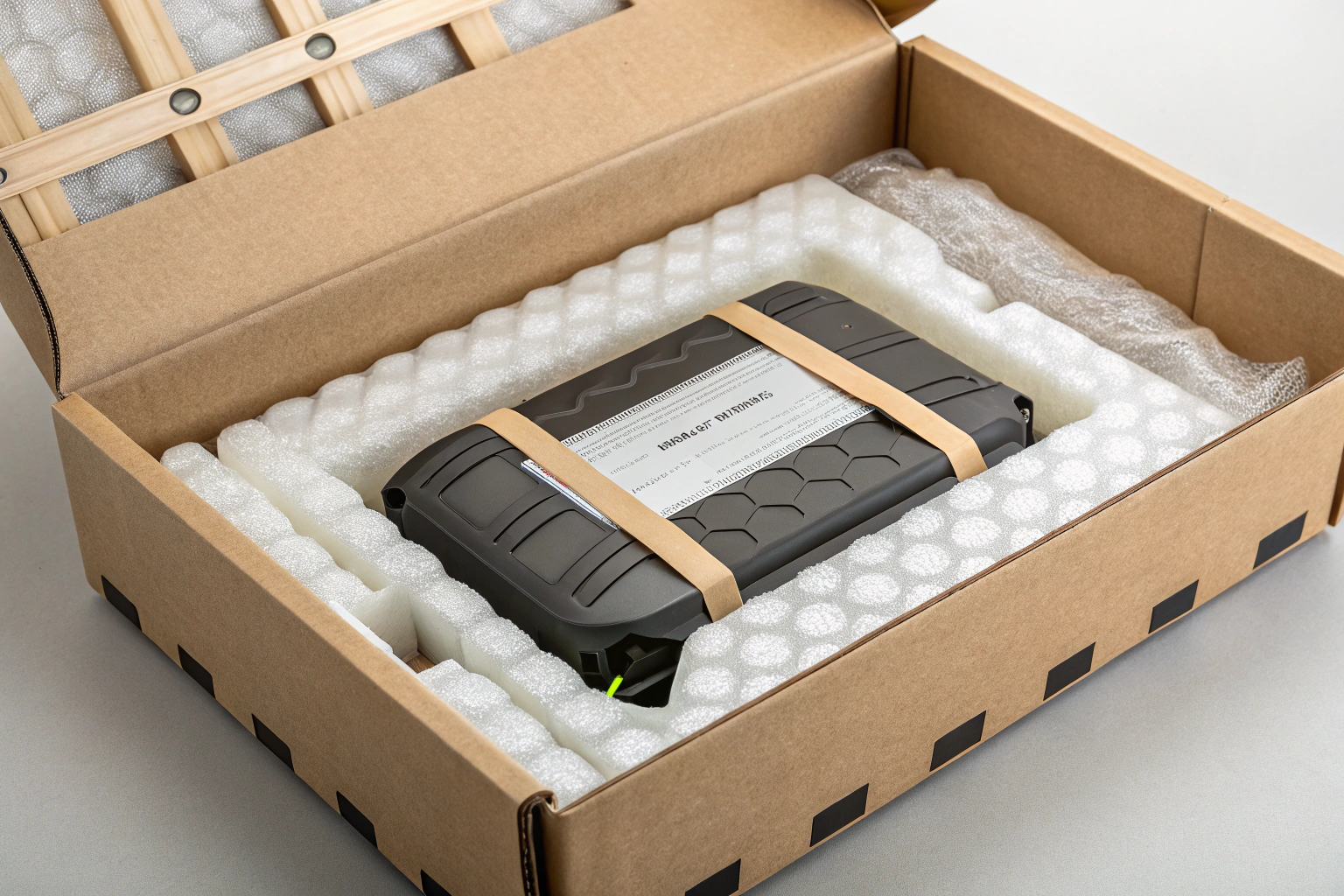
Good packaging design prevents damage during production, transport, storage, and handling.
Structure, material strength, and internal support control how force is absorbed and distributed. Poorly designed packaging allows movement, compression failure, or impact damage. These issues often appear only after shipment.
In factory workshops, protection is validated through drop tests, compression tests, and stacking tests. Strong packaging design reduces returns, replacement, and hidden logistics costs.
Packaging Design Ensures Manufacturing Stability
A design that looks good but cannot be produced consistently is a failure.
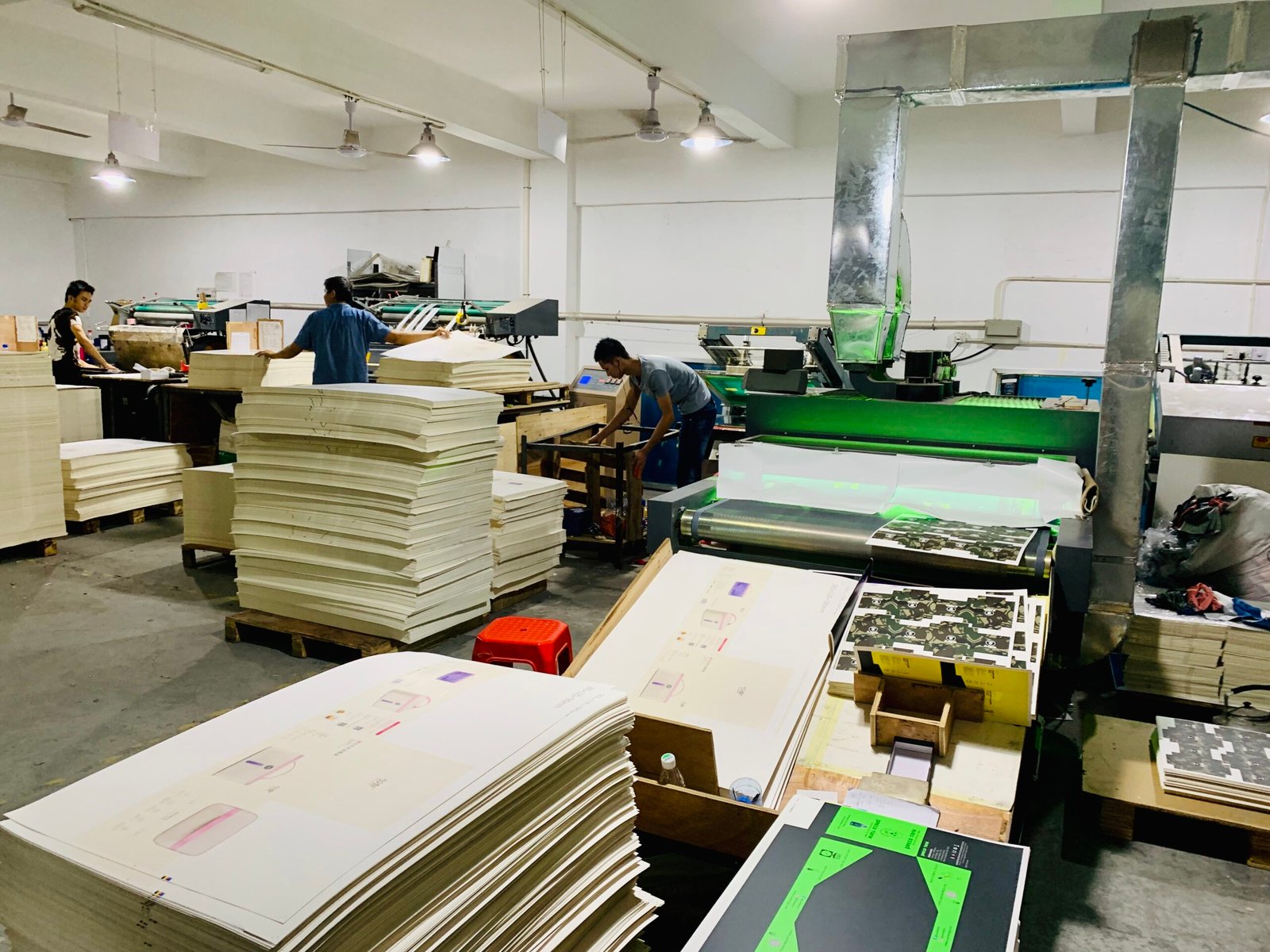
Packaging design directly affects assembly speed, defect rate, and production yield.
Complex structures, tight tolerances, and unsuitable materials slow down production and increase errors. Simple, well-engineered designs run faster and more consistently.
In manufacturing, packaging design defines die-cut accuracy, folding behavior, glue areas, and inspection points. Stable designs reduce rework and keep delivery schedules predictable.
Packaging Design Controls Cost Beyond Unit Price
Packaging cost is more than material price.
Good packaging design controls total cost by reducing waste, rework, and logistics inefficiency.
Overdesigned packaging wastes material. Underdesigned packaging causes damage and returns. Both increase total cost.
From a factory perspective, optimized packaging design balances strength and material usage. It improves yield rate, lowers scrap, and reduces unexpected expenses over long production runs.
Packaging Design Shapes Brand and Perceived Value
Packaging is often the first physical contact with a product.
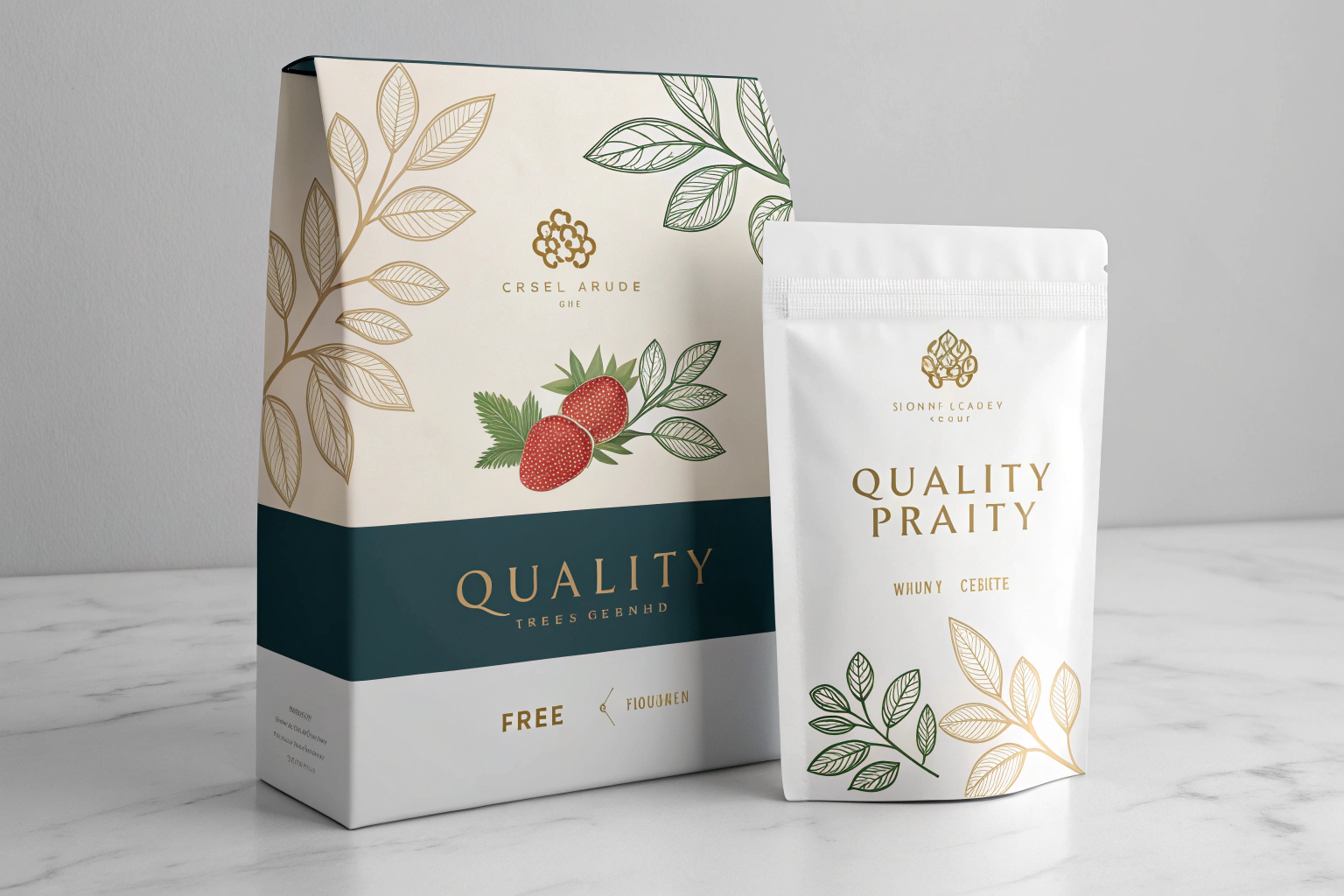
Packaging design influences how a product is perceived before it is even used.
Structure, finish, printing quality, and consistency communicate reliability and quality. Poor packaging design sends signals of low value or carelessness, regardless of the product inside.
In production, consistent printing and finishing depend on designs that respect material and process limits. Good design protects brand image by remaining consistent from samples to mass production.
Packaging Design Supports Sustainability Goals
Sustainability starts at the design stage.
Packaging design determines material usage, recyclability, and production waste.
Optimized structures reduce material consumption. Single-material designs improve recycling. Stable production reduces scrap.
From a manufacturing standpoint, sustainable packaging must still perform reliably. Designs that fail in use create more waste than they save. Responsible packaging design balances environmental goals with real-world performance.
Packaging Design Reduces Long-Term Risk
Many risks are designed in or designed out early.
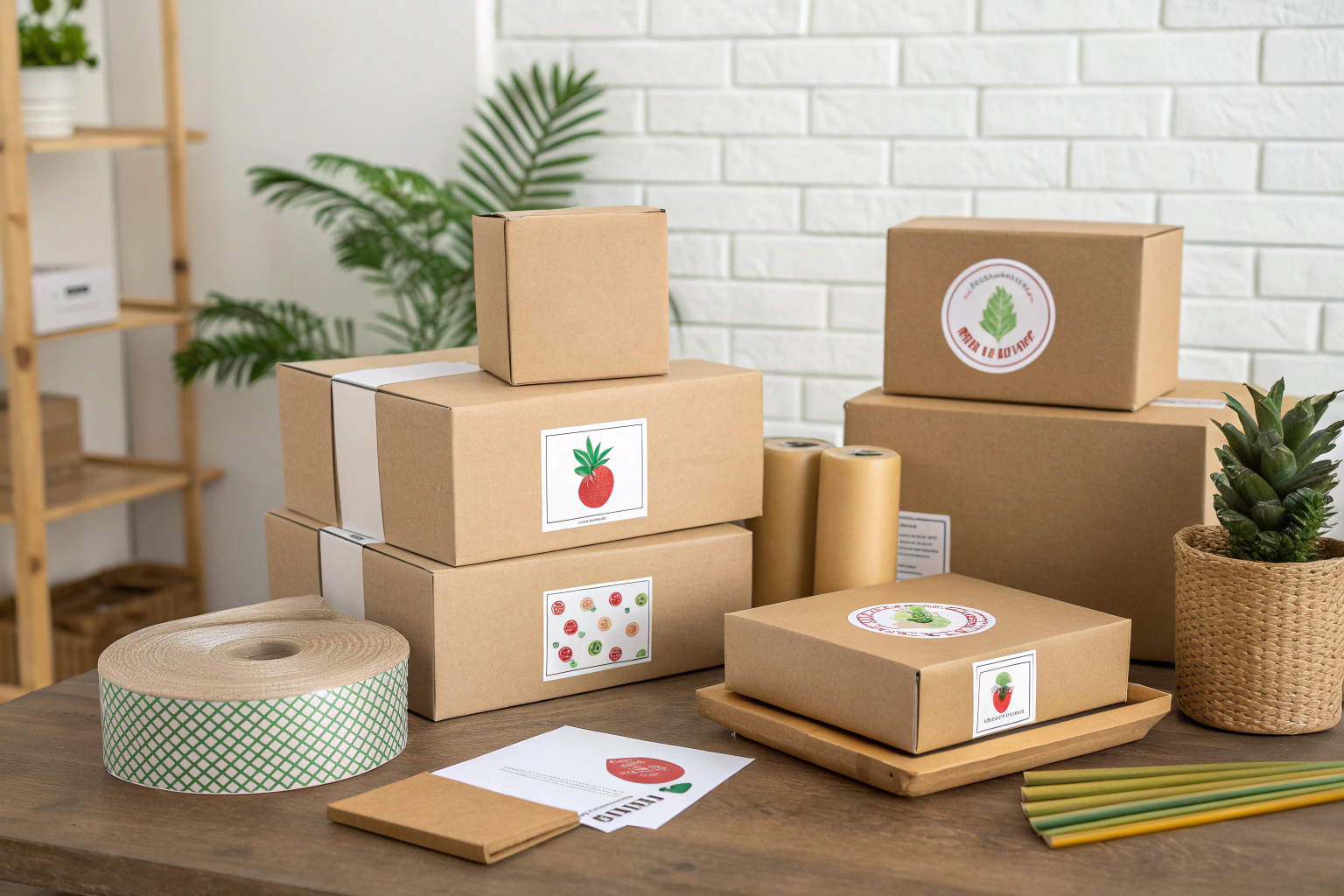
Strong packaging design reduces risk across production, logistics, and market use.
Late-stage design changes, unstable production, and transport damage all trace back to weak early design decisions.
In factory practice, early validation and production-oriented design prevent surprises during scale-up. This stability supports long-term supply planning and consistent quality.
Conclusion
Packaging design is important because it influences nearly every stage of a product’s lifecycle. It protects the product, stabilizes manufacturing, controls real cost, supports brand value, and reduces environmental and operational risk. These effects are not theoretical. They are visible every day on the production floor.
From a manufacturing perspective, packaging design is a core engineering and planning function, not a final visual step. When structure, materials, processes, and sustainability are considered together from the beginning, packaging becomes reliable, scalable, and predictable. This is why packaging design plays a decisive role in product success rather than a supporting one.