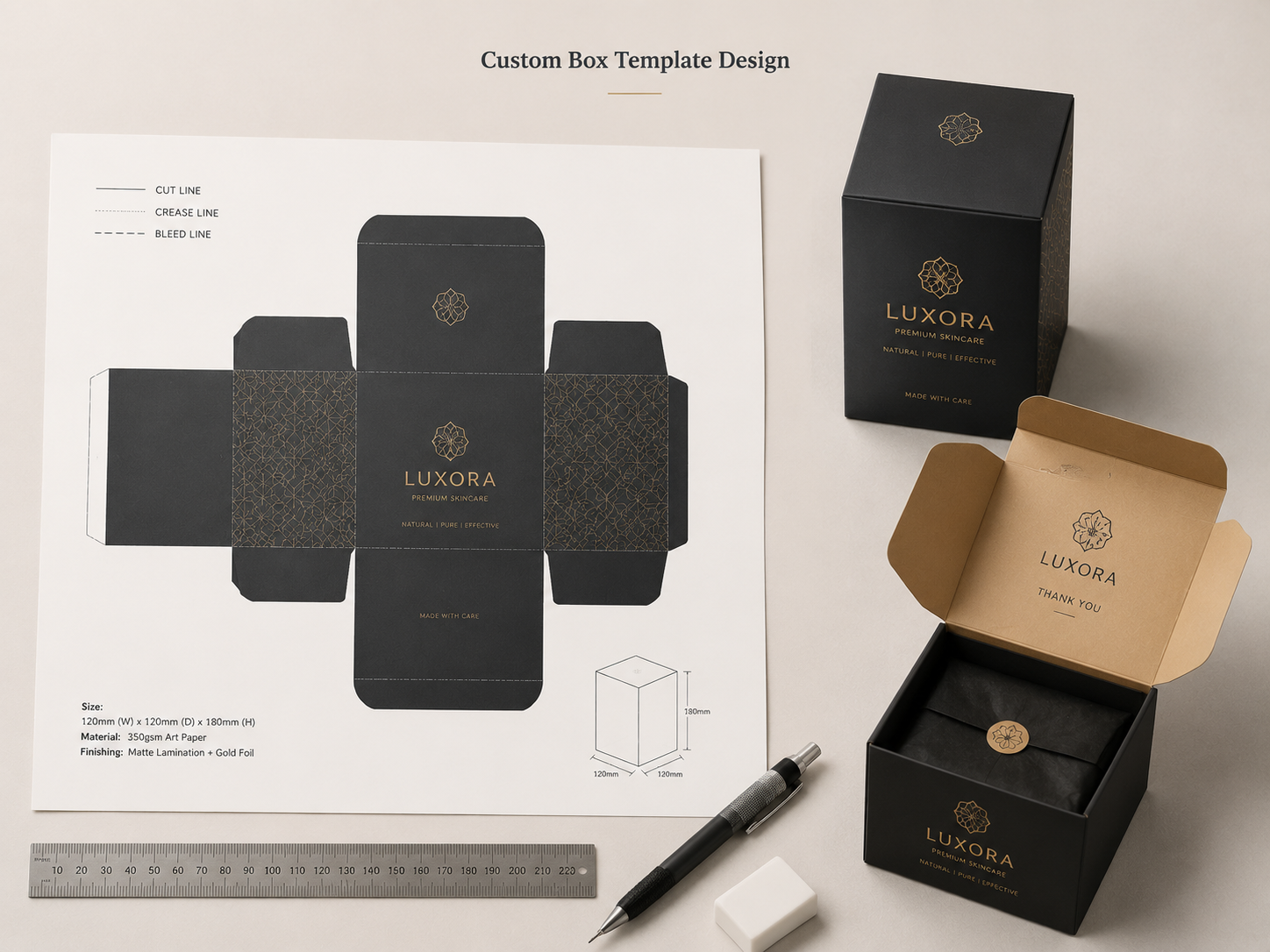
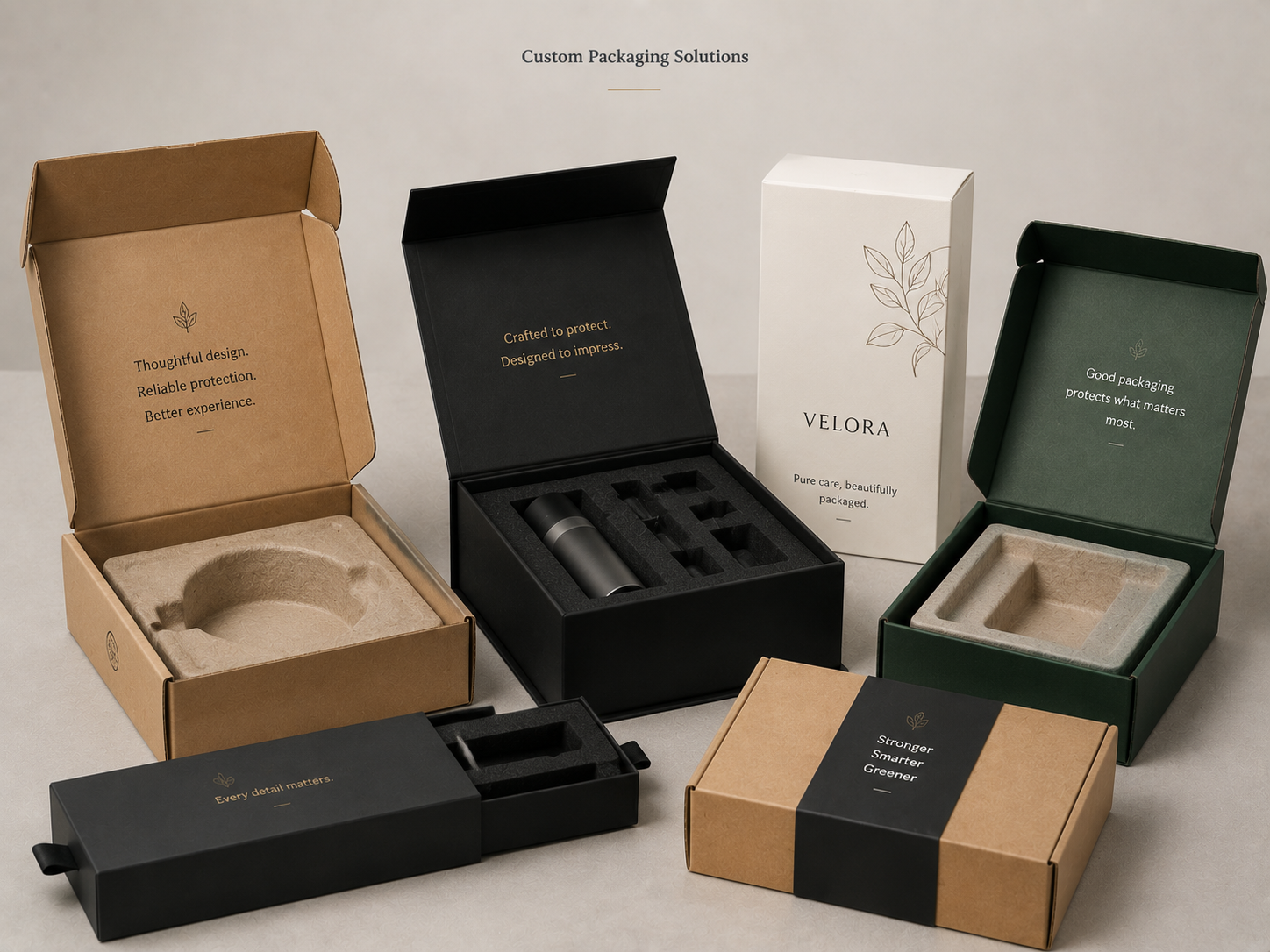
Many packaging problems are not caused by lack of creativity, but by excessive complexity. Overdesigned packaging often looks impressive at first, yet creates hidden risks during production, packing, transport, and long-term use.
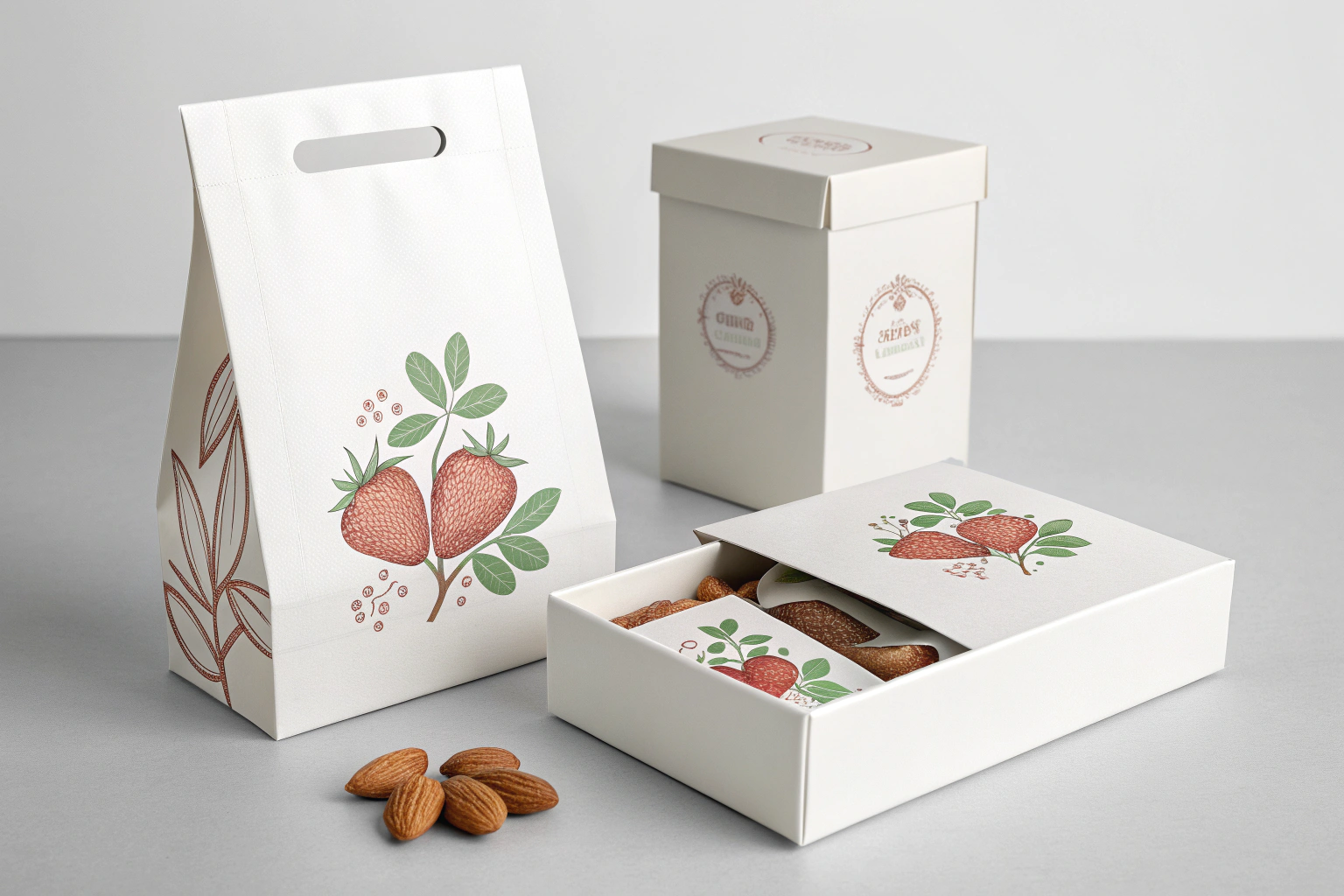
Package design should be kept simple because simplicity improves structural reliability, production efficiency, cost control, and consistency at scale. Simple designs perform better in real manufacturing environments.
From a manufacturing perspective, simple packaging design is not about reducing value, but about removing unnecessary risk. The following sections explain why simplicity is a core principle in professional packaging development.
Simple Structures Are Stronger and More Reliable
Structural performance is the foundation of packaging.
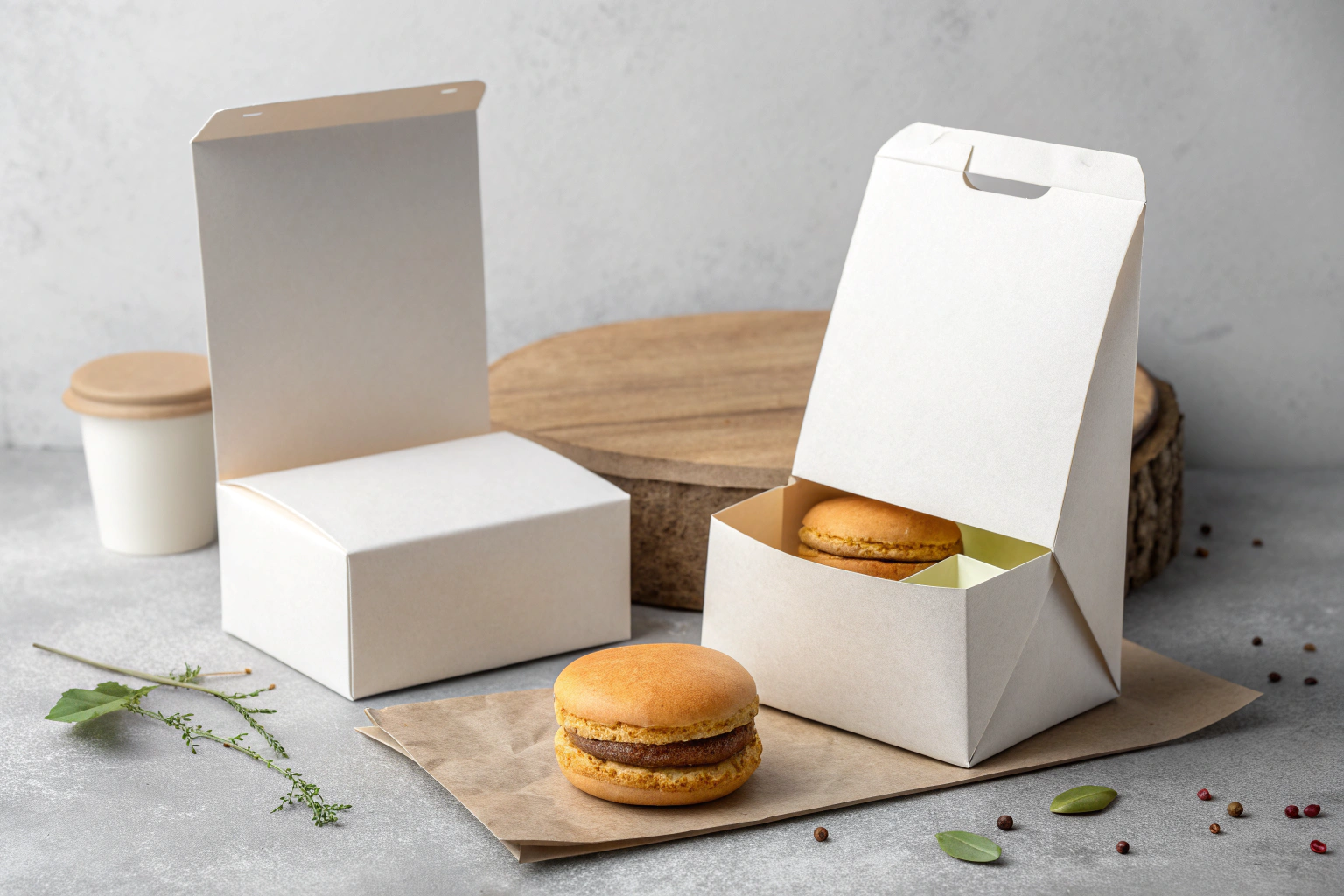
Simple packaging structures are easier to engineer, test, and repeat consistently.
Complex structures often rely on multiple folds, tight tolerances, and small locking points. These elements increase the chance of misalignment, deformation, and failure under load. Simple structures distribute force more evenly and reduce weak points.
In factory workshops, simple box and bag structures maintain squareness during assembly and stacking. Compression and drop tests show more predictable results, which is critical for mass production and transport safety.
Simple Designs Improve Manufacturing Efficiency
Production efficiency directly affects delivery time and quality stability.
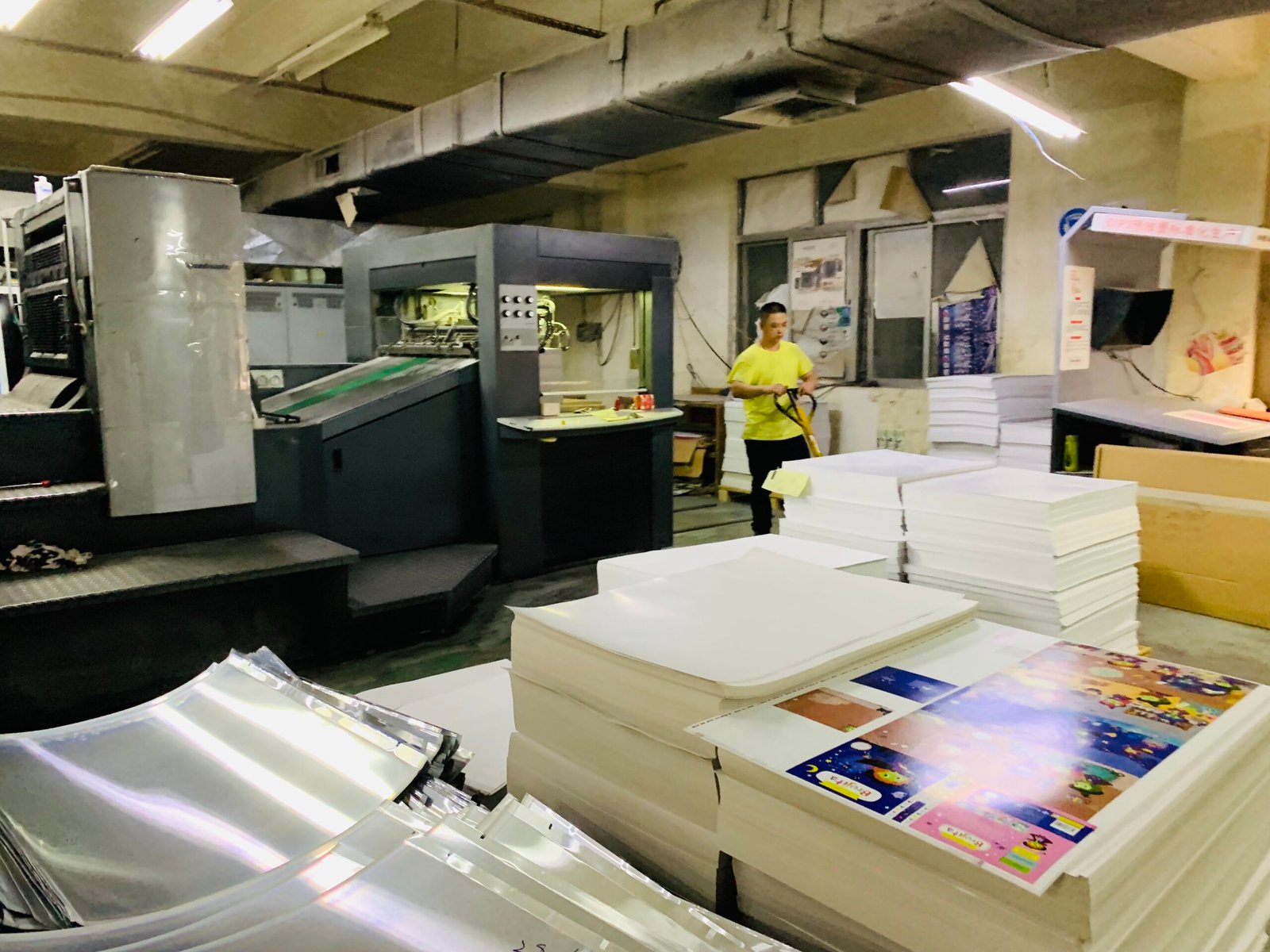
Simple package designs assemble faster and create fewer defects during mass production.
Packaging with too many steps slows down assembly lines and increases error rates. Extra folds, glue points, or manual adjustments reduce output speed and raise labor cost.
In the workshop, simple designs allow clearer assembly flow, easier operator training, and more stable machine settings. This leads to higher yield rates and more consistent quality across large volumes.
Simplicity Reduces Cost Without Sacrificing Performance
Cost issues are often linked to unnecessary complexity.
Simple packaging designs reduce material waste, tooling complexity, and rework costs.
Overdesigned packaging uses more material than required and often needs complex die-cuts or extra tooling. These increase both unit cost and scrap rates. Simple designs use material efficiently while still meeting strength requirements.
From a manufacturing view, fewer components and clearer tolerances mean lower risk of rejection. Cost savings come from stability, not from reducing quality.
Simple Designs Improve Printing and Visual Consistency
Visual quality suffers when design complexity exceeds production limits.
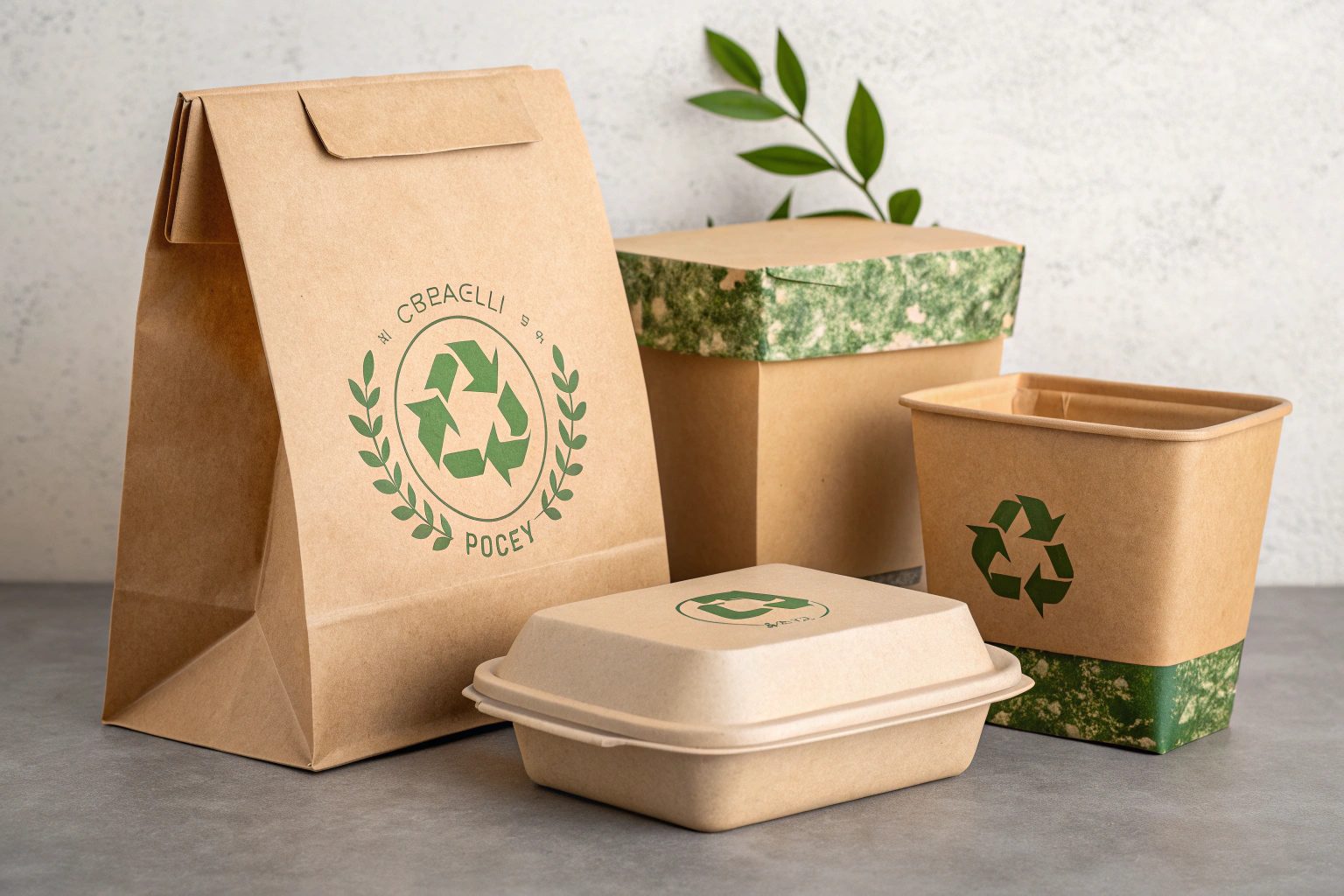
Simple layouts and finishes produce more consistent printing results.
Complex graphics, heavy ink coverage, and multiple finishing processes increase the risk of color deviation and surface defects. Simple visual design allows better color control and cleaner finishes.
In printing workshops, simple designs reduce press adjustment time and variation between batches. This helps ensure that samples and mass production remain visually aligned.
Simple Packaging Is More Sustainable
Sustainability benefits strongly from simplicity.
Simple packaging designs use fewer materials and improve recyclability.
Reducing layers, coatings, and mixed materials makes packaging easier to recycle. Optimized simple structures also reduce material consumption and transport weight.
From a factory perspective, simpler designs generate less production waste and fewer rejected units. This lowers environmental impact throughout the packaging lifecycle.
Simple Designs Reduce Risk During Transport and Use
Packaging must survive real-world handling.
Simple packaging designs perform more reliably during storage, transport, and unpacking.
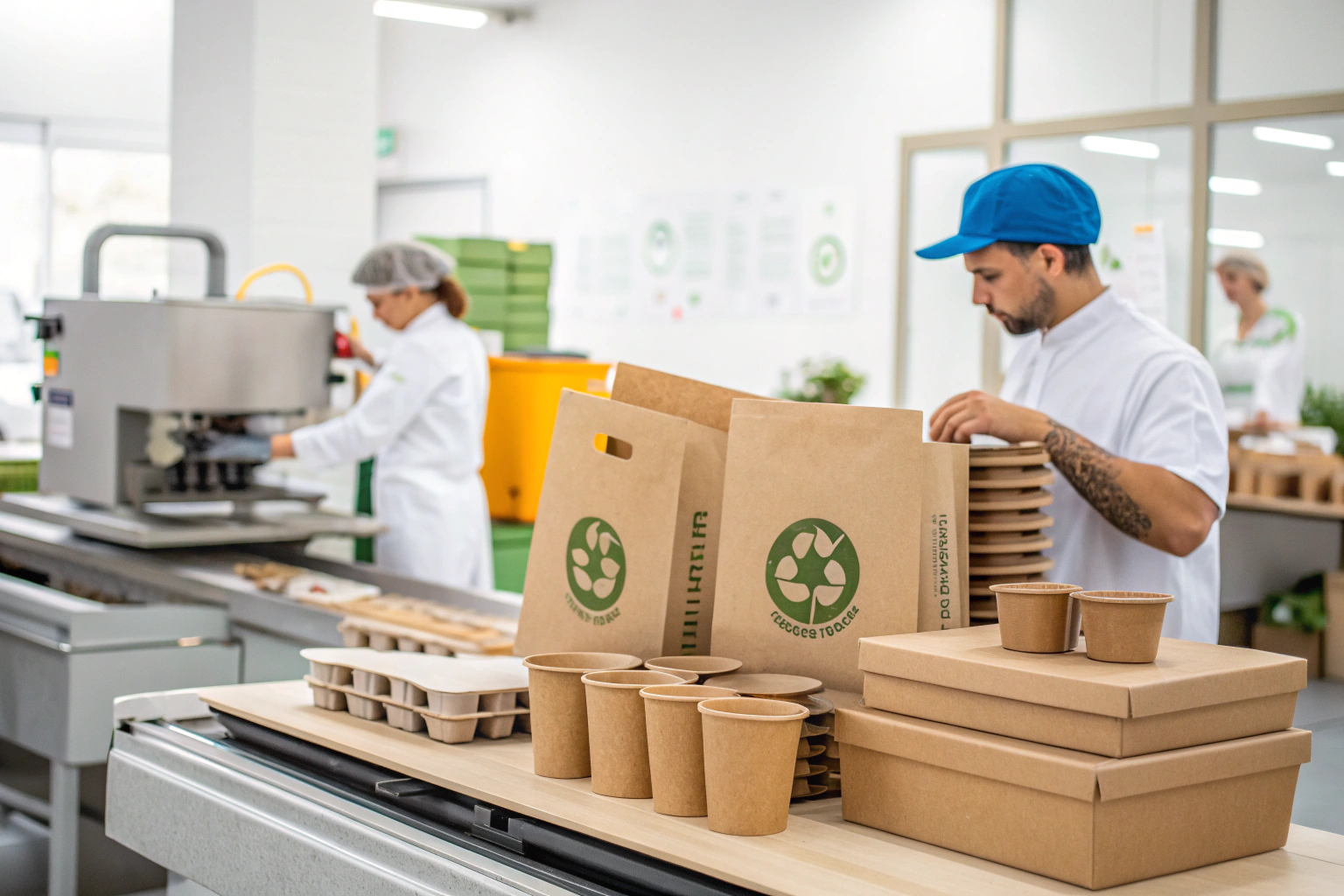
Complex structures may fail under vibration, stacking pressure, or humidity changes. Simple designs tolerate these conditions better because they rely on basic geometry and consistent material behavior.
In manufacturing validation, simple designs show fewer surprises during logistics testing. This reduces damage, returns, and replacement shipments.
Conclusion
Package design should be kept simple because simplicity supports strength, efficiency, and reliability across the entire manufacturing and supply process. Simple designs are easier to produce, easier to control, and easier to repeat consistently at scale. They reduce material waste, improve sustainability, and lower the risk of failure during transport and use.
From a manufacturing perspective, simplicity is not a limitation but a professional design strategy. When unnecessary complexity is removed, packaging performs its core functions better, production becomes more stable, and long-term quality remains predictable. Simple package design allows packaging to deliver real value without introducing avoidable risk.