Many products rely on corrugated cardboard every day, yet its role is often underestimated. When packaging fails during shipping or storage, the cause is usually a mismatch between material capability and real use conditions.
Corrugated cardboard is primarily used for shipping, transport protection, storage, and bulk packaging where strength, cushioning, and cost efficiency are required.
In manufacturing and logistics systems, corrugated cardboard is designed to solve physical problems rather than visual ones. Its structure, production method, and performance characteristics explain why it remains one of the most widely used packaging materials in global supply chains.
Why Is Corrugated Cardboard Widely Used for Shipping Boxes?
Shipping protection is the core purpose of corrugated cardboard.
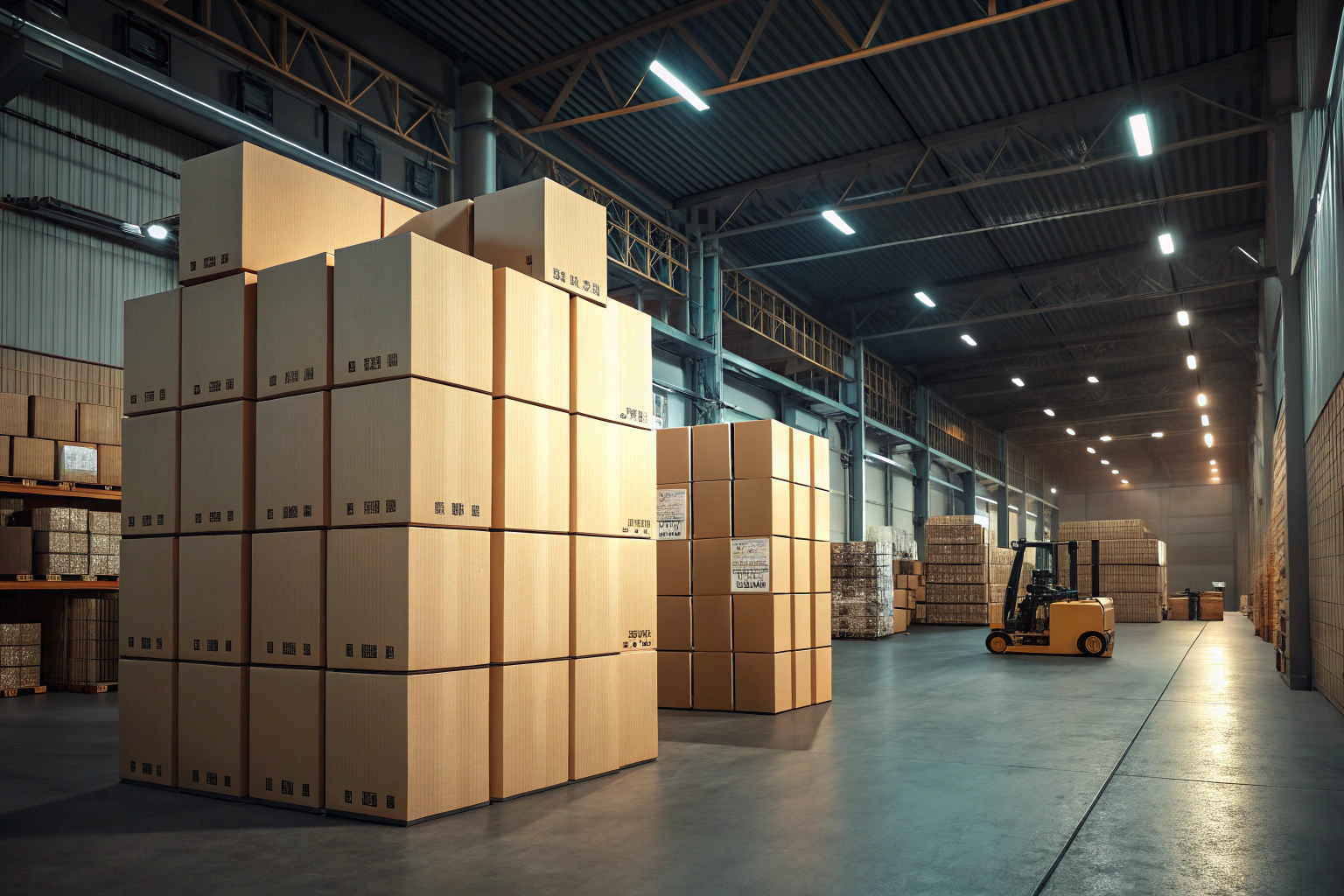
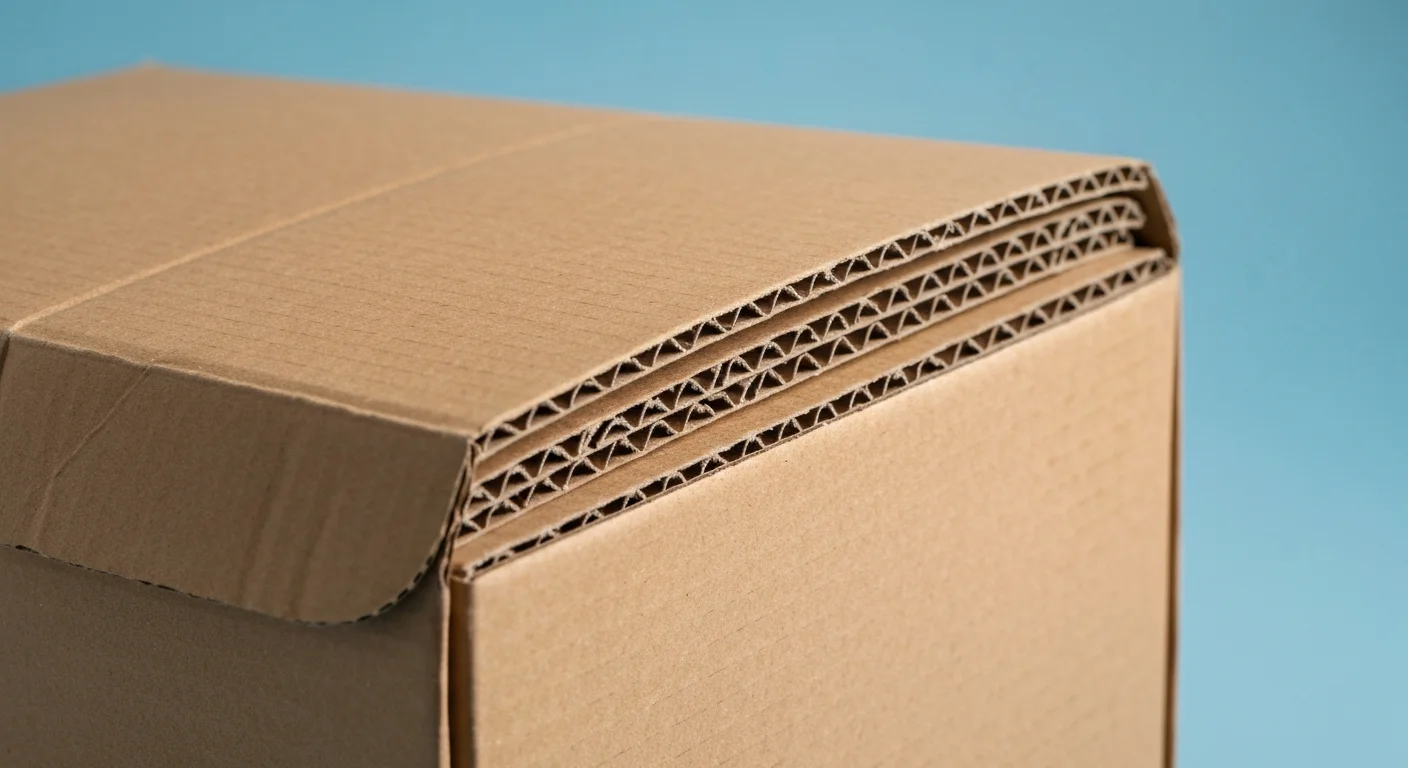
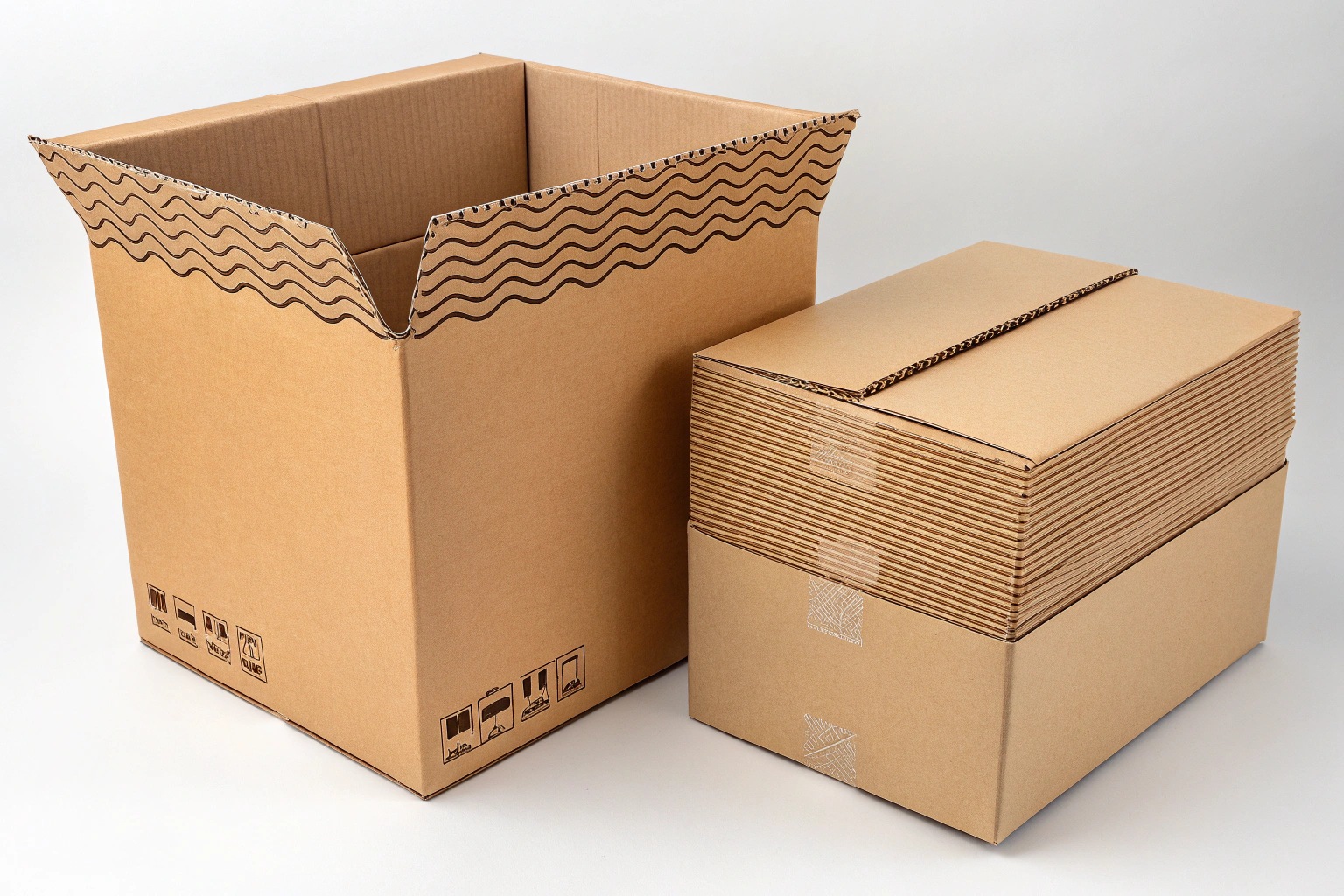
Corrugated cardboard is made of liner paper and a fluted medium. This fluted structure creates air pockets that absorb impact and distribute pressure. During transport, vibration, stacking, and drops are unavoidable. Corrugated board reduces direct force transfer to the product.
In factory testing environments, corrugated boxes perform well in:
- Compression tests
- Drop tests
- Vibration simulations
The material provides strength without excessive weight. This balance lowers shipping costs while maintaining protection. For this reason, corrugated cardboard dominates outer packaging for domestic and international transport.
In warehouse operations, standardized corrugated box sizes improve stacking efficiency and pallet stability. The material is easy to handle, easy to label, and compatible with automated packing lines.
Shipping-focused design explains why corrugated cardboard prioritizes structure over surface appearance.
How Is Corrugated Cardboard Used in Product Protection?
Corrugated cardboard protects products through structure, not decoration.
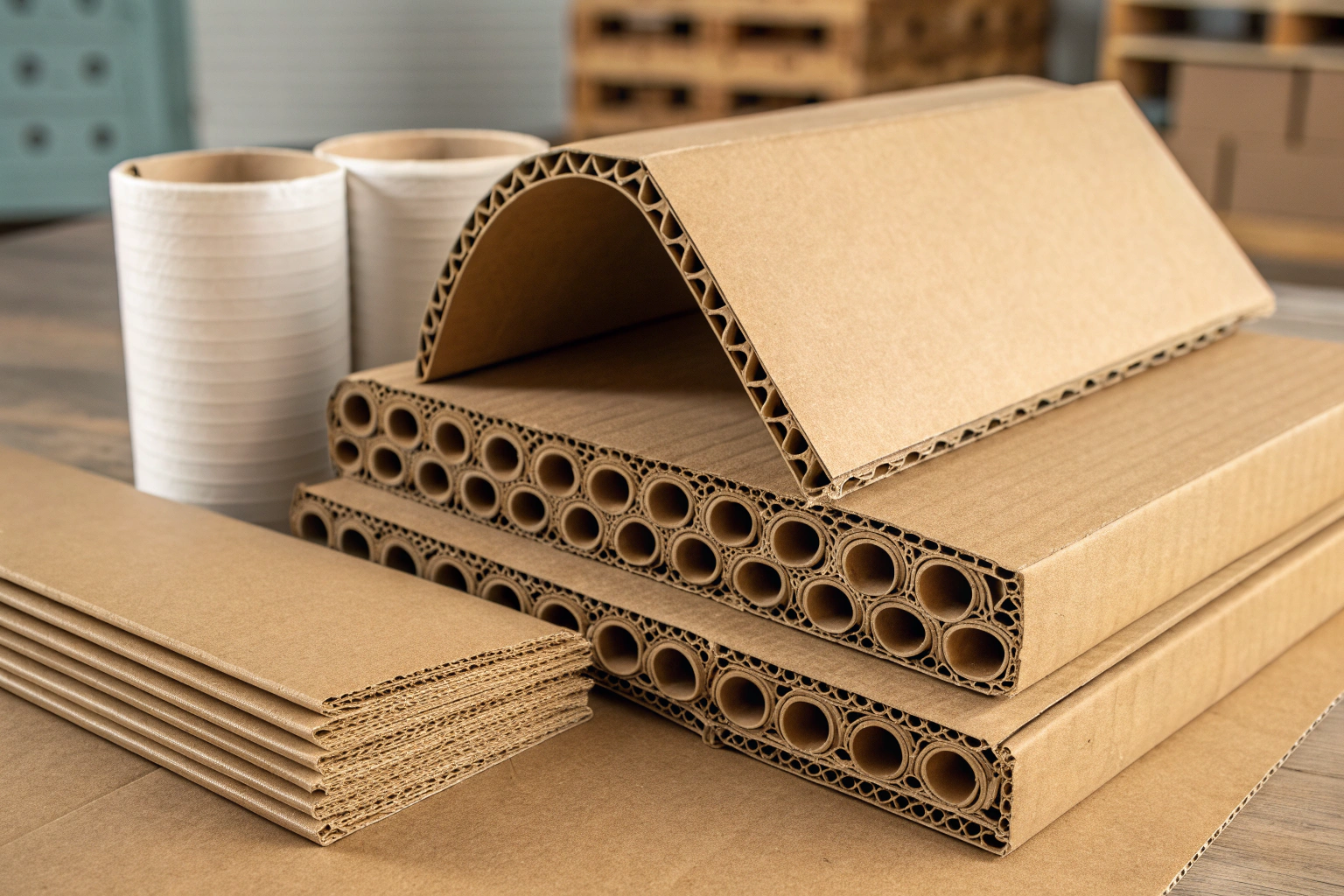
The fluted core acts as a cushion. Different flute types provide different performance:
- E-flute for light protection and compact size
- B-flute for balance between strength and thickness
- C-flute for heavy-duty protection
In manufacturing workshops, flute selection is matched to product weight and box dimensions. Incorrect flute choice often leads to crushed boxes or wasted material.
Corrugated inserts, pads, and partitions are also widely used. These components prevent product movement inside the box and reduce collision damage. In electronics and industrial packaging, corrugated inserts replace plastic foam to improve recyclability.
From a production perspective, corrugated cardboard allows flexible structural design. Die-cut shapes can be adjusted quickly. Tooling costs remain relatively low. This supports fast development and customization.
Protection performance is the reason corrugated cardboard is trusted across many industries.
What Role Does Corrugated Cardboard Play in E-commerce Packaging?
E-commerce has expanded the role of corrugated cardboard.
Online orders require packaging that protects individual items through complex delivery routes. Corrugated mailer boxes and shipping cartons meet this need efficiently.
In e-commerce fulfillment centers, corrugated packaging supports:
- Fast packing speed
- Automated sealing
- Barcode labeling
- High-volume handling
The material tolerates compression from stacked parcels and impact from conveyor systems. Custom-sized corrugated boxes also reduce empty space, lowering filler usage and shipping costs.
From factory production data, e-commerce corrugated boxes favor simple structures. Self-locking designs reduce labor. Printing is often minimal, focusing on brand logos or handling instructions.
Corrugated cardboard aligns well with the operational demands of modern e-commerce logistics.
How Is Corrugated Cardboard Used for Storage and Warehousing?
Storage stability is another major application.
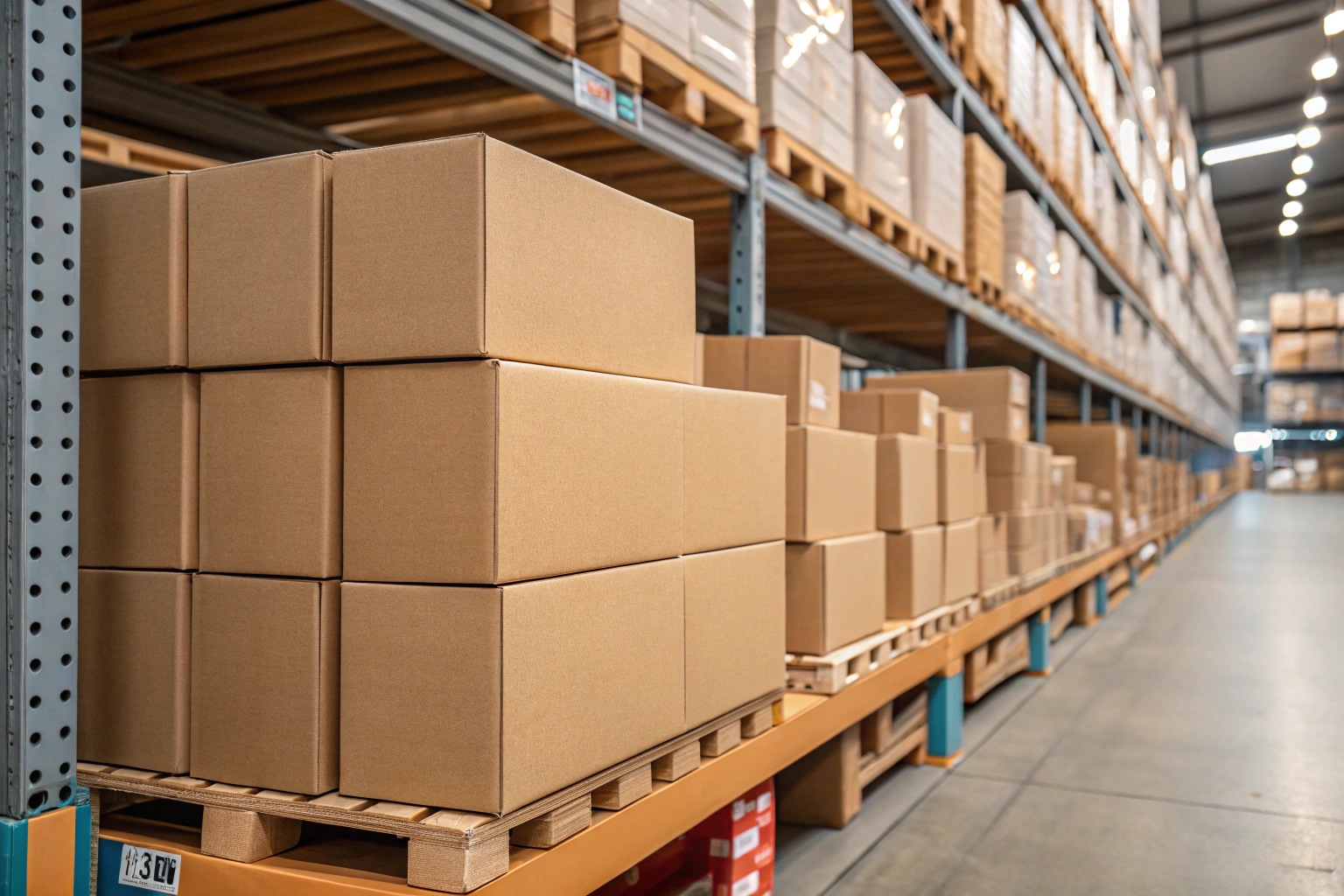
Corrugated cardboard boxes are widely used for:
- Inventory storage
- Archive boxes
- Bulk product holding
In warehouse environments, boxes may remain stacked for long periods. Corrugated board provides sufficient compression strength when properly specified.
Manufacturing specifications consider:
- Box size
- Board grade
- Flute type
- Load duration
Incorrect specifications lead to gradual deformation rather than sudden failure. This is why storage-oriented corrugated packaging often uses thicker board or double-wall construction.
Corrugated cardboard is also easy to label and reorganize. When inventory changes, boxes can be replaced at low cost. This flexibility supports dynamic storage systems.
Storage use reinforces corrugated cardboard’s role as a functional, disposable, and efficient packaging solution.
How Is Corrugated Cardboard Manufactured in the Factory?
Manufacturing defines the performance of corrugated cardboard.
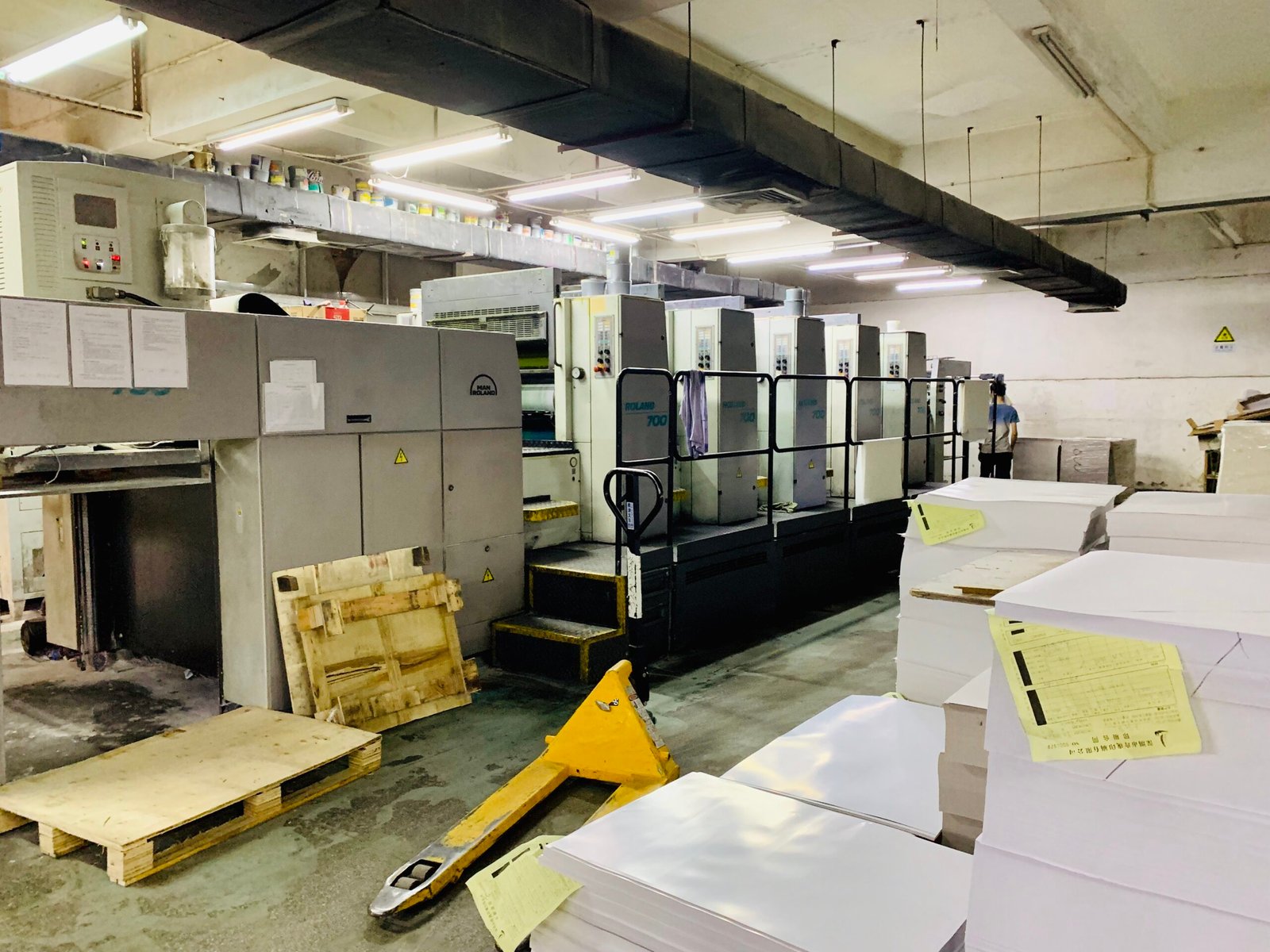
Production starts with liner paper and medium paper. These papers are formed into flutes using heat and pressure. Adhesive bonds the layers together to create corrugated board sheets.
Factory production lines include:
- Corrugating machines
- Slitting and scoring units
- Die-cutting machines
- Printing units
Quality control checks focus on:
- Flute height consistency
- Bonding strength
- Board thickness
- Compression resistance
After board production, sheets are converted into boxes through cutting, folding, and gluing. High-speed lines allow large volumes at low unit cost.
Manufacturing efficiency is one reason corrugated cardboard remains economically attractive. The process supports scale, customization, and repeatability.
What Are the Limitations of Corrugated Cardboard?
Corrugated cardboard is not suitable for every application.
The material is:
- Porous
- Sensitive to moisture
- Limited in surface finishing
In humid environments, strength decreases. In high-end retail, appearance may not meet brand expectations. In sterile or clean environments, fiber shedding becomes a concern.
From a manufacturing standpoint, corrugated cardboard is optimized for transport, not presentation. When packaging goals shift toward luxury, long-term display, or hygiene control, other materials perform better.
Understanding these limits prevents misuse and performance failure.
Conclusion
Corrugated cardboard is primarily designed to solve transport and handling challenges rather than visual presentation. Its layered structure provides impact absorption, compression strength, and stability during stacking and movement through supply chains. These properties make it a dependable choice for shipping cartons, e-commerce packaging, and warehouse storage. When the correct board grade, flute type, and box structure are selected, corrugated cardboard offers consistent protection, efficient production, and predictable cost control. Used within its functional limits, it remains one of the most reliable materials for large-scale logistics and distribution packaging.