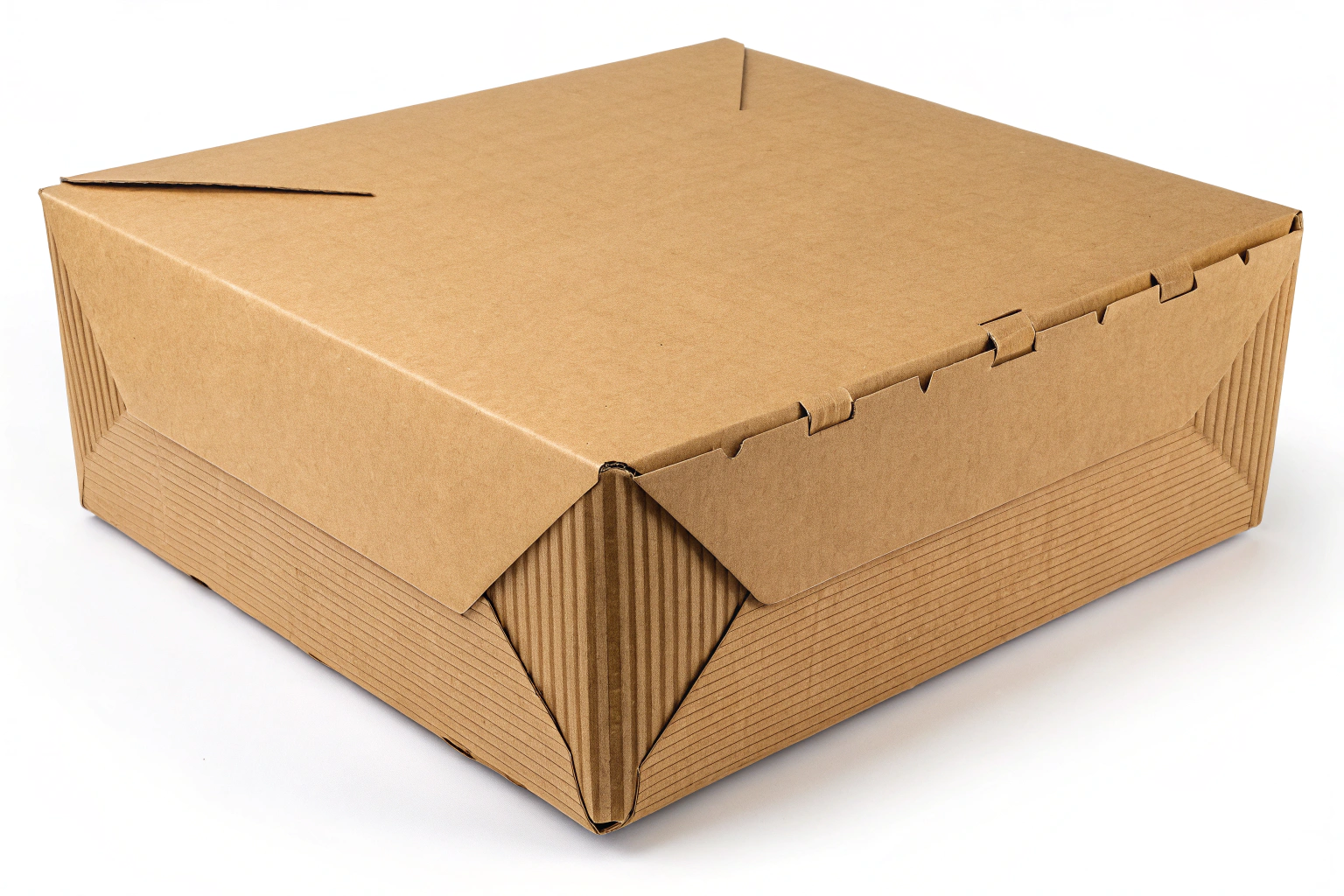
Choosing the right shipping box helps protect your products, reduce unnecessary packaging, and manage shipping costs. A well-fitted box leaves room for protective materials without adding excessive empty space, helping your products arrive securely while creating a thoughtful unboxing experience.
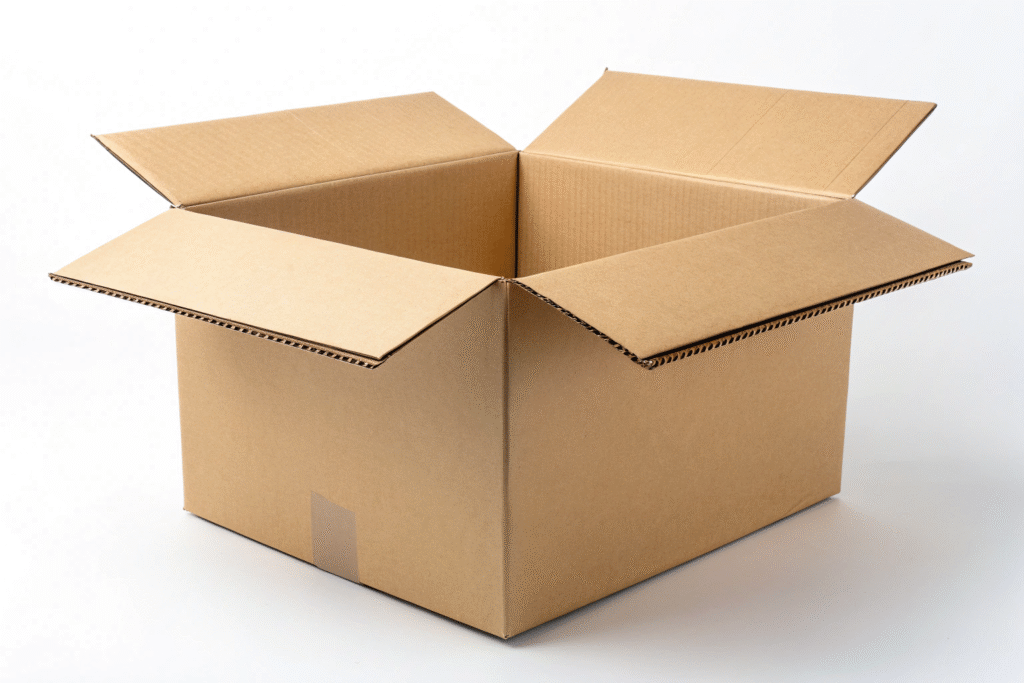
This guide explains standard shipping box sizes and dimensions, explores suitable options for products such as books, apparel, and subscription kits, and shares practical tips for choosing the right fit. Whether you need a common size or custom dimensions, Packboxprint can help you explore packaging options for your products.
Key Takeaways
- Check the measurement order. Shipping box dimensions are commonly written as Length × Width × Height or Depth (L × W × H/D).
- Match the box style to the contents. General merchandise, books, and bulky products may require different box proportions.
- Use standard dimensions as a starting point. Select a size that accommodates your product and the cushioning it needs.
- Consider custom dimensions for a closer fit. A tailored size can help reduce excess space when preset options are unsuitable.
- Balance protection with packing efficiency. The right fit limits product movement and unnecessary filler while keeping the package manageable.
What Does “Standard Shipping Box Size” Mean?
Standard shipping box sizes are preset dimensions that suppliers offer for common packing needs. These sizes provide a convenient starting point for businesses shipping individual products, multiple items, or recurring orders.
Examples include 6″ × 6″ × 6″, 8″ × 8″ × 8″, 12″ × 12″ × 6″, and 12″ × 12″ × 12″. Availability varies by supplier and box construction, so treat these as reference dimensions rather than a universal size list.
Before choosing a box, measure your product as it will be packed, including any inserts, wrapping, or cushioning. Confirm whether the supplier lists internal or external dimensions: internal measurements determine what fits, while external measurements matter when calculating shipping space.
Which Shipping Box Style Fits Your Product?
Start with the shape, weight, and protection requirements of your contents. Then choose a box format that supports a secure fit.
| Box Format | Suitable Products | What to Consider |
|---|---|---|
| Cube-shaped boxes | Compact merchandise, gift sets, and products with similar length, width, and height | Check that the contents fit without leaving excessive space around them. |
| Shallow rectangular boxes | Books, catalogs, stationery, and folded apparel | Allow for edge protection and enough clearance to close the box without pressure. |
| Larger rectangular boxes | Multi-item orders, subscription kits, and bulky products | Plan the arrangement of the contents and use dividers or cushioning where needed. |
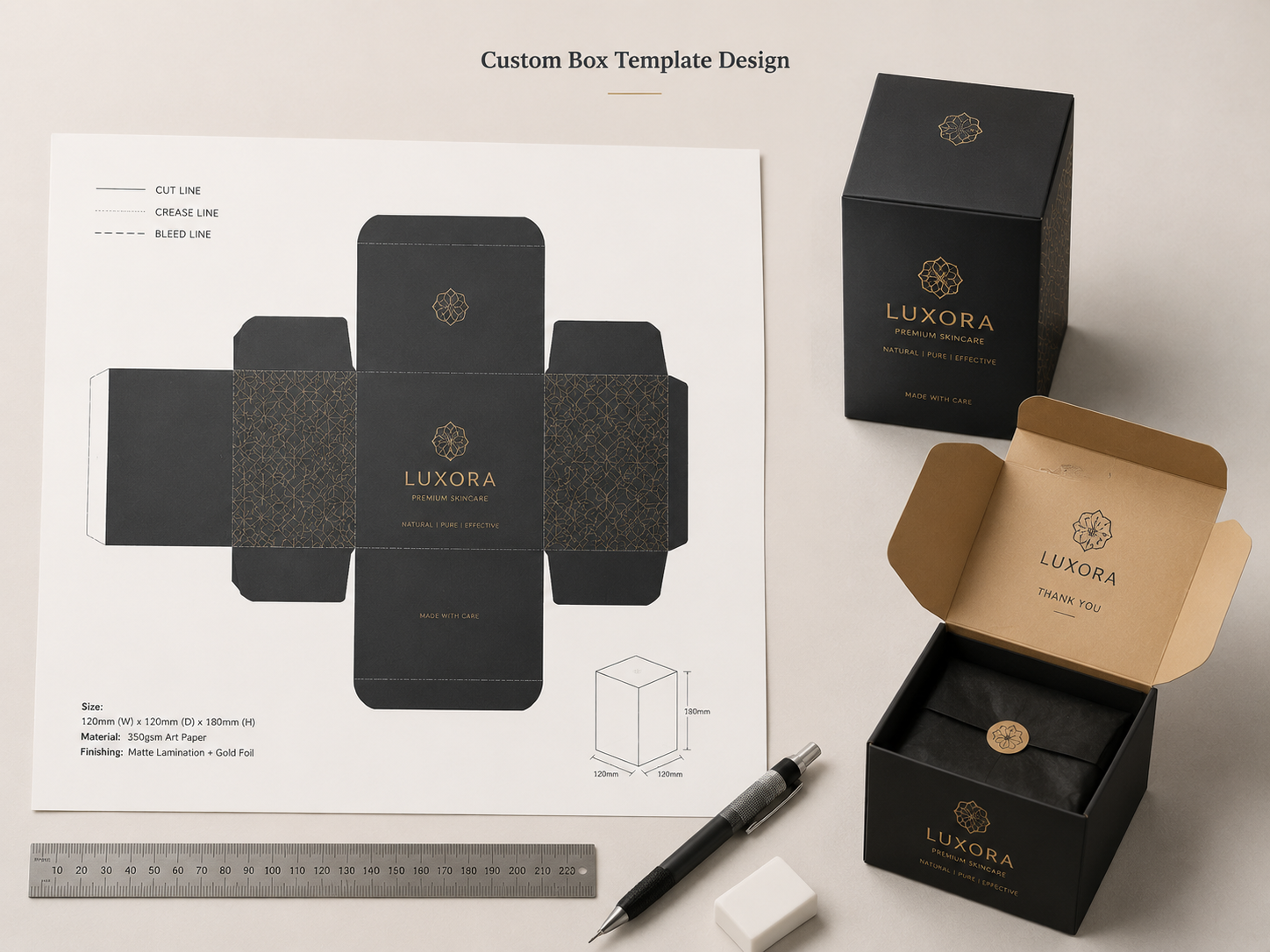
| Custom-sized boxes | Unusually shaped products or items that fit poorly in preset sizes | Confirm the packed dimensions, total weight, and required material strength. |
For packaging options from Packboxprint, share your product measurements, packed weight, and shipping requirements. Confirm the available sizes and box specifications before placing an order.
Common Shipping Box Sizes for Everyday Orders
General-purpose shipping boxes accommodate a wide range of products, including apparel, beauty items, gifts, and packaged electronics. The best size depends on the complete packed contents, including cushioning and inserts.
Use the dimensions below as reference examples. Product fit and required protection should determine your final choice.
| Example Dimensions (L × W × D) | Relative Size | Potential Applications |
|---|---|---|
| 6″ × 6″ × 6″ | Compact | Cosmetics, small accessories, individually protected mugs |
| 8″ × 8″ × 8″ | Small | Candles, compact electronics, small gift assortments |
| 12″ × 12″ × 6″ | Medium, shallow | Folded clothing, books, subscription kits |
| 12″ × 12″ × 12″ | Larger cube | Bundled products, home accessories, multi-item orders |
Choose enough space for appropriate protection without leaving large gaps that allow the contents to shift.
Shipping Box Dimensions for Books and Printed Materials
Books and printed products benefit from packaging that limits movement and protects corners, edges, and covers. Shallow boxes or wraparound book mailers can provide a close fit, depending on the thickness and number of items being shipped.
Measure the entire stack, including protective wrapping, before selecting a size. A box that fits a paperback may not accommodate a hardcover with the same page dimensions.
| Example Dimensions (L × W × D) | Packaging Profile | Potential Applications |
|---|---|---|
| 6″ × 6″ × 4″ | Compact | Small-format books, journals, miniature book sets |
| 11″ × 8.5″ × 2″ | Shallow | Slim paperbacks, brochures, catalogs |
| 11″ × 8.5″ × 3″ | Moderate depth | Thicker books, magazines, document bundles |
| 12″ × 9″ × 3″ | Wider format | Illustrated books, workbooks, printed presentations |
| 12″ × 12″ × 6″ | Deep, square format | Multiple books, boxed collections |
| 18″ × 12″ × 6″ | Oversized format | Large publications, calendars, portfolios |
A close fit can reduce unnecessary filler, but leave sufficient clearance for any corner or edge protection your shipment requires.
Corrugated Box Sizes for Material-Conscious Packaging
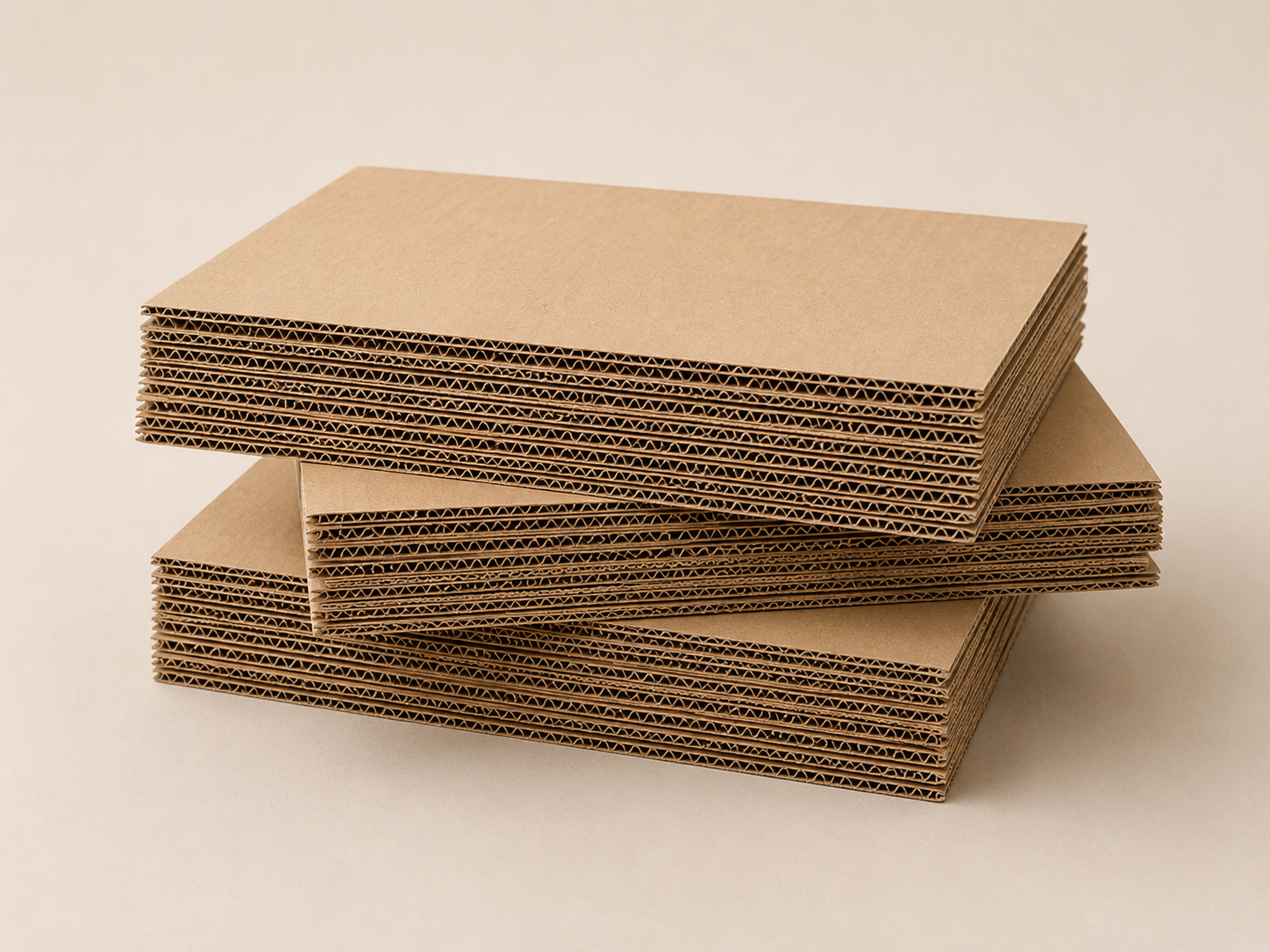
When reducing packaging waste is a priority, consider both the box dimensions and its material specifications. A well-sized corrugated box can help limit excess board and filler while providing the protection your products need.
Ask your supplier to confirm recycled content, coatings, and local recycling compatibility. These characteristics vary by material and finish.
| Example Dimensions (L × W × D) | Box Profile | Potential Applications |
|---|---|---|
| 6″ × 6″ × 6″ | Compact cube | Small packaged merchandise, accessories |
| 8″ × 8″ × 8″ | Small cube | Candles, gift items, compact devices |
| 10″ × 10″ × 8″ | Mid-size | Apparel bundles, gift assortments |
| 11.25″ × 8.75″ × 4″ | Shallow rectangular | Books, promotional materials, welcome kits |
| 11.25″ × 8.75″ × 6″ | Deeper rectangular | Retail bundles, multi-piece orders |
| 12″ × 12″ × 6″ | Wide, shallow | Subscription kits, folded garments |
| 12″ × 12″ × 12″ | Larger cube | Bulky merchandise, mixed-product shipments |
All dimensions above are reference examples, rather than a confirmed stock-size list. Before ordering from Packboxprint, confirm available dimensions, whether measurements are internal or external, and the board strength needed for your packed product.
How to Choose the Right Shipping Box Type
Your product’s shape, weight, and packing requirements should guide your choice. Use the following recommendations to narrow down your options.
General-Purpose Shipping Boxes
Choose a general-purpose corrugated box for everyday retail and e-commerce orders. This format works well when you:
- Ship apparel, cosmetics, gifts, or packaged electronics.
- Pack several products together.
- Need additional depth for bulky items or protective inserts.
- Want a versatile format for different product combinations.
Book Boxes and Wraparound Mailers
Consider a book box or wraparound mailer for flat, rectangular products that benefit from a close fit. These formats are useful for:
- Paperback and hardcover books.
- Magazines, catalogs, journals, and stationery.
- Small collections or bundled publications.
- Orders that require protection around covers, corners, and edges.
Choose the depth carefully to accommodate the full stack and any protective materials.
Recycled-Content Corrugated Boxes
If recycled content is a packaging priority, ask about corrugated materials with a verified recycled-content specification. These may suit businesses that:
- Want to incorporate recycled fibers into their packaging.
- Prefer a simple printed design on a paper-based surface.
- Need to document material choices for purchasing requirements.
Confirm the board strength, print options, and recycling compatibility of the finished package before ordering.
Custom-Sized Shipping Boxes
Custom dimensions are worth considering when preset sizes leave too much empty space or cannot accommodate your product safely. They can be particularly useful for:
- Unusually shaped or oversized products.
- Products packed with fitted inserts.
- Recurring orders with a consistent product arrangement.
- Shipments that require a closer balance between protection and package size.
6 Practical Tips for Selecting Shipping Box Dimensions
1. Measure the Complete Packed Contents
Measure your product after adding the wrapping, inserts, dividers, or cushioning you intend to use. For multi-item orders, arrange everything in its final packing position first.
Record the overall length, width, and height, then compare these measurements with the box’s usable internal dimensions.
2. Choose a Close Fit Without Compressing the Contents
Select a box that accommodates the packed product comfortably. The flaps should close naturally without bulging or pressing against the contents.
A close fit helps limit movement and reduces the amount of empty space you need to fill.
3. Match Cushioning to the Product
Fragile, heavy, or easily scratched items may need different protective materials. Allow sufficient space around vulnerable surfaces, including the top and bottom.
Avoid relying on a tight fit alone to protect breakable products.
4. Check the Finished Package Size
An unnecessarily large box uses more storage space and packing material. Depending on your carrier’s pricing method, it may also increase shipping charges.
Compare the external dimensions and packed weight of suitable options before settling on a size.
5. Select Suitable Board Strength
Dimensions alone do not determine whether a box can support your shipment. Consider the total packed weight, product fragility, stacking conditions, and handling requirements.
Ask your packaging supplier to recommend an appropriate corrugated board grade and construction.
6. Test Before Ordering in Volume
Request a sample or prototype when available. Pack it as you would a customer order, then check the fit, closure, cushioning, and ease of handling.
For demanding shipments, consider an appropriate transit test. Confirm sample availability and minimum order quantities with your supplier.
Frequently Asked Questions
What Shipping Box Sizes Are Commonly Used?
Examples include 6″ × 6″ × 6″ for compact products, 12″ × 12″ × 6″ for shallower orders, and 12″ × 12″ × 12″ for bulkier contents. These are starting points; the right dimensions depend on your packed product.
Should I Use Internal or External Box Dimensions?
Use internal dimensions to determine whether your contents will fit. Use external dimensions when assessing storage requirements and shipping measurements. Always confirm which measurements your supplier provides.
Can I Pack Several Products in One Box?
Yes. Arrange the items securely and use dividers, inserts, or cushioning where needed to prevent contact and movement. Measure the complete arrangement before choosing the box.
Is a Book Mailer Better Than a Regular Shipping Box?
A book mailer can provide a closer fit for individual books and slim printed materials. A regular shipping box may be more suitable for larger collections, mixed-product orders, or items requiring substantial cushioning.
Are Corrugated Shipping Boxes Recyclable?
Many corrugated boxes can enter paper recycling streams, but acceptance depends on local facilities and the finished packaging. Coatings, liners, contamination, and attached components can affect recyclability. Check the material specifications and local guidance.
What If Standard Sizes Leave Too Much Empty Space?
Consider a custom-sized box or an insert that holds the product securely. Compare material use, packing time, protection, and shipping requirements to decide which option works best.
Can I Order a Sample Before a Bulk Purchase?
Ask your supplier about sample boxes, prototypes, and trial quantities. Availability, pricing, and minimum orders vary by box style and customization.
Choose Packaging That Fits Your Product
The right shipping box accommodates your product, supports suitable protection, and uses space efficiently. Confirm the packed dimensions, material strength, and final presentation before placing a larger order.
To discuss your requirements with Packboxprint, share your product measurements, packed weight, order quantity, and preferred design. These details provide a useful starting point for selecting a standard format or developing custom dimensions.