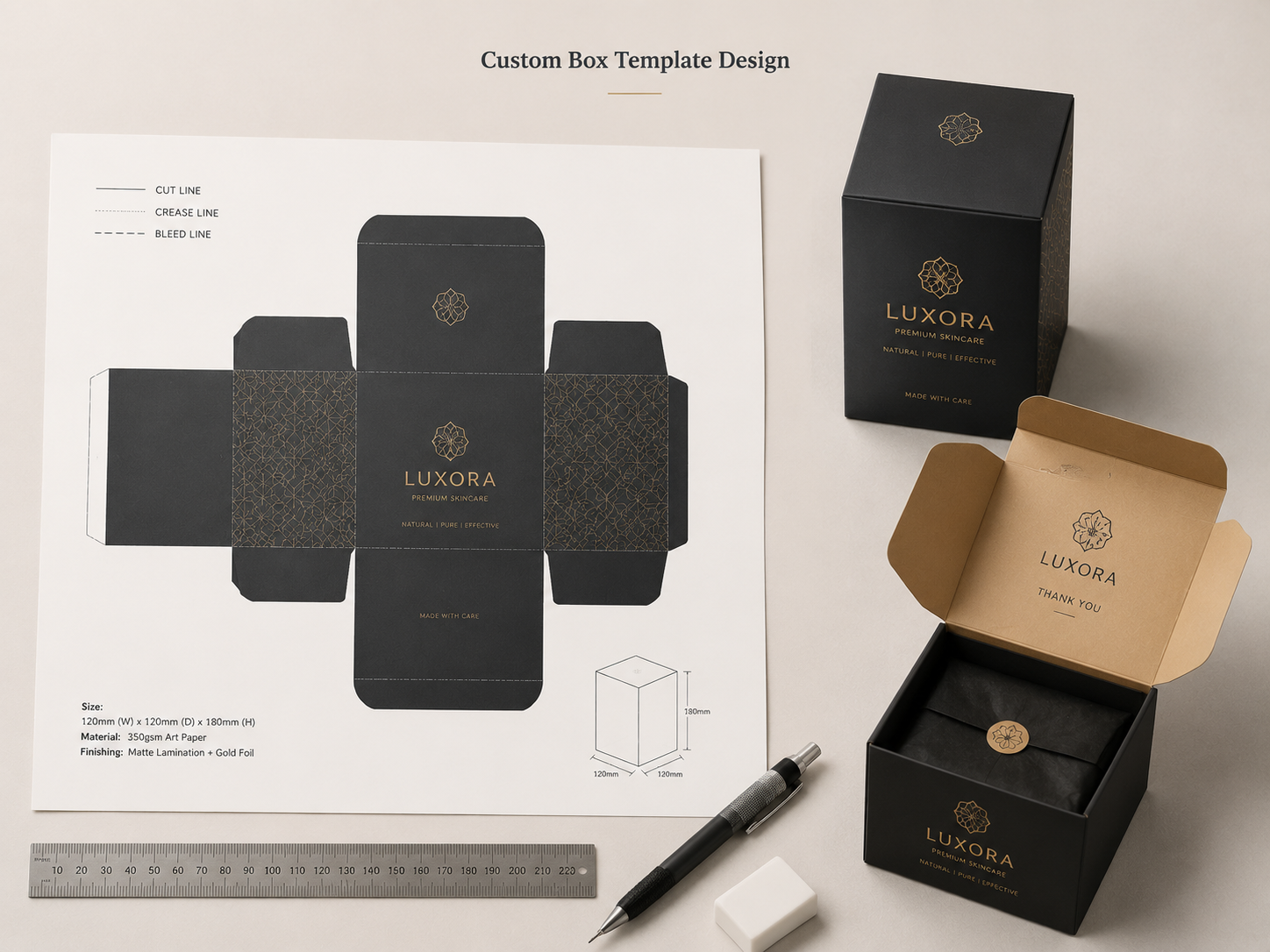
Poor package dimension measurement often leads to wasted material, product damage, and higher shipping costs. Many packaging projects fail not because of design, but because basic measurements were handled incorrectly at the start.
Package dimensions are measured by defining length, width, and height based on the final assembled box, using the internal or external size depending on product protection and logistics needs. Accurate measurement ensures structural strength, stable packing, and predictable costs.
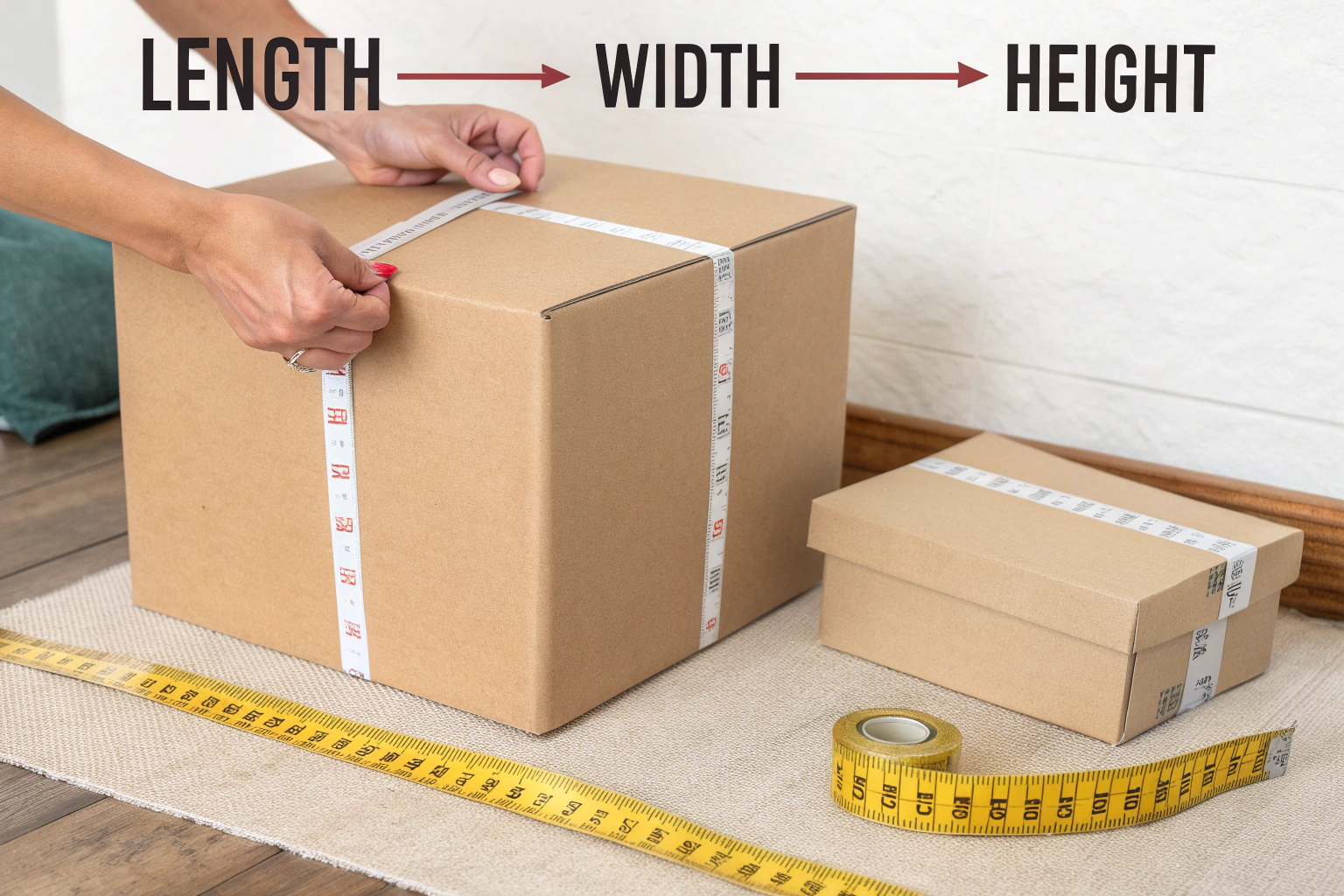
Correct dimension measurement is the foundation of every successful packaging project. Once this step is clear, material selection, structure design, tooling, and production can move forward without risk. The following sections explain the process in a practical and manufacturing-focused way.
What Are the Standard Package Dimensions?
Unclear dimension definitions are one of the most common causes of sampling errors. Boxes may look correct on drawings but fail during assembly or loading. This usually happens when standards are not followed.
Standard package dimensions are defined as Length × Width × Height, measured after the box is fully formed and squared. These dimensions must be consistent across drawings, samples, and mass production.
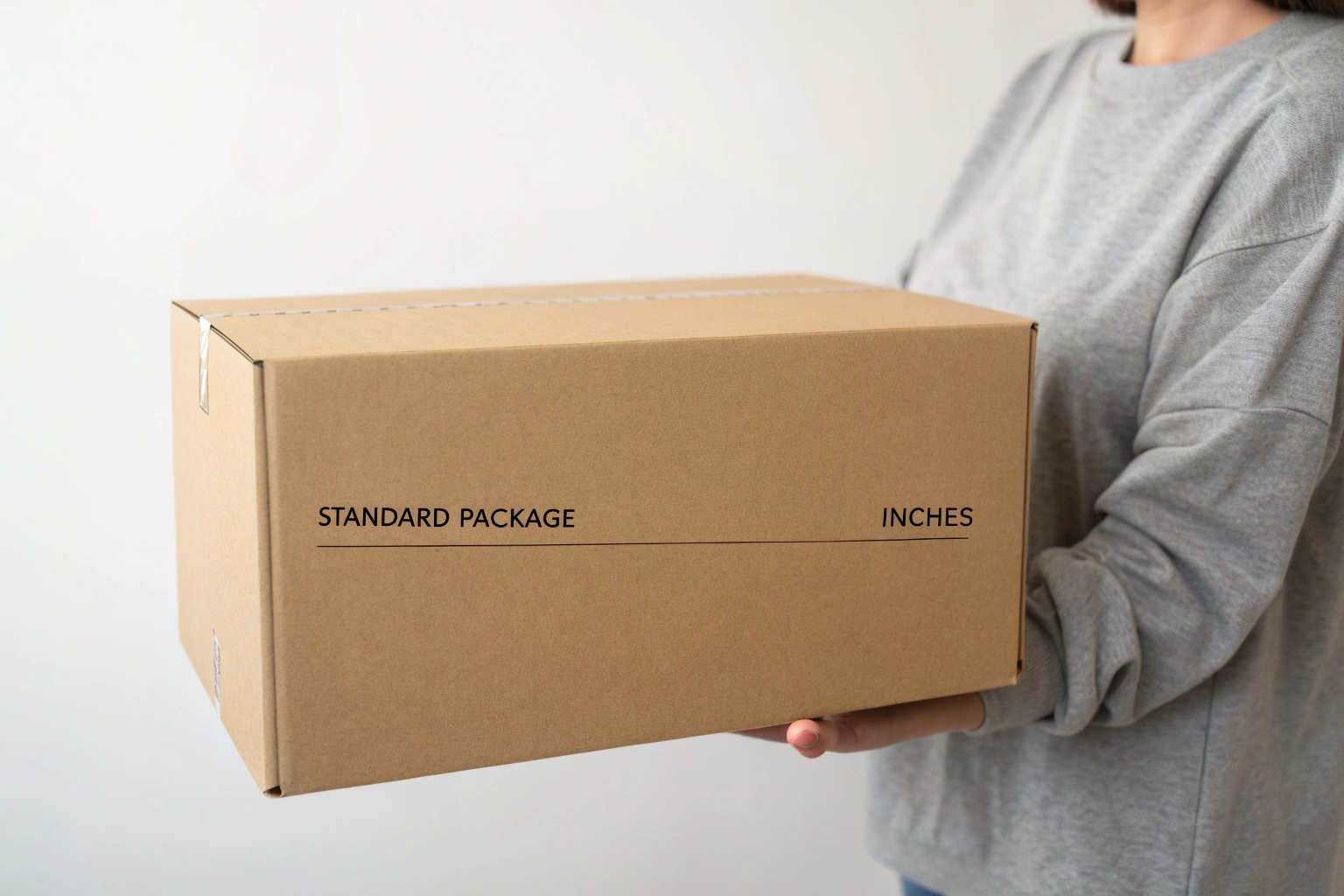
In manufacturing practice, length is the longest side of the box opening. Width is the shorter side of the same opening. Height is measured from the base to the top when the box is standing normally. This definition stays the same across folding cartons, rigid boxes, and corrugated cartons.
During structural design, engineers always confirm whether dimensions refer to internal or external size. Internal size affects product fit and protection. External size affects pallet loading, container planning, and shipping cost. Mixing these two causes serious production errors.
In the factory, dimension standards are verified at three stages. First, during CAD structure design. Second, during white sample testing. Third, during mass production spot checks. This process ensures that what is drawn, sampled, and produced remains consistent.
Should Package Dimensions Be Measured Internally or Externally?
Many packaging issues begin with this single misunderstanding. Products may not fit, or cartons may exceed shipping limits. This problem is avoidable with a clear rule.
Internal dimensions are used when product fit and protection matter most, while external dimensions are used for logistics, storage, and shipping calculations. Both must be clearly defined before production.
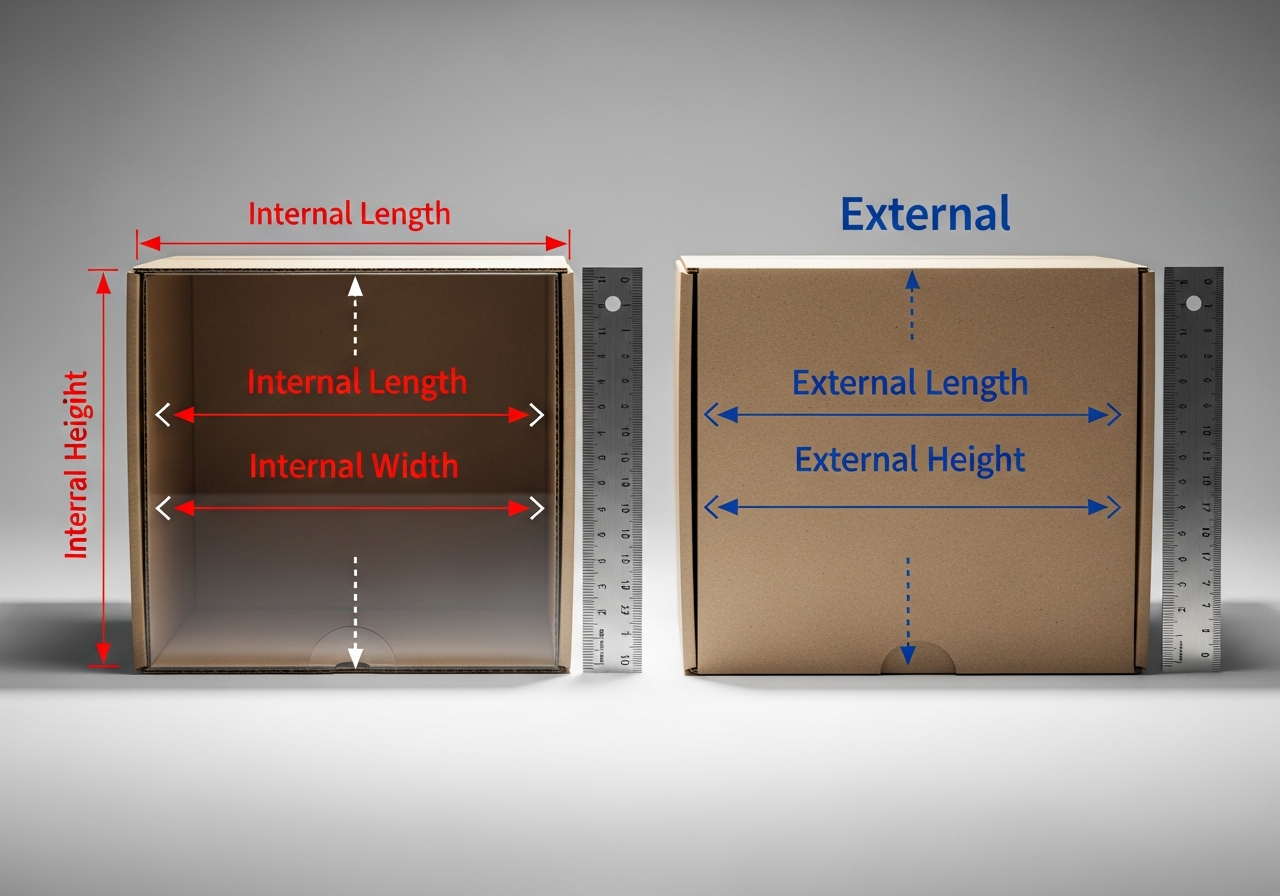
Internal dimensions measure the usable space inside the box after assembly. These are critical for electronics, cosmetics, and gift products where movement must be controlled. Cushioning materials, inserts, and paper thickness must be considered. Ignoring material thickness leads to tight fits or deformation.
External dimensions measure the outer size of the finished box. These are used for carton packing, pallet stacking, and container loading. Freight cost is often calculated based on external volume. Even small deviations can increase shipping cost significantly.
In manufacturing, both dimensions are calculated during the structural phase. Engineers start with the product size, add clearance, then add material thickness to calculate the final external size. This approach avoids surprises during packing and shipping.
How Does Box Structure Affect Dimension Measurement?
Boxes with complex structures often fail when measured like simple cartons. Magnetic closures, double walls, and folding edges change the final size after assembly.
Box structure affects dimensions by adding folds, overlaps, and reinforced areas that must be included in final measurements. Measuring flat layouts alone is not enough.
In rigid box production, greyboard thickness and wrap allowance change both internal and external sizes. Hinged lids require gap control to allow smooth opening. Folding cartons require consideration of score lines and paper memory. Corrugated cartons need flute direction planning to prevent bulging.
In the factory workshop, structural engineers test these factors using white samples. Boxes are assembled manually to check squareness and tolerance. Measurements are taken after full forming, not while flat. Any deviation is corrected before cutting molds are finalized.
Production teams also check dimension stability after compression tests and drop tests. A box that passes visually but deforms under load is considered dimensionally unstable. Structural design and measurement work together to prevent this issue.
What Tools Are Used to Measure Package Dimensions in Production?
Relying on visual judgment leads to inconsistency. Professional packaging production depends on controlled measurement tools and clear inspection methods.
Package dimensions are measured using steel rulers, digital calipers, custom gauges, and sampling fixtures during different production stages. Each tool serves a specific purpose.
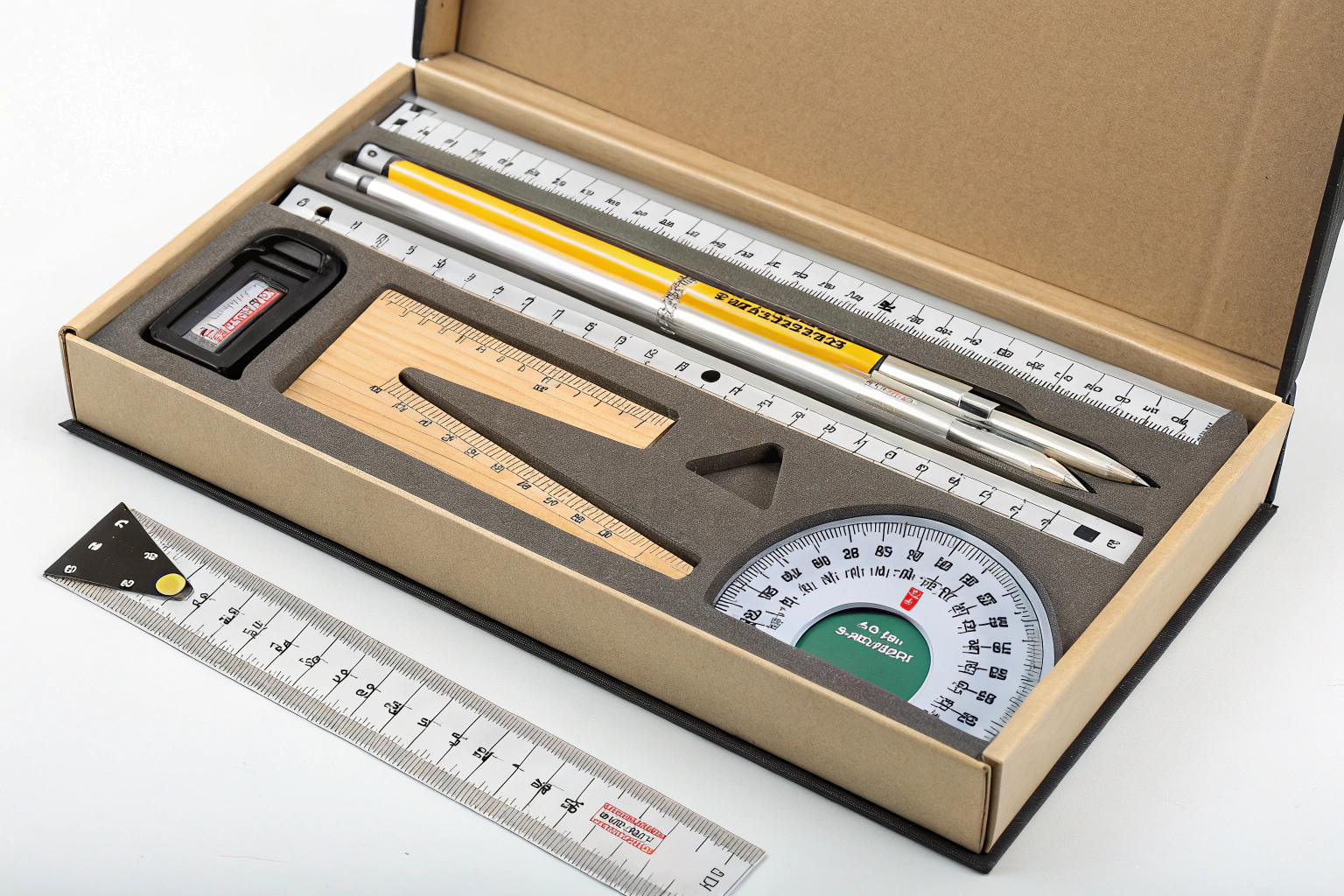
During sampling, digital calipers are used to check material thickness and folded edges. Steel rulers are used for overall length and width. For mass production, custom gauges are often created to quickly verify critical dimensions on the line.
Quality control teams perform first-article inspection at the start of production. Dimensions are recorded and compared with approved samples. During ongoing production, random sampling is done to ensure consistency. Any deviation triggers immediate adjustment.
In the workshop, operators are trained to measure boxes after full assembly. Measurements taken too early often appear correct but change after forming. This discipline is key to stable output and repeat orders.
How Do Manufacturing Processes Influence Final Dimensions?
Even with perfect design, poor process control can change final box size. Temperature, humidity, and machine settings all affect results.
Manufacturing processes influence dimensions through material behavior, machine pressure, and assembly accuracy. These factors must be controlled on the production floor.
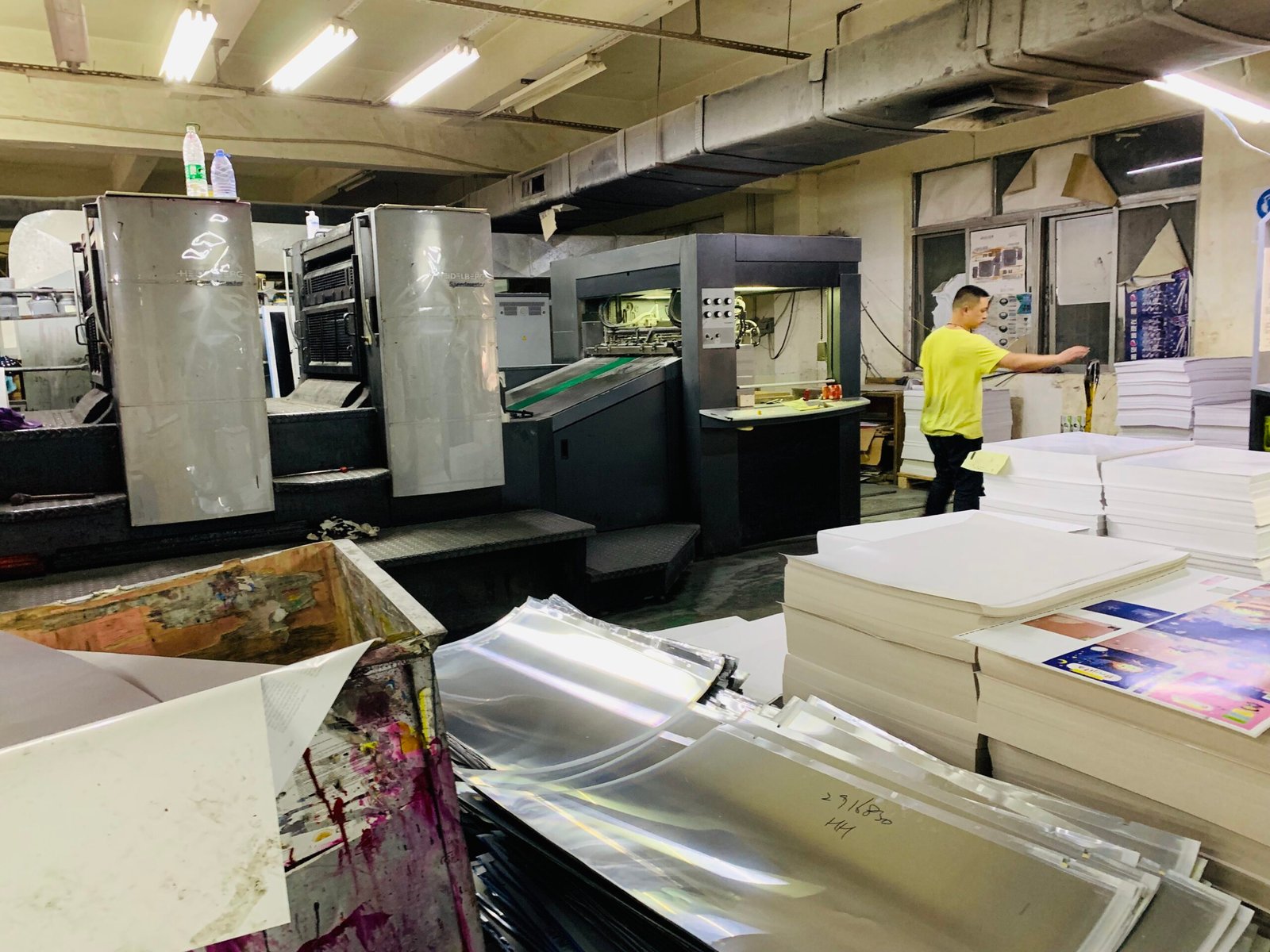
Paper absorbs moisture and expands. Greyboard can warp if stored incorrectly. Printing pressure can stretch paper fibers. Die-cutting tolerance affects fold accuracy. All these elements are managed inside the workshop through standard operating procedures.
Before production, materials are conditioned to stabilize moisture levels. Machines are calibrated daily. Die-cut molds are tested with trial runs. Assembly lines use positioning fixtures to keep boxes square.
These controls ensure that measured dimensions on paper become real dimensions in finished products. Stable processes protect both product quality and delivery schedules.
Why Accurate Dimension Measurement Matters for Long-Term Packaging Performance?
Dimension accuracy is not only about fitting products. It affects cost control, brand image, and supply chain stability.
Accurate package dimension measurement reduces waste, improves protection, stabilizes shipping costs, and ensures consistent brand presentation. It is a long-term value factor.
When dimensions are correct, material usage is optimized. Overdesign is avoided. Product damage during transit is reduced. Packing efficiency improves. Retail display looks clean and professional.
From a manufacturing perspective, accurate dimensions reduce rework, scrap, and delays. Production becomes predictable. Quality control becomes simpler. Long-term cooperation becomes possible because results remain consistent over time.
In packaging manufacturing, dimension measurement is treated as a system, not a single step. Design, sampling, production, and inspection all follow the same logic. This approach ensures that every box delivered performs as expected, from the factory floor to the final consumer.
Conclusion
Accurate package dimension measurement is a critical foundation for reliable packaging manufacturing. Clear size definitions guide structure design, material selection, and tooling accuracy, which helps avoid rework, material waste, and unexpected delays during production. When dimensions are measured, tested, and controlled correctly, samples remain consistent with mass production, assembly becomes more efficient, and packaging performs as expected in protection and handling.
From a long-term manufacturing view, stable dimension control also supports predictable costs, smoother logistics, and consistent product presentation. It allows production teams to work with clear standards, improves quality inspection efficiency, and reduces risks across storage, transport, and final use. Well-controlled dimensions are not just about size accuracy, but about building stable and dependable packaging results over time.