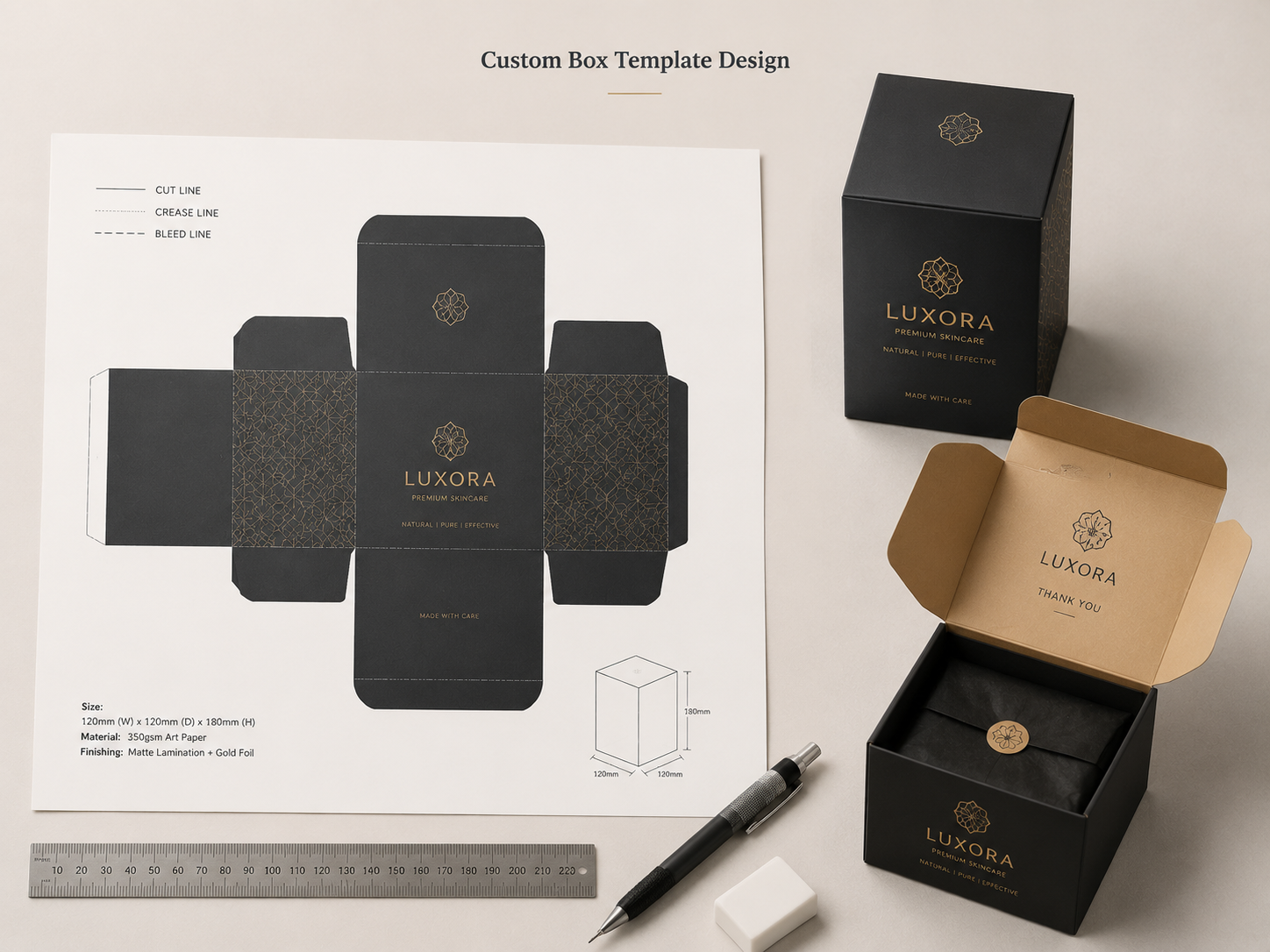
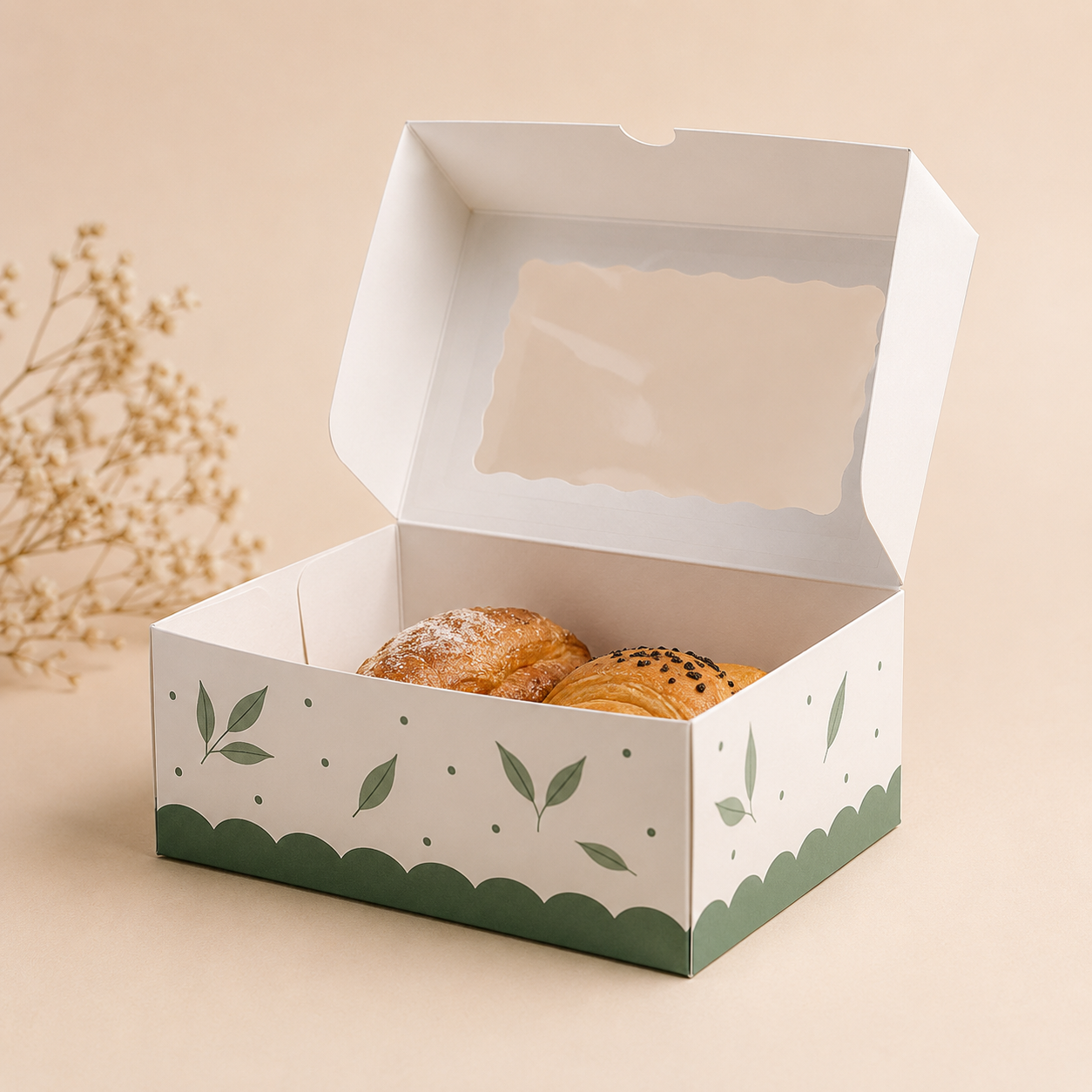
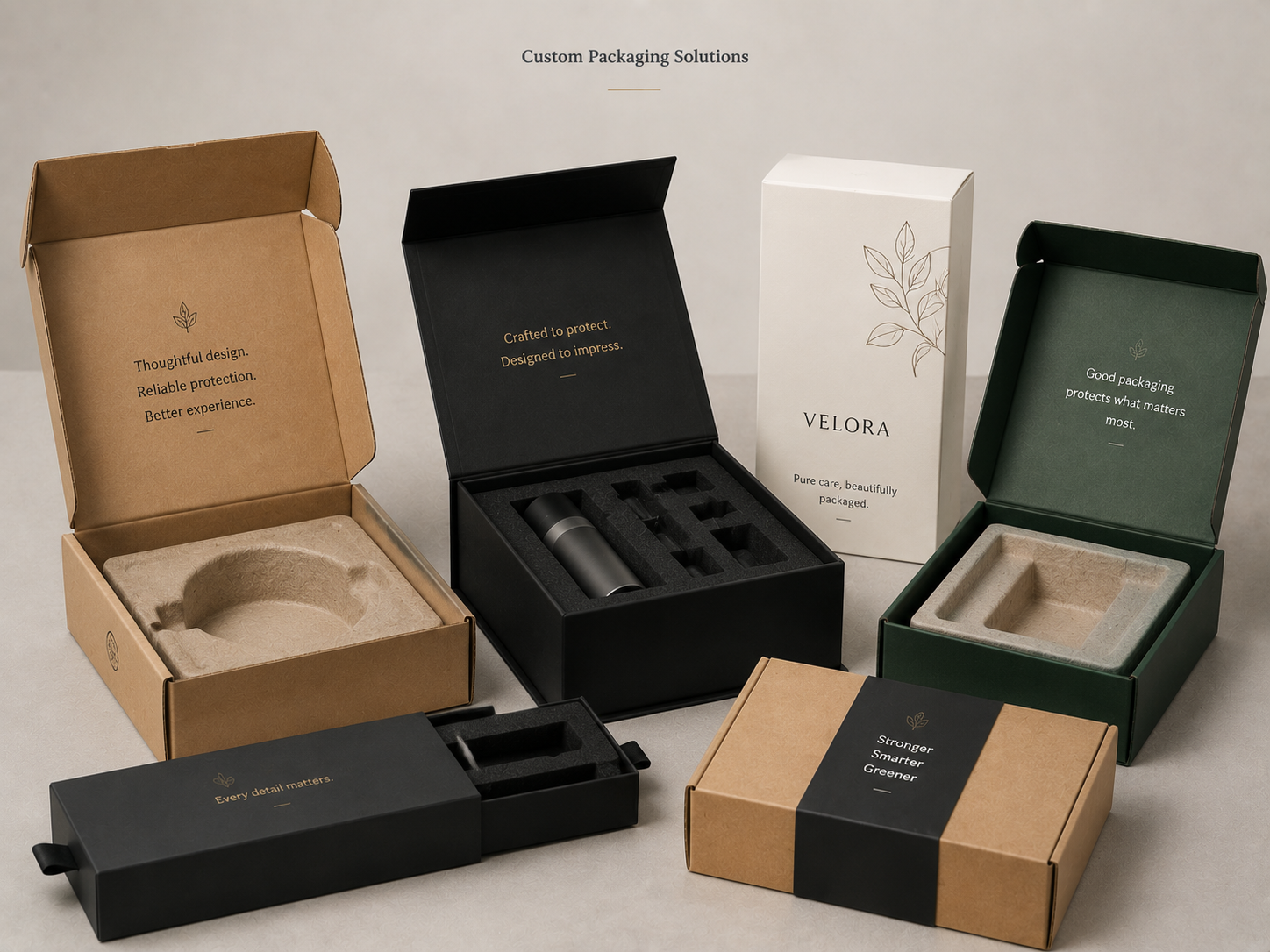
In today’s competitive market, choosing the right packaging material is essential for protecting products, optimizing shipping performance, and creating a positive customer experience. While many people use the terms cardboard and corrugated cardboard interchangeably, they are actually different packaging materials designed for different applications. Understanding these differences is crucial when selecting the most effective packaging solution for your products.
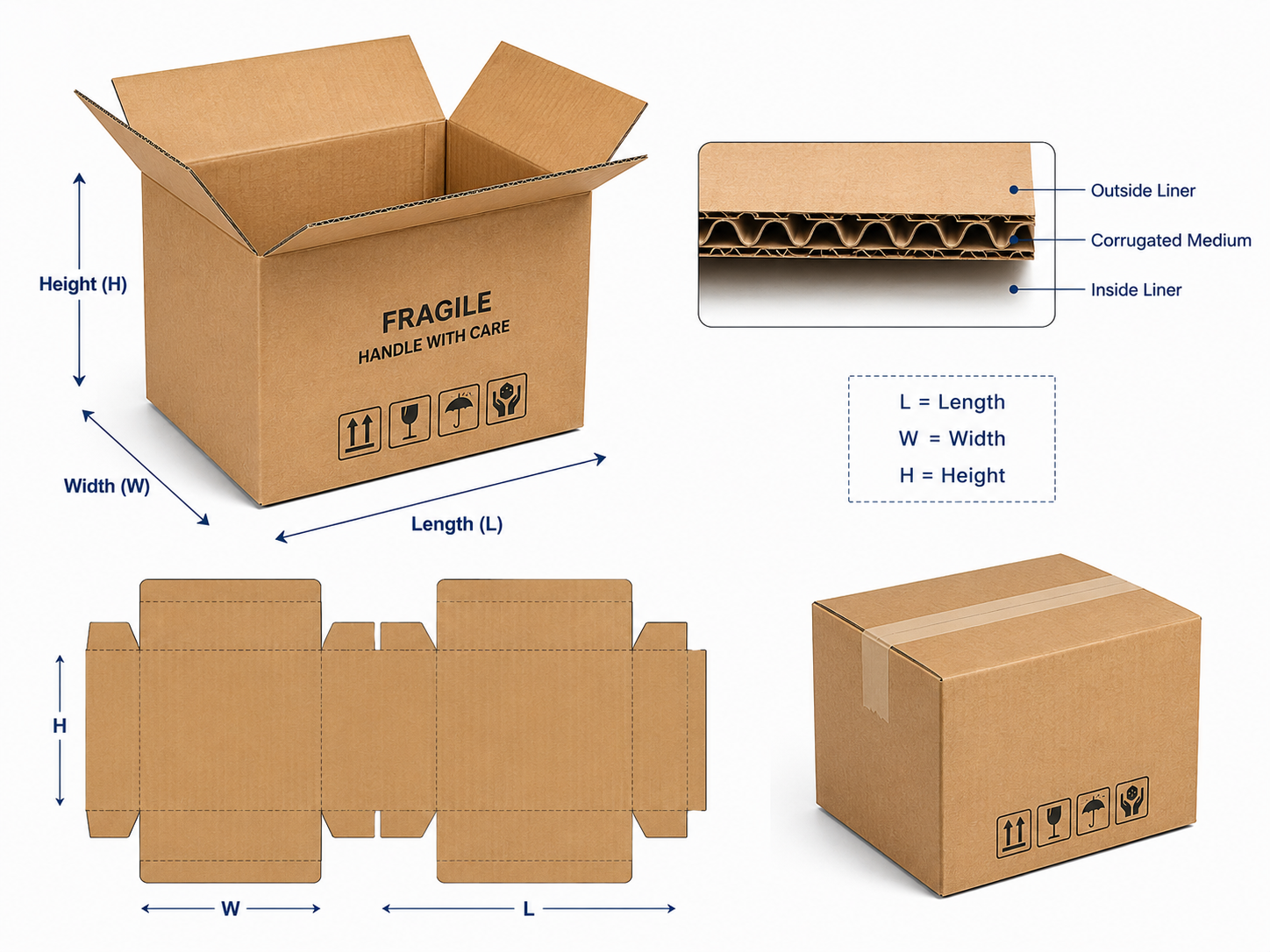
Among the various packaging options available, corrugated boxes have become the preferred choice for shipping, storage, and retail packaging due to their exceptional strength, durability, and cost-effectiveness. From e-commerce businesses and manufacturers to retailers and logistics providers, corrugated packaging plays a vital role in protecting products throughout the supply chain while supporting sustainable packaging initiatives.
In this comprehensive guide, we’ll explore everything you need to know about corrugated boxes, including their structure, types, manufacturing process, quality standards, benefits, and common applications. By understanding how corrugated packaging works and why it is widely used across industries, you’ll be better equipped to choose the right custom packaging solution for your products and business needs.
What Is a Corrugated Box?
A corrugated box is a type of packaging container made from corrugated cardboard, a durable material specifically engineered to provide superior strength, cushioning, and protection during shipping and storage. Thanks to its lightweight structure and high load-bearing capacity, corrugated packaging has become one of the most widely used packaging solutions across industries such as e-commerce, retail, manufacturing, food, and logistics.
Today, corrugated boxes are commonly used for:
- Shipping and transportation
- Product packaging
- E-commerce fulfillment
- Retail display packaging
- Warehouse storage
- Industrial packaging applications
Their ability to protect products from impact, compression, and handling damage makes them an essential component of modern supply chains.
Tip: Corrugated boxes are widely preferred for shipping because they provide an excellent balance of strength, protection, affordability, and sustainability.
What Is Corrugated Cardboard?
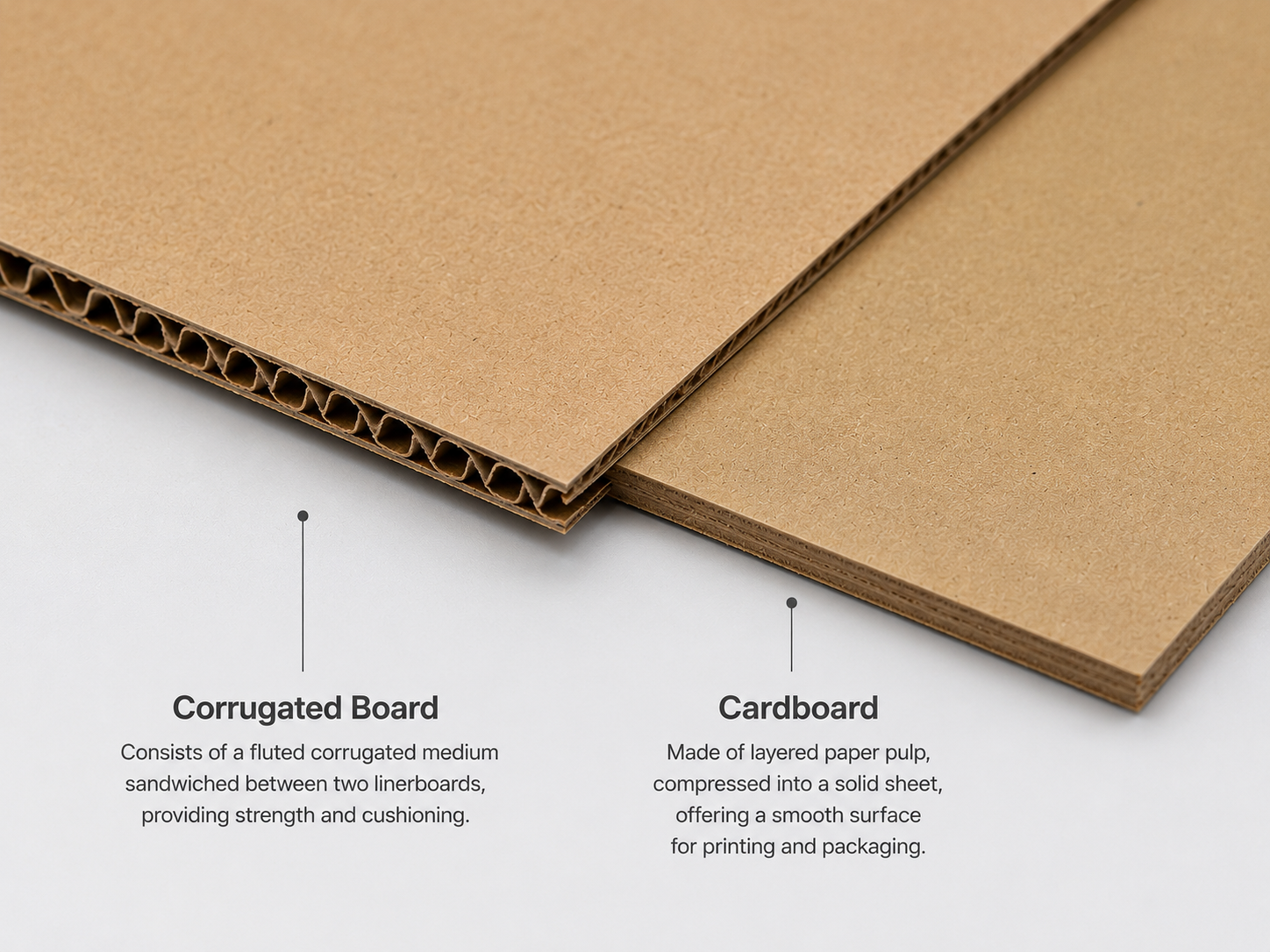
Corrugated cardboard, also known as corrugated fiberboard, is the primary material used to manufacture corrugated boxes. Unlike standard cardboard, corrugated cardboard features a multi-layer construction that significantly increases its strength and durability.
A typical corrugated board consists of three layers:
- Outer Linerboard – Provides structural support and printability.
- Fluted Medium – The wavy inner layer that absorbs shock and adds strength.
- Inner Linerboard – Reinforces the structure and protects the product.
This unique design creates a lightweight yet highly durable packaging material capable of withstanding the challenges of shipping and handling.
Common products packaged with corrugated cardboard include:
- Electronics
- Food and beverage products
- Consumer goods
- Industrial equipment
- E-commerce shipments
- Pizza boxes and takeaway packaging
Why Corrugated Packaging Is So Effective
The fluted layer inside corrugated cardboard acts as a built-in cushioning system, helping absorb impacts and distribute pressure evenly throughout the package. This design improves:
- Product protection
- Compression strength
- Stacking performance
- Shipping durability
- Moisture resistance (with specialized coatings)
For products requiring additional protection, manufacturers can add extra layers to create stronger corrugated board structures, such as double-wall or triple-wall corrugated packaging. These advanced configurations are commonly used for heavy-duty shipping, industrial packaging, and export applications.
As a result, corrugated packaging remains one of the most reliable, cost-effective, and sustainable packaging solutions available for businesses worldwide.
Cardboard vs. Corrugated Packaging: What’s the Difference?
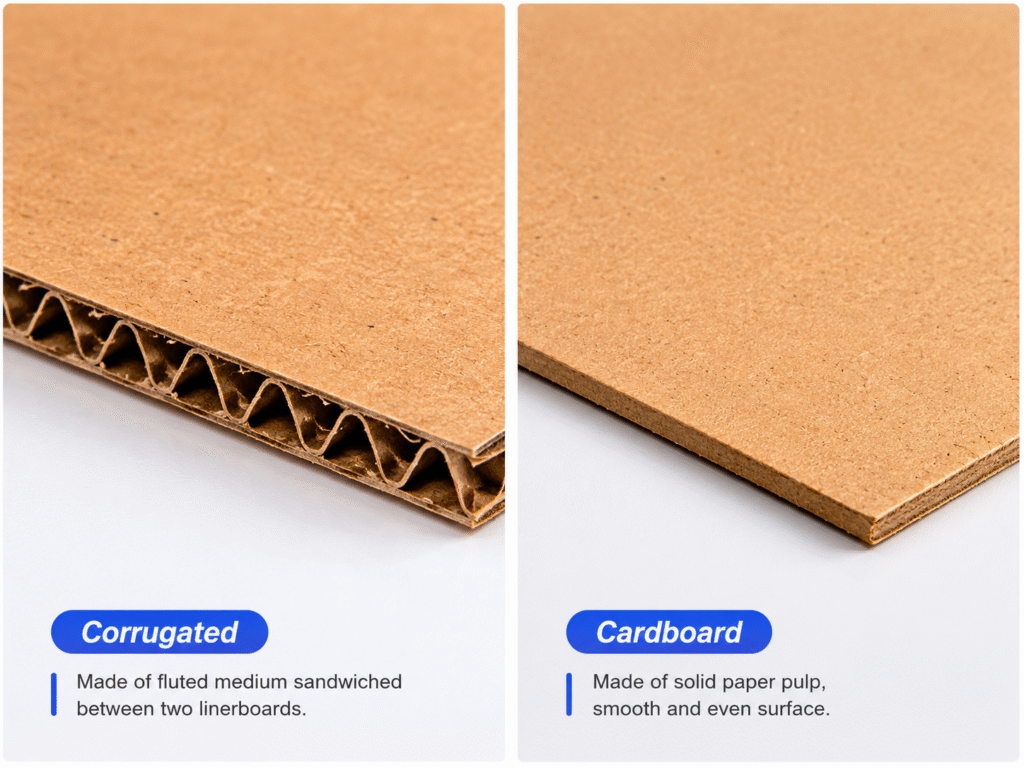
Many people use the terms cardboard and corrugated cardboard interchangeably, but they are actually two different packaging materials designed for different purposes. Understanding the distinction is essential when choosing the right packaging solution for your product, especially if protection, durability, and shipping performance are important considerations.
While both materials are paper-based and widely used throughout the packaging industry, their construction, strength, and applications vary significantly.
What Is Cardboard?
Cardboard is typically made from a single layer of thick paper stock or paper pulp. It is lightweight, easy to print on, and commonly used for retail packaging, folding cartons, and lightweight consumer products.
Common applications for cardboard include:
- Cosmetic packaging
- Food packaging
- Pharmaceutical cartons
- Product sleeves
- Retail display boxes
Although cardboard offers a clean appearance and cost-effective packaging solution, it provides limited protection against impact, compression, and rough handling during transportation.
What Is Corrugated Cardboard?
Corrugated cardboard, also known as corrugated fiberboard, is engineered with multiple layers to provide enhanced strength and durability.
A standard corrugated board consists of:
- An outer linerboard
- A fluted (wavy) medium layer
- An inner linerboard
This layered structure creates air pockets that act as a natural cushioning system, helping absorb shocks and protect products throughout the shipping process.
Because of its superior strength, corrugated packaging is widely used for:
- Shipping boxes
- E-commerce packaging
- Industrial packaging
- Warehouse storage
- Export packaging
- Heavy-duty transportation
Tip: If your products require shipping, stacking, or long-distance transportation, corrugated packaging is usually the better choice due to its superior protection and structural strength.
Cardboard vs. Corrugated Packaging Comparison
| Feature | Cardboard | Corrugated Packaging |
|---|---|---|
| Construction | Single-layer paperboard | Multi-layer fiberboard with fluted medium |
| Strength | Lightweight and less durable | Highly durable and impact-resistant |
| Protection Level | Basic product protection | Excellent shipping protection |
| Weight Capacity | Suitable for lightweight products | Suitable for light, medium, and heavy products |
| Shipping Performance | Limited | Excellent |
| Cost | Lower initial cost | Higher protection and long-term value |
| Common Uses | Retail cartons, product packaging | Shipping boxes, e-commerce packaging, industrial packaging |
Which Packaging Material Should You Choose?
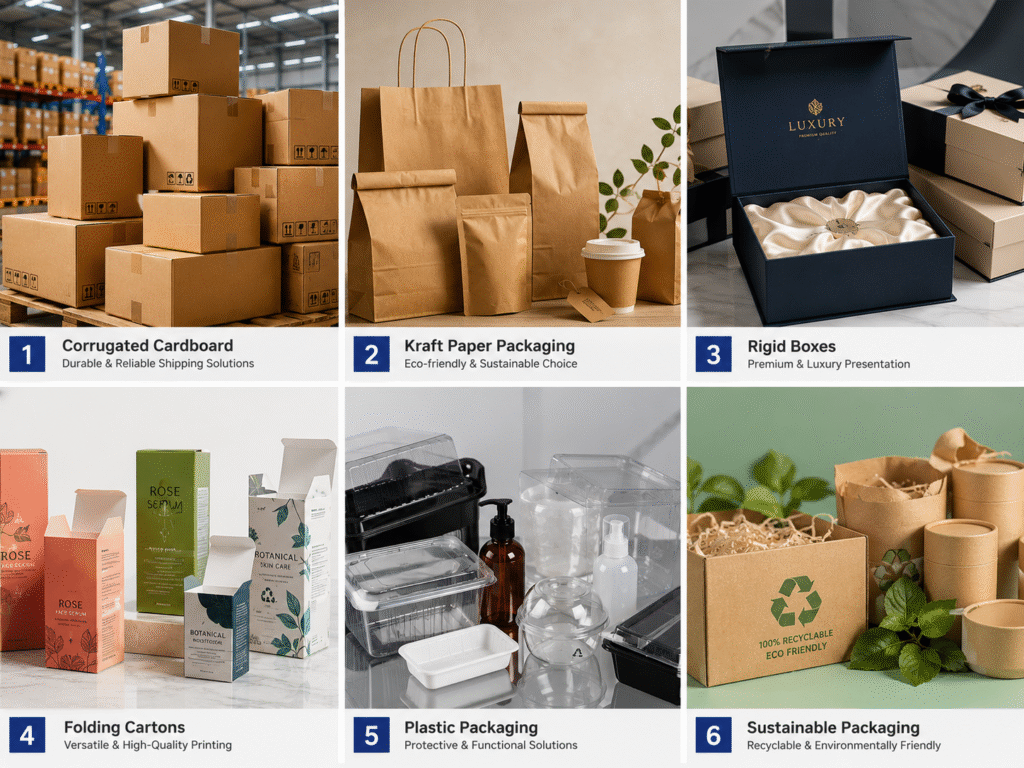
The right choice depends on your product requirements.
Choose cardboard packaging if:
- The product is lightweight.
- Minimal protection is required.
- Retail presentation is the primary focus.
- Cost reduction is a priority.
Choose corrugated packaging if:
- Products require shipping or transportation.
- Extra protection is needed.
- The package must withstand stacking pressure.
- You need a durable custom packaging solution.
For most e-commerce, logistics, and industrial applications, corrugated boxes remain the preferred option because they offer the ideal balance of protection, durability, sustainability, and cost-efficiency. This is why corrugated packaging continues to be one of the most widely used packaging materials worldwide.
Corrugated Liner Materials
Choosing the right corrugated liner material is essential because it directly affects the strength, durability, print quality, and overall performance of your corrugated packaging.
Kraft Paper Liners
Kraft paper is made from 70–80% virgin wood fibers, making it the strongest and most durable liner material available. It offers excellent tear resistance, superior protection, and a high-quality printing surface. Although it is typically more expensive, Kraft paper is widely used for custom corrugated boxes, shipping cartons, and premium packaging applications.
Test Paper Liners
Test paper contains a higher percentage of recycled fibers, making it a more cost-effective option. While it is not as strong as Kraft paper, it provides sufficient durability for many standard packaging applications. Test paper is commonly used as the inner linerboard of corrugated boxes and is a popular choice for businesses looking for sustainable and affordable packaging solutions.
Fluting Medium
The fluted layer is the wavy paper positioned between the linerboards, providing cushioning and structural strength.
There are two common types:
- Semi-Chemical Fluting – Made from virgin fibers, offering excellent compression strength and durability.
- Recycled Fluting – Made from 100% recycled fibers, providing an eco-friendly and cost-effective packaging solution.
Tip: Kraft liners provide maximum strength and protection, while test paper liners offer a more economical option for standard corrugated packaging needs.
Corrugated Flute Types (Flute Grades)
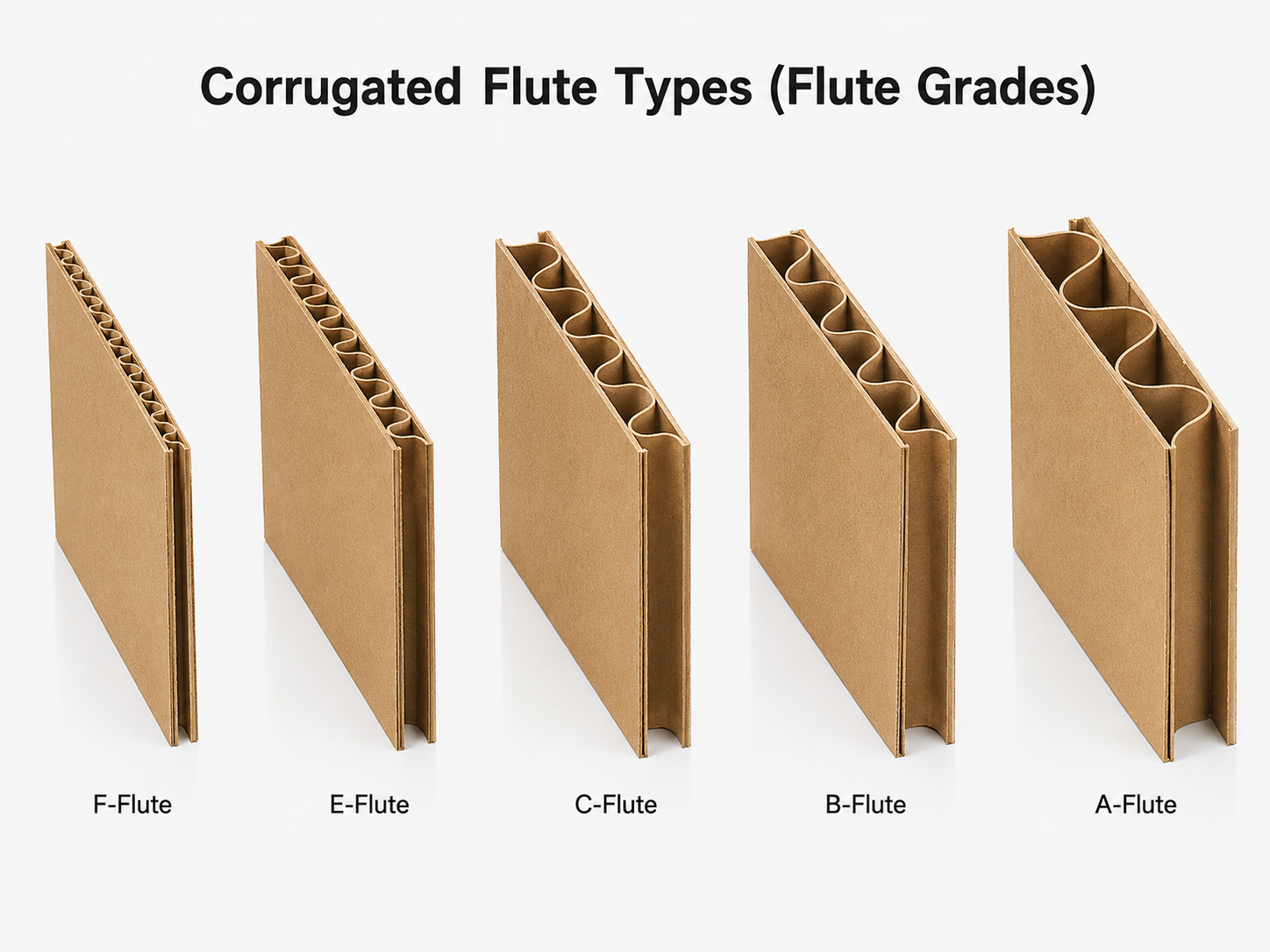
The corrugated flute is the wavy middle layer between the linerboards that gives corrugated boxes their strength, cushioning, and durability. Different flute grades offer varying levels of protection, compression resistance, and printability, allowing manufacturers to select the most suitable corrugated packaging solution for specific products.
A-Flute
With a thickness of approximately 1/4 inch, A-Flute is the largest and one of the most protective flute profiles available. It provides excellent cushioning and stacking strength, making it ideal for fragile and delicate products that require additional protection during shipping and handling.
Common applications include:
- Fragile products
- Glass packaging
- Ceramics
- Export packaging
B-Flute
At approximately 1/8 inch thick, B-Flute offers excellent puncture resistance and crush strength while maintaining a relatively flat surface for printing. Its balanced performance makes it one of the most commonly used flute types for retail and shipping packaging.
Common applications include:
- Retail packaging
- Die-cut boxes
- Food packaging
- Product inserts and dividers
C-Flute
C-Flute, measuring approximately 3/16 inch thick, is considered the most versatile corrugated flute grade. It provides a strong balance between cushioning, stacking strength, and print quality, making it a popular choice for standard shipping boxes and product packaging.
Common applications include:
- Shipping cartons
- E-commerce packaging
- Furniture packaging
- Dairy and beverage packaging
E-Flute
With a thickness of approximately 1/16 inch, E-Flute is much thinner than traditional shipping-grade flutes. Its smooth surface allows for high-quality graphics and printing, making it an excellent alternative to folding cartons for premium retail packaging.
Common applications include:
- Cosmetic packaging
- Electronics packaging
- Gift boxes
- Small fragile products
F-Flute
At just 1/32 inch thick, F-Flute offers similar protective qualities to E-Flute while providing an even smoother surface for premium printing and finishing. It is commonly used for high-end retail packaging and specialty packaging applications.
Common applications include:
- Luxury packaging
- Specialty retail boxes
- Food packaging
- Premium consumer products
Tip: C-Flute is the most widely used corrugated flute type because it provides an excellent balance of strength, cushioning, durability, and cost-effectiveness for a wide range of packaging applications.
Types of Corrugated Board
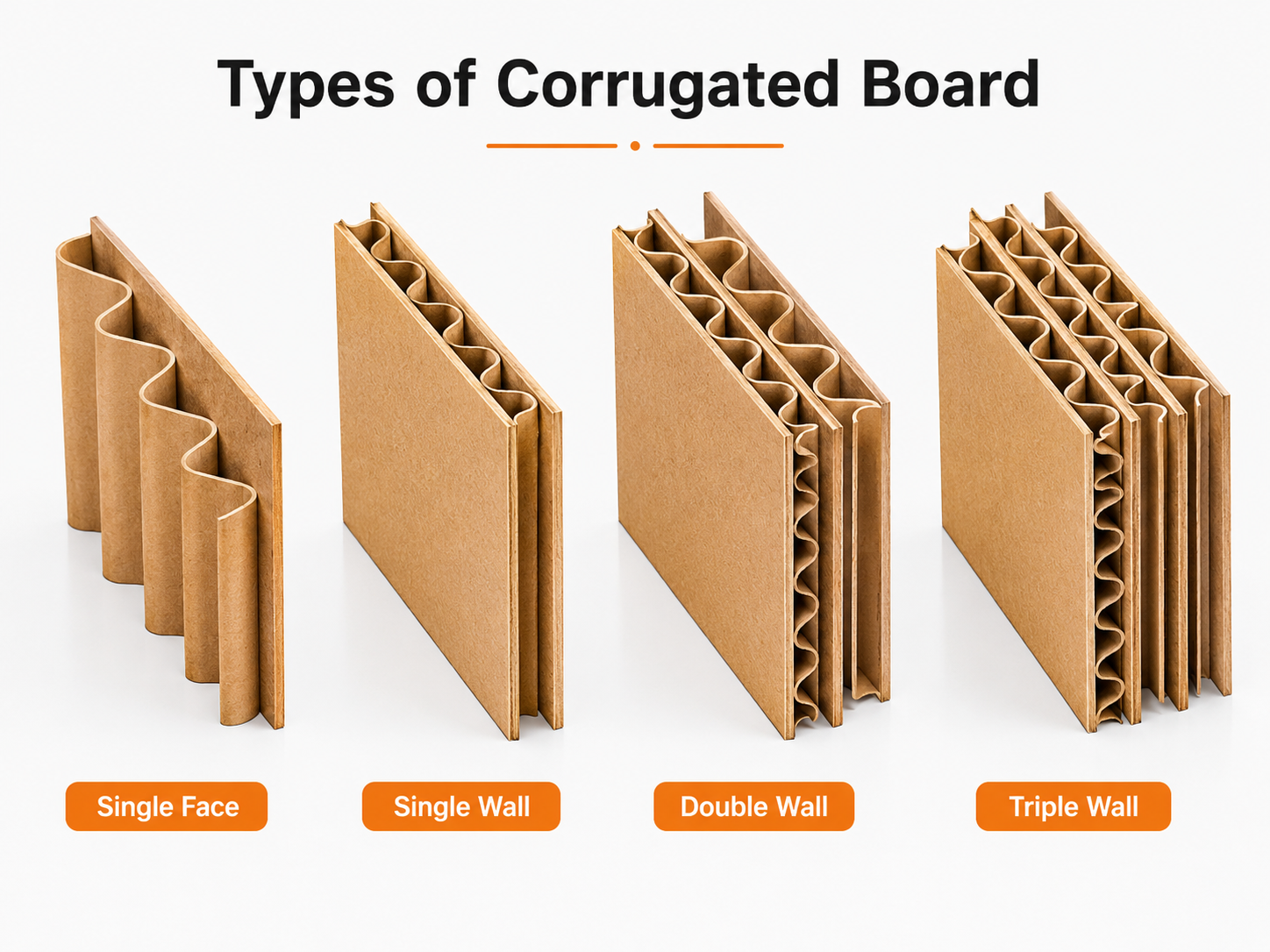
After understanding corrugated liners and flute grades, the next step is learning about the different types of corrugated board constructions. By combining linerboards and fluted mediums in various layers, manufacturers can create packaging materials with different levels of strength, thickness, and protective performance.
The structure you choose will directly affect the durability, cushioning, and load-bearing capacity of your corrugated packaging.
Linerboard
Linerboard is the flat outer layer of corrugated material that forms the surface of the box. It provides structural support, protects the fluted medium, and serves as the printable surface for branding and product information.
Single Face Corrugated
Single Face Corrugated consists of one linerboard attached to a single fluted layer, leaving the flute exposed on one side. It is lightweight, flexible, and often used as protective wrapping material rather than a standalone box.
Common applications include:
- Product wrapping
- Protective cushioning
- Interior packaging protection
Single Wall Corrugated
Single Wall Corrugated is the most commonly used corrugated board type. It consists of two linerboards with one fluted medium sandwiched between them.
This structure offers an excellent balance of:
- Strength
- Durability
- Cost-efficiency
- Product protection
Single wall corrugated is widely used for:
- Shipping boxes
- E-commerce packaging
- Retail packaging
- Standard product cartons
Double Wall Corrugated
Double Wall Corrugated combines three linerboards and two layers of fluting, creating a much stronger packaging structure.
Benefits include:
- Increased stacking strength
- Better impact resistance
- Enhanced protection for heavier products
It is commonly used for:
- Industrial packaging
- Heavy product shipping
- Export cartons
- Bulk packaging applications
Triple Wall Corrugated
Triple Wall Corrugated is the strongest standard corrugated board construction available. It consists of four linerboards and three layers of fluting, providing exceptional durability and load-bearing capacity.
Key advantages include:
- Maximum compression strength
- Superior shipping protection
- Suitable for heavy-duty packaging
- Can support loads approaching 300 lbs
Triple wall corrugated is often used as an alternative to wooden crates for industrial and export shipping applications.
Tip: Single wall corrugated is ideal for most packaging applications, while double wall and triple wall boards provide additional protection for heavier, fragile, or high-value products.
Common Corrugated Box Styles
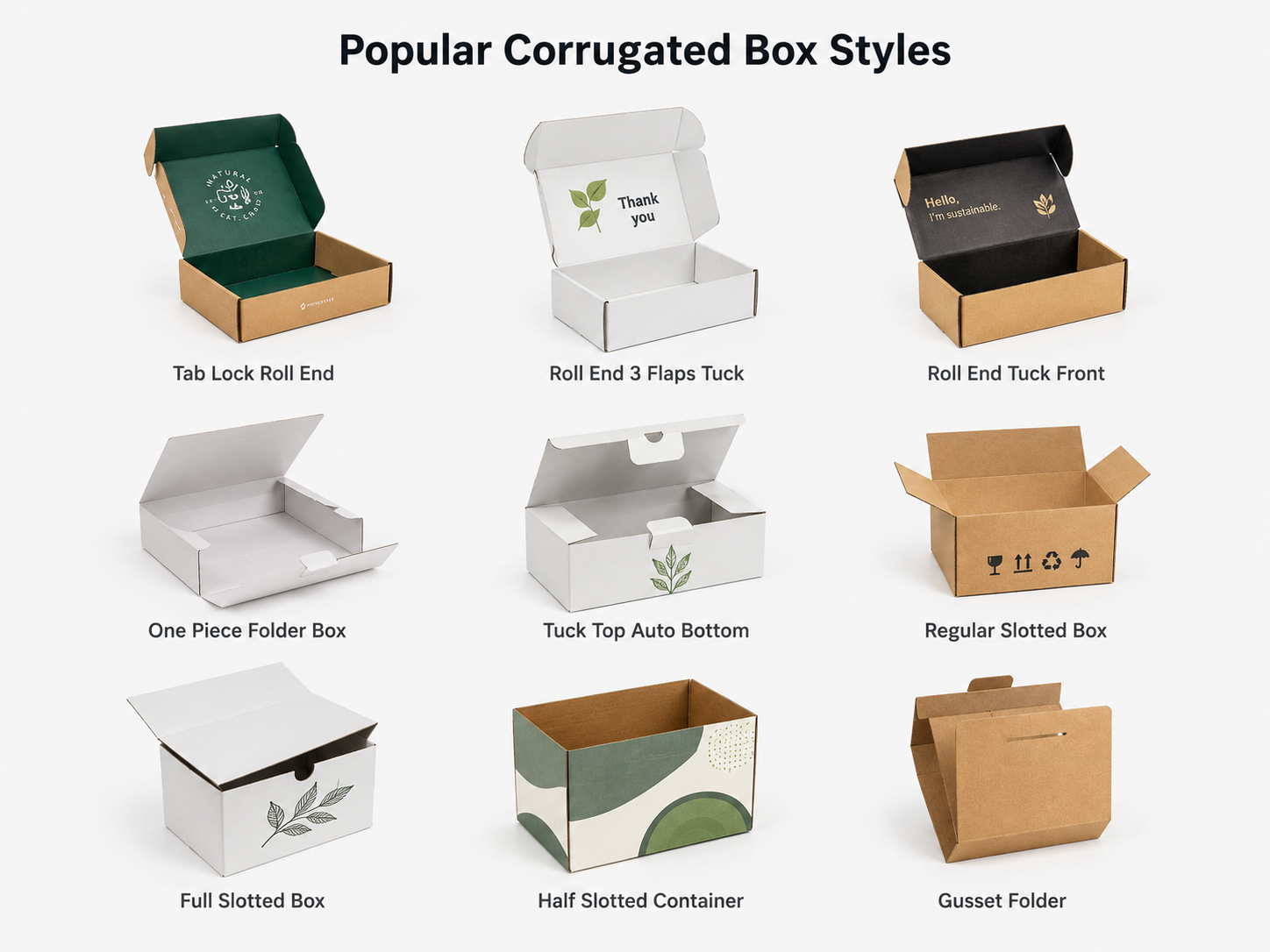
One of the biggest advantages of corrugated packaging is its flexibility. By combining different board constructions, flute grades, inserts, and structural designs, manufacturers can create custom corrugated boxes tailored to virtually any product or shipping requirement.
Some of the most commonly used corrugated box styles include:
- Regular Slotted Container (RSC) – The most widely used shipping box for e-commerce and logistics.
- Full Slotted Container (FSC) – Provides additional protection with fully overlapping flaps.
- Half Slotted Container (HSC) – Open-top design commonly used for storage and display applications.
- Tuck Top Auto Bottom Box – Easy-to-assemble box with enhanced bottom support.
- One Piece Folder Box – Ideal for flat products and lightweight items.
- Roll End Tuck Front Box – Popular for subscription boxes and retail packaging.
- Roll End Three-Flap Tuck Box – Offers additional strength and product security.
- Tab Lock Roll End Box – Designed for quick assembly and improved durability.
- Gusset Folder Box – Commonly used for books, documents, and flat-pack products.
Each box style offers unique advantages depending on product size, weight, protection requirements, and branding goals.
Tip: Selecting the right corrugated box style can improve product protection, reduce shipping costs, and enhance the overall customer experience.
Quality Control Testing for Corrugated Boxes
To ensure that corrugated boxes can withstand shipping, stacking, handling, and storage conditions, manufacturers perform several industry-standard strength tests.
Edge Crush Test (ECT)
The Edge Crush Test (ECT) measures the stacking strength of corrugated board by applying pressure to the edge of the material until it buckles.
Benefits of ECT testing:
- Evaluates box compression strength
- Measures stacking performance
- Helps determine shipping durability
Flat Crush Test (FCT)
The Flat Crush Test measures the resistance of the flute structure when pressure is applied directly to the surface of the board.
This test helps assess:
- Flute durability
- Compression resistance
- Structural integrity
Mullen Burst Test
The Mullen Test, also known as the Burst Test, measures the force required to puncture the corrugated board surface.
This test evaluates:
- Puncture resistance
- Surface durability
- Product protection performance
These quality control tests help ensure that custom corrugated packaging provides reliable protection throughout the supply chain.
Understanding the Box Maker’s Certificate (BMC)
The Box Maker’s Certificate (BMC) is a stamp commonly printed on corrugated shipping boxes. It provides important manufacturing and performance information about the box.
Key information found on a BMC includes:
- Box Manufacturer – Company that produced the box.
- Board Construction – Indicates whether the box is single wall, double wall, or triple wall.
- Minimum Combined Weight Facings – Weight of the linerboard materials used.
- Size Limit – Maximum allowable outside dimensions.
- Gross Weight Limit – Maximum weight the box is designed to carry.
- Manufacturing Location – City and state where the box was produced.
The BMC helps businesses verify that the packaging meets required performance standards.
Benefits of Corrugated Packaging
Corrugated packaging remains one of the most popular packaging solutions worldwide because it offers an excellent combination of protection, sustainability, and customization.
Superior Protection and Durability
The multi-layer structure of corrugated cardboard provides outstanding cushioning and impact resistance, helping protect products during transportation and storage.
Key benefits include:
- Excellent shock absorption
- High stacking strength
- Enhanced product protection
- Reliable shipping performance
Environmentally Friendly Packaging
As sustainability becomes increasingly important, corrugated packaging continues to be a preferred eco-friendly solution.
Advantages include:
- Made from recyclable materials
- High recycled fiber content
- Renewable paper-based resources
- Easy recycling after use
Highly Customizable
Corrugated packaging offers exceptional design flexibility.
Businesses can customize:
- Box dimensions
- Board thickness
- Printing and graphics
- Structural designs
- Inserts and dividers
- Surface finishes
This makes custom corrugated boxes suitable for retail packaging, e-commerce packaging, industrial packaging, and luxury packaging applications.
Tip: Corrugated packaging offers one of the best combinations of product protection, sustainability, customization, and cost-efficiency available in the packaging industry today.
Conclusion
Corrugated boxes remain one of the most versatile and reliable packaging solutions available today. Their exceptional strength, durability, sustainability, and customization capabilities make them ideal for industries ranging from e-commerce and retail to manufacturing and logistics.
Whether you need custom corrugated packaging, shipping cartons, retail packaging, or heavy-duty industrial boxes, choosing the right corrugated board, flute type, and box style can significantly improve product protection and packaging performance.
As a professional custom packaging manufacturer, we provide high-quality corrugated packaging solutions designed to meet your specific product, branding, and shipping requirements. From structural design and custom printing to large-scale production, our team can help you create packaging that protects your products while strengthening your brand image.