Corrugated cardboard is one of the most reliable packaging materials, but correct usage is often underestimated. Packaging failure usually does not come from the material itself, but from incorrect structure selection, poor processing, or lack of production control. Proper use of corrugated cardboard requires technical understanding from design to factory execution.
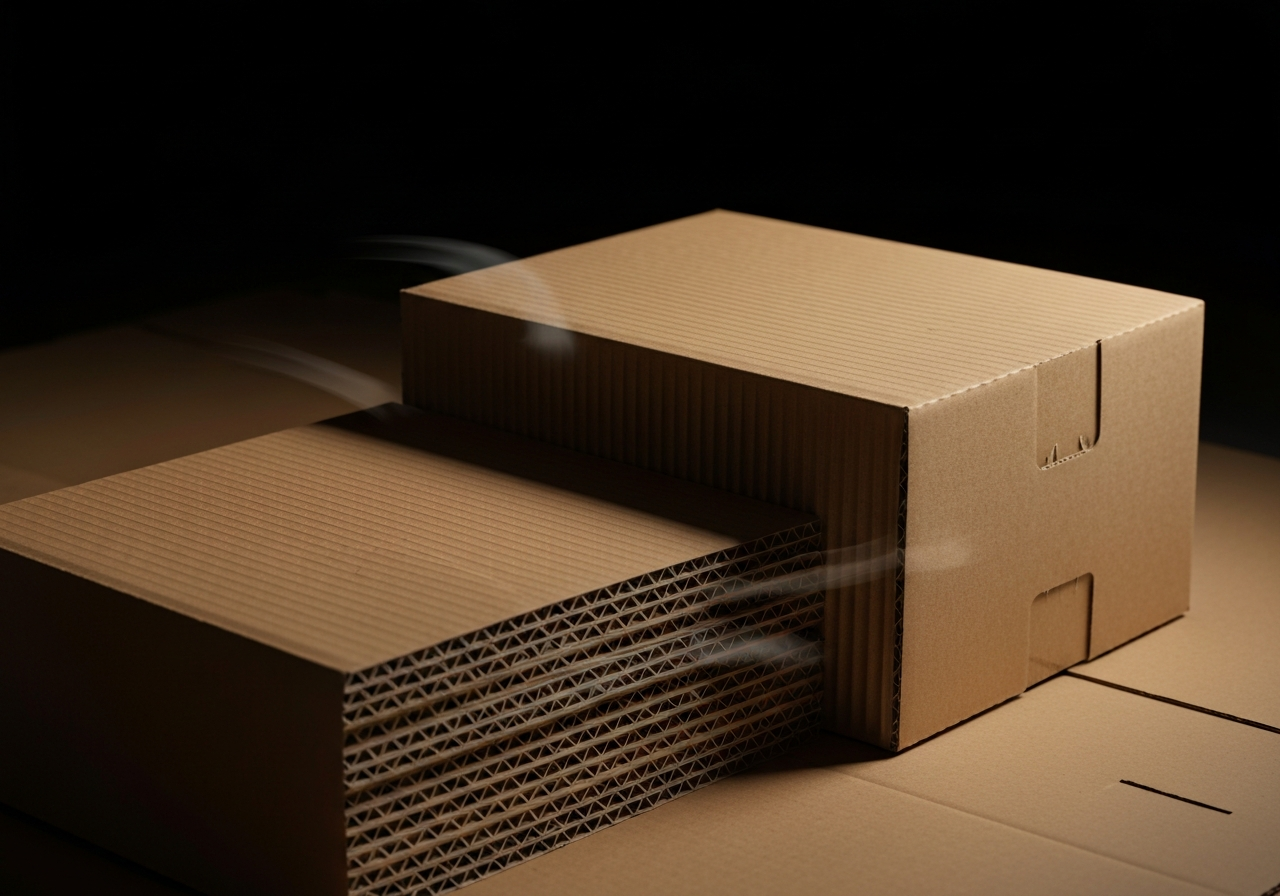
Using corrugated cardboard for packaging means combining the right board structure, carton design, production process, and handling method to achieve stable protection and efficiency.
Corrugated packaging is a system solution, not a single material choice.
Select the Right Corrugated Board Structure
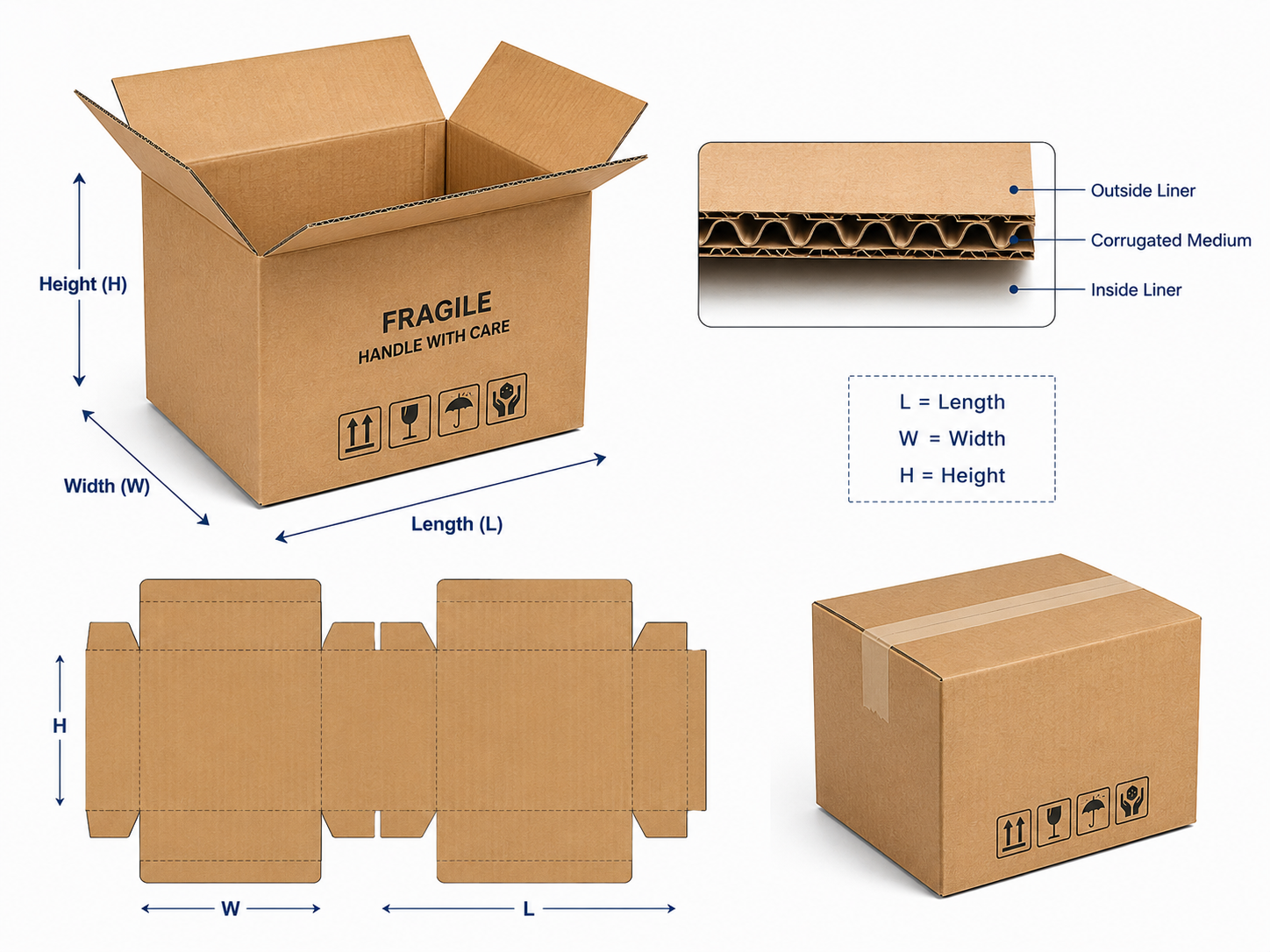
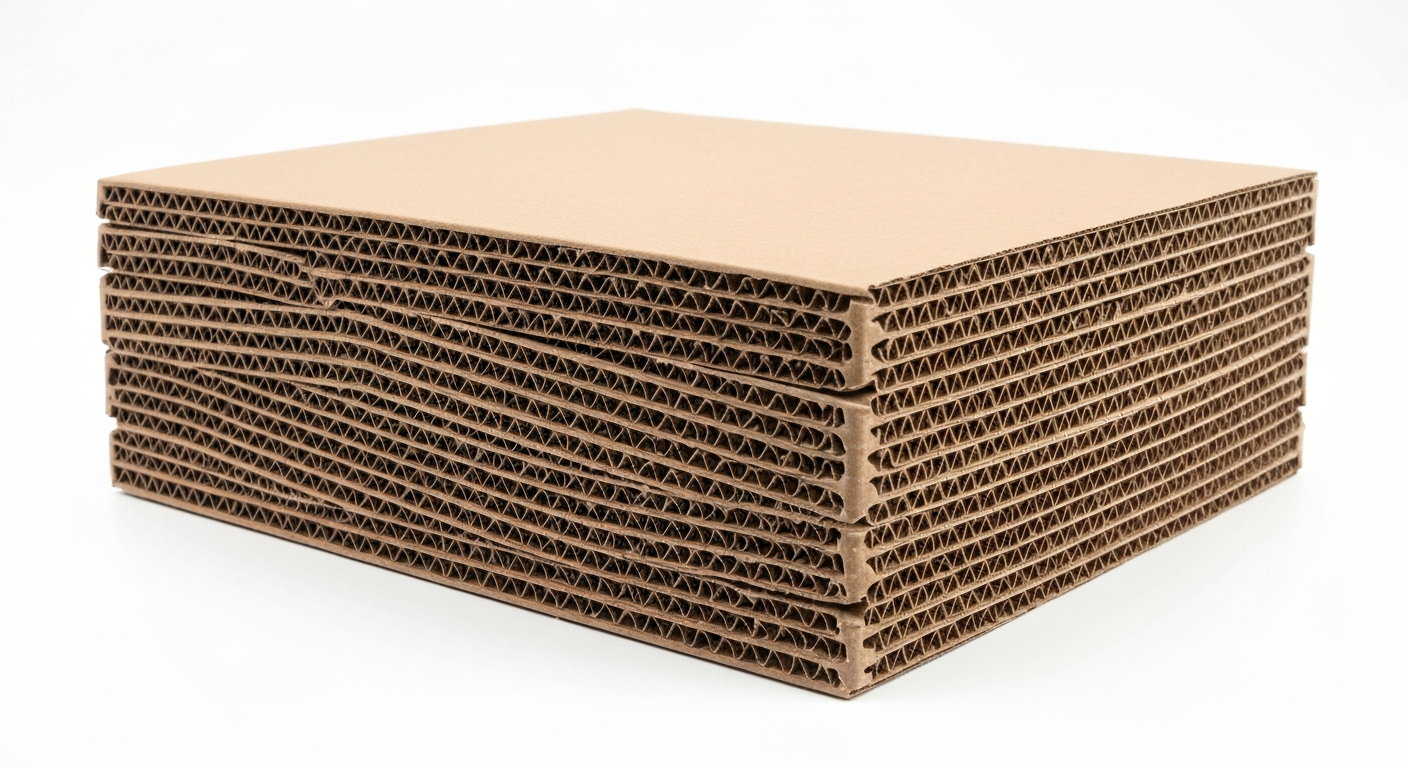
The first step in using corrugated cardboard correctly is selecting the appropriate board structure. Corrugated boards are available in different flute types and wall constructions, each offering different strength and cushioning performance.
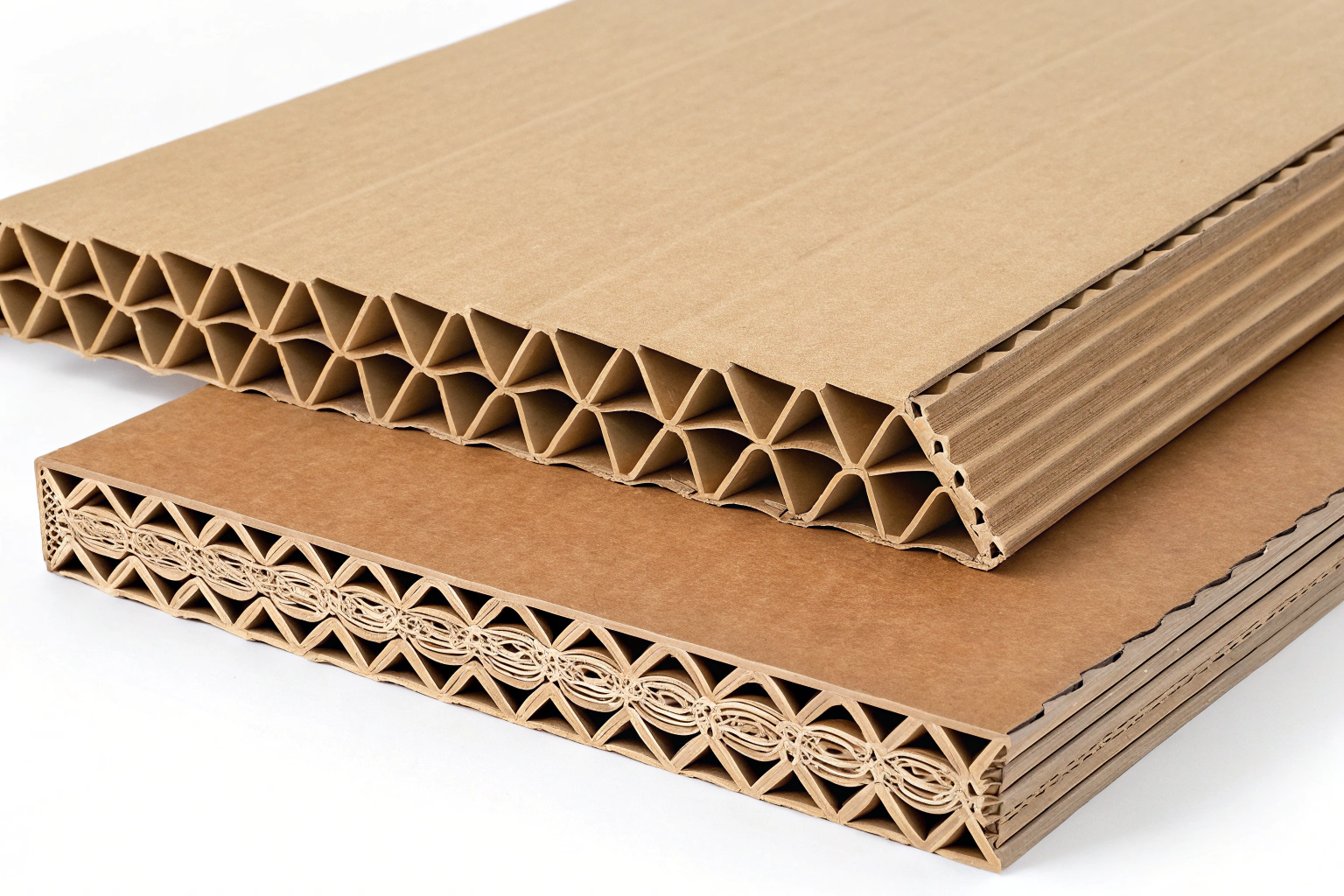
Single-wall boards are suitable for light to medium products, while double-wall and multi-wall boards support heavier loads and long-distance transport. Flute size affects compression strength, shock absorption, and overall thickness.
Board selection must match product weight, stacking height, and transport conditions. Over-light boards fail early, while over-designed boards increase cost without adding real value.
Design the Carton Based on Product and Logistics
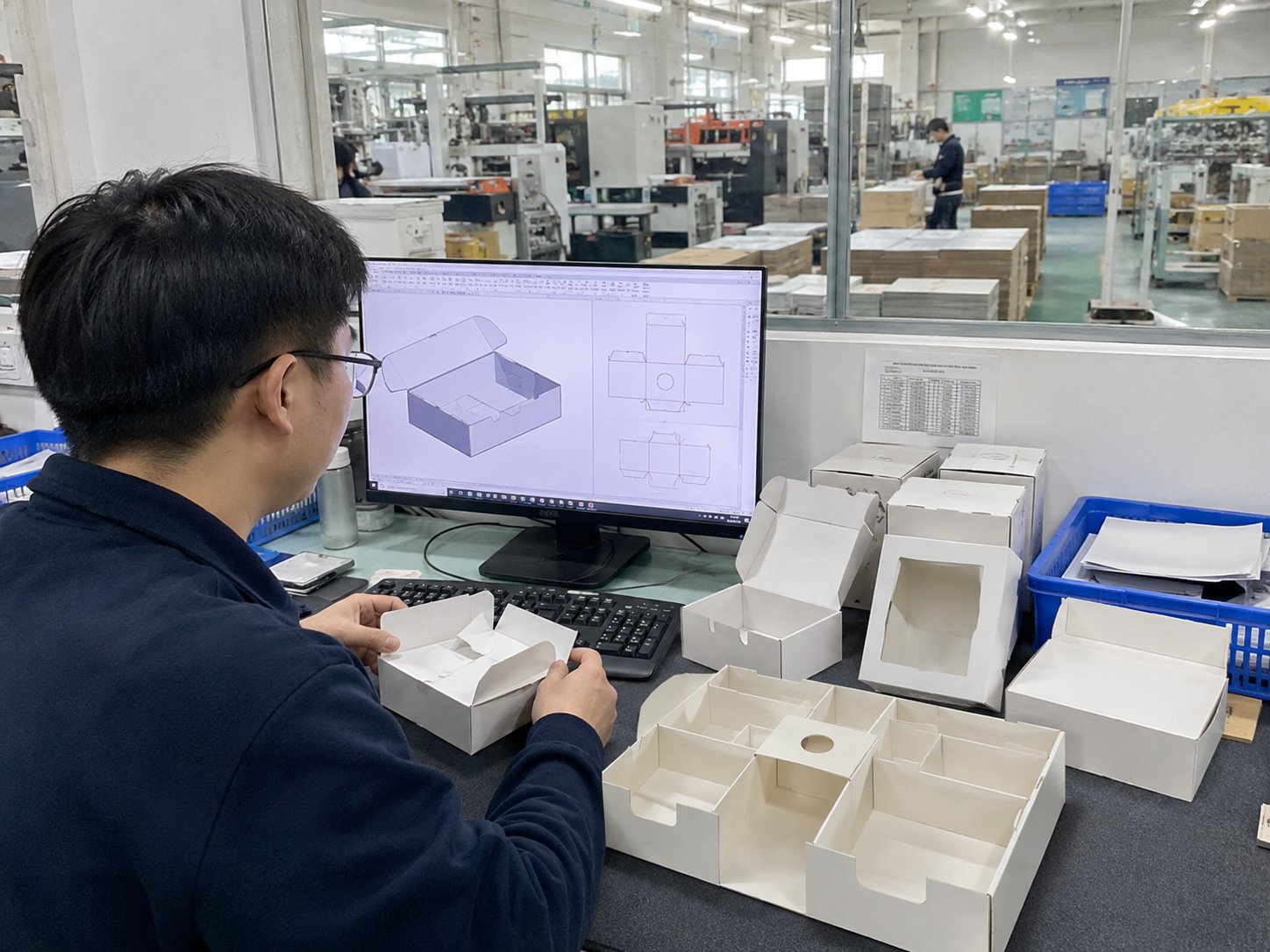
Corrugated cardboard must be converted into a carton structure that supports the product and supply chain. Standard carton types and custom die-cut structures are selected based on handling and protection needs.
Proper carton design reduces empty space, improves stacking stability, and minimizes movement inside the box. Reinforced panels, correct flap design, and appropriate orientation of flutes all improve performance.
Design decisions should consider real logistics conditions such as pallet stacking, warehouse storage, and transport vibration.
Control Corrugated Board Production in the Factory
The performance of corrugated cardboard is strongly influenced during factory production. In the corrugating workshop, paper rolls are heated, fluted, and bonded using water-based adhesives.
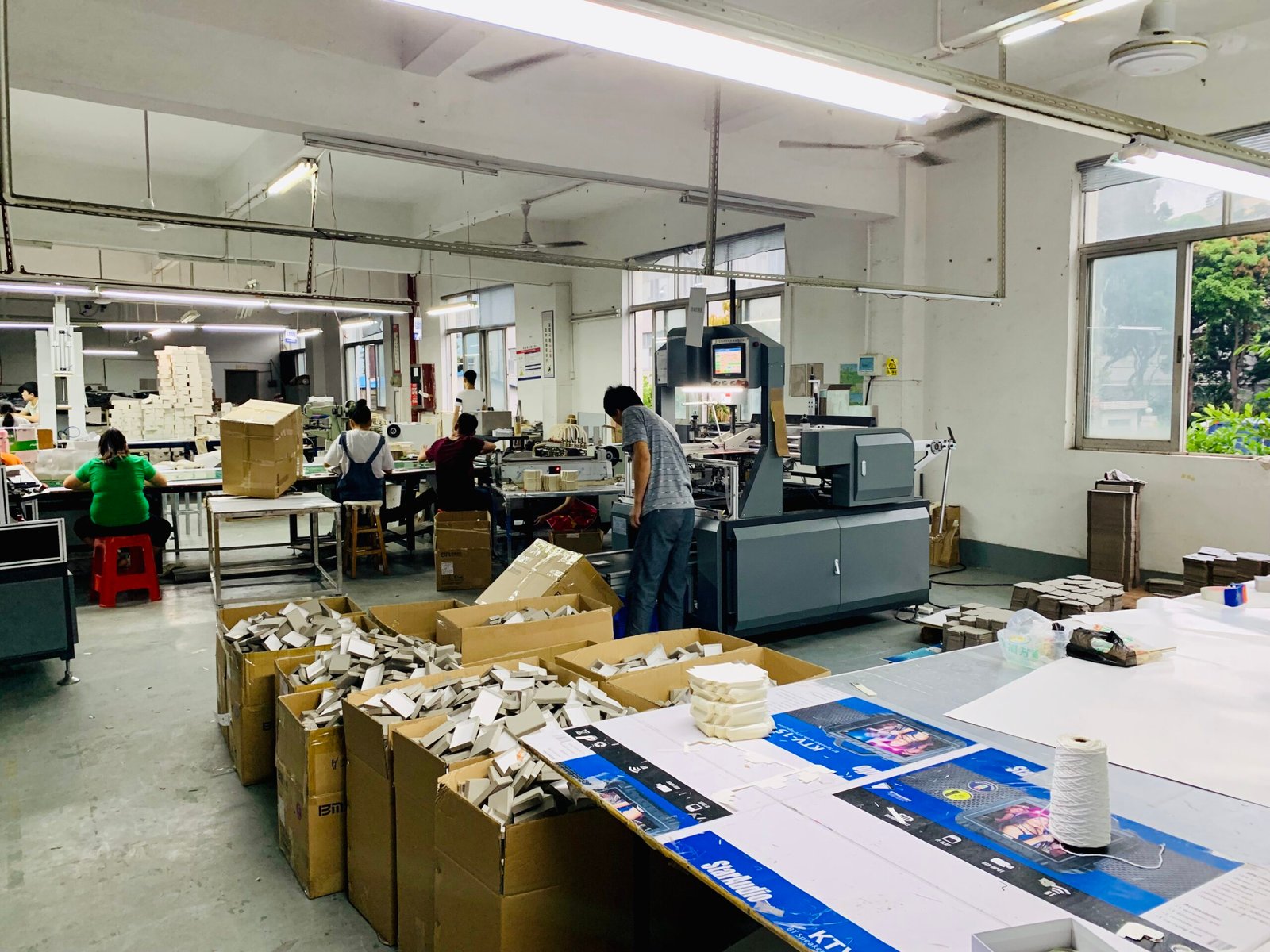
Temperature, humidity, adhesive volume, and drying time are controlled to maintain moisture balance inside the board. Improper control causes warping, weak bonding, or unstable strength.
Stable production ensures that corrugated boards maintain consistent thickness, bonding strength, and compression performance before converting.
Convert Corrugated Cardboard into Finished Cartons
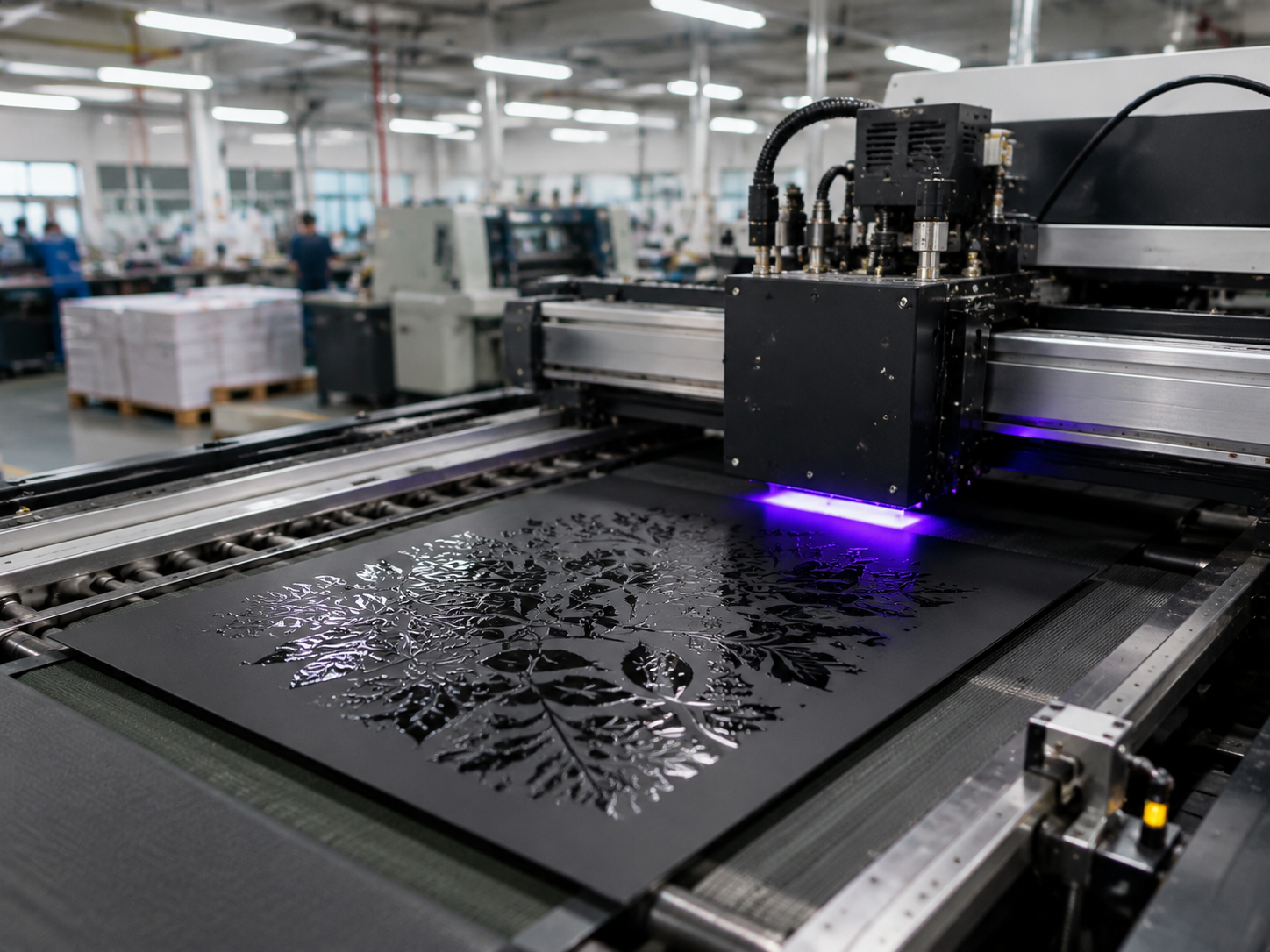
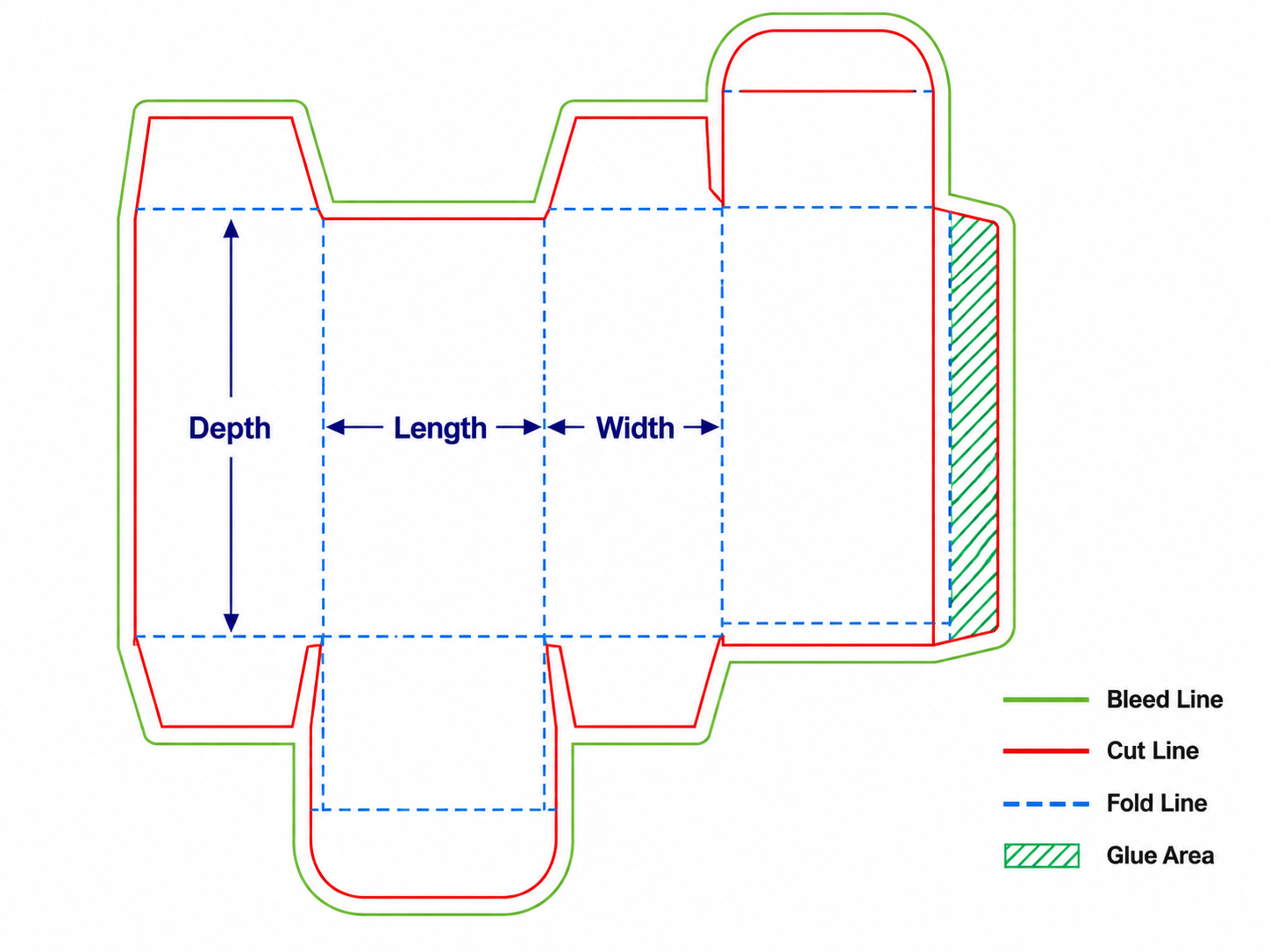
After board production, corrugated cardboard is converted into cartons through slotting, die-cutting, folding, and gluing. Each step affects final performance.
Accurate die-cutting ensures proper box dimensions and clean fold lines. Controlled gluing provides strong seams without excess moisture. Folding accuracy maintains box geometry and stacking strength.
In the workshop, quality checks focus on size tolerance, bonding strength, and structural integrity to ensure consistency from sample to mass production.
Manage Moisture and Environmental Factors
Corrugated cardboard is sensitive to moisture. Proper usage includes controlling exposure during storage and transport.
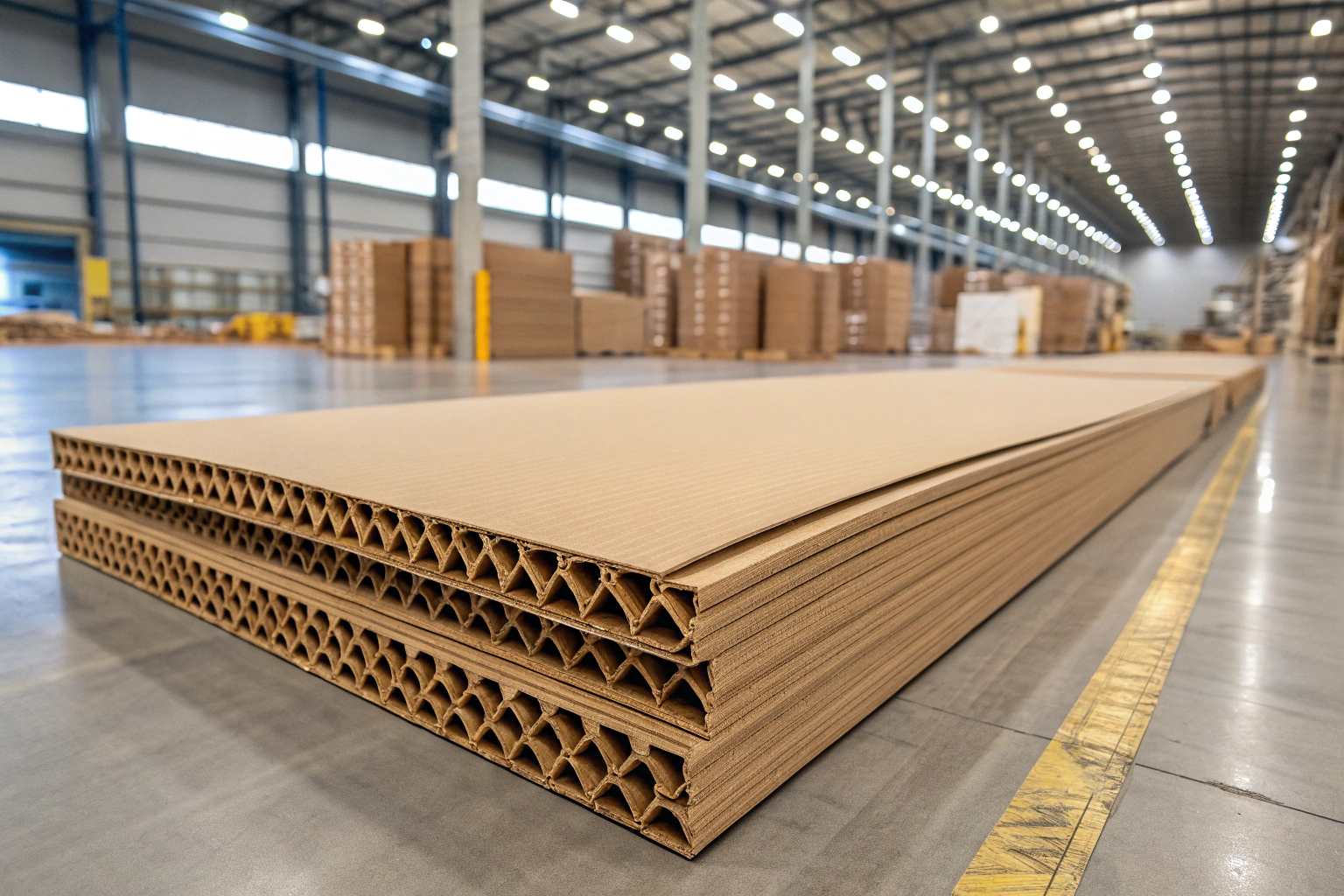
Boxes are stored in dry, ventilated warehouses and kept off floors and walls. During shipping, especially long-distance or sea transport, moisture protection such as pallet wrap, container liners, or desiccants is applied when necessary.
Moisture management protects compression strength and prevents deformation before boxes reach end use.
Apply Corrugated Cardboard in Real Packaging Scenarios
Corrugated cardboard is used across many packaging scenarios, from inner packaging to outer shipping cartons. Correct application aligns structure with function.
For fragile products, corrugated inserts and partitions improve protection. For retail or e-commerce, die-cut designs enhance efficiency and presentation. For bulk transport, reinforced cartons improve stacking performance.
Application success depends on how well material, structure, and process work together.
Conclusion
Using corrugated cardboard for packaging is a technical process that goes far beyond choosing a box style. It starts with selecting the correct board structure and continues through carton design, factory production control, converting accuracy, and environmental management. Each stage directly affects strength, stability, and reliability.
From a manufacturing perspective, stable corrugated packaging is built inside the factory. Controlled corrugating conditions, precise converting processes, and disciplined workshop management create the foundation for consistent performance. This foundation must then be protected through proper storage, handling, and transportation practices.
When corrugated cardboard is used correctly, it delivers an optimal balance of protection, efficiency, and cost control. It supports scalable production, reduces damage risk, and adapts to different logistics environments. This is why corrugated cardboard remains a core packaging material and why professional usage, not just material choice, determines packaging success in real-world applications.