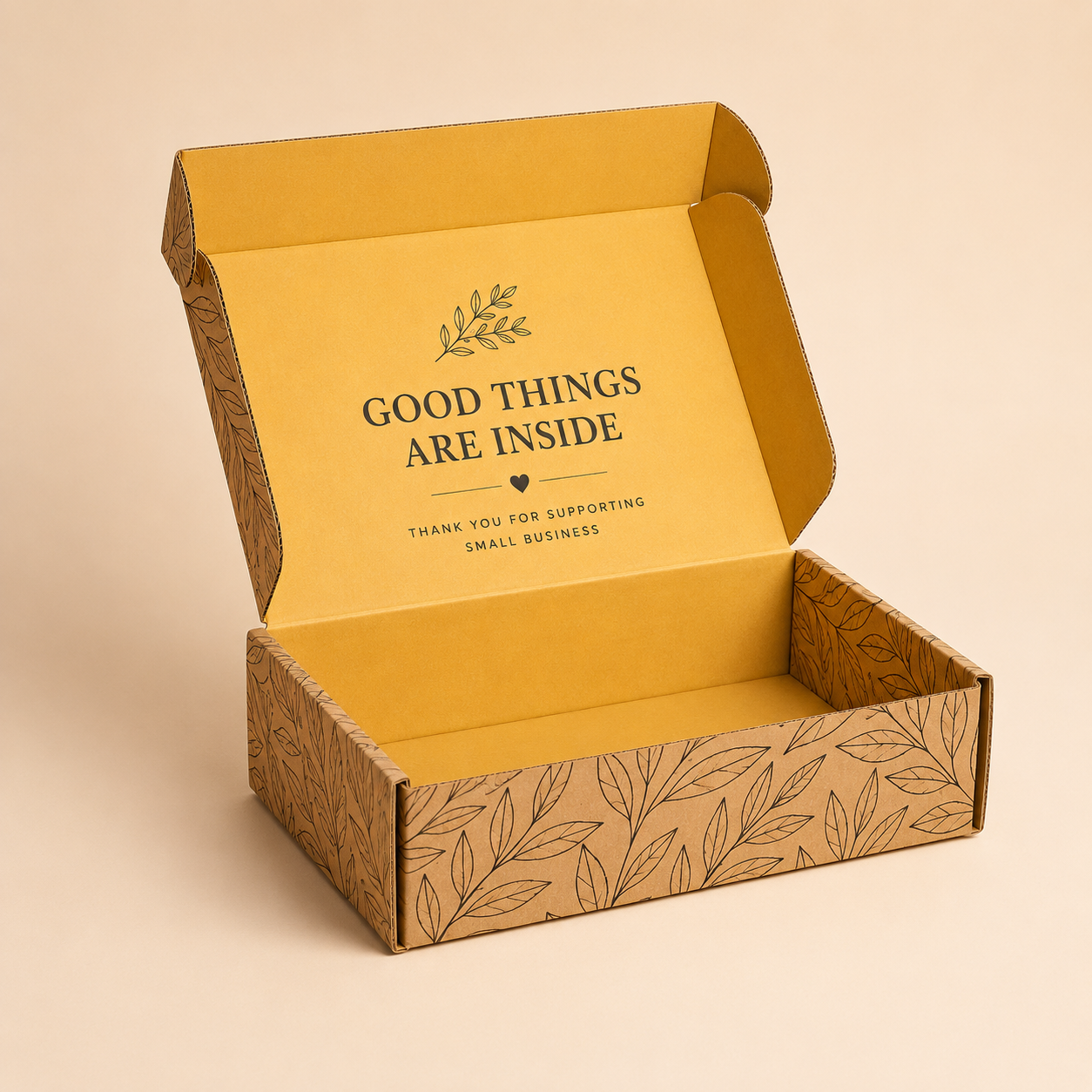
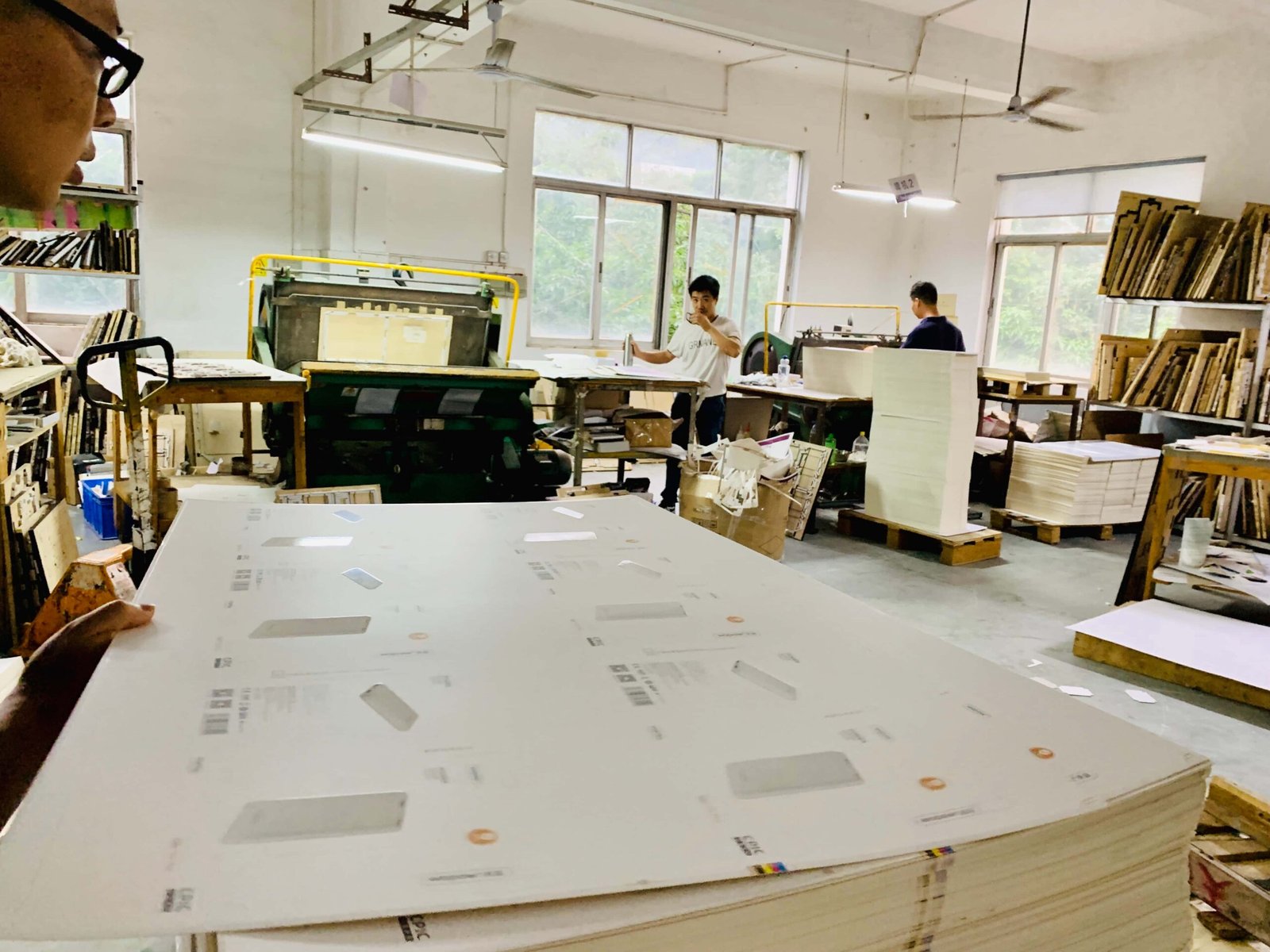
Custom packaging does more than protect a product. The shape, color, graphics, and finishing details of a box can influence how customers see the brand before they even open it. A well-designed custom box can make a product feel more premium, memorable, and worth sharing.
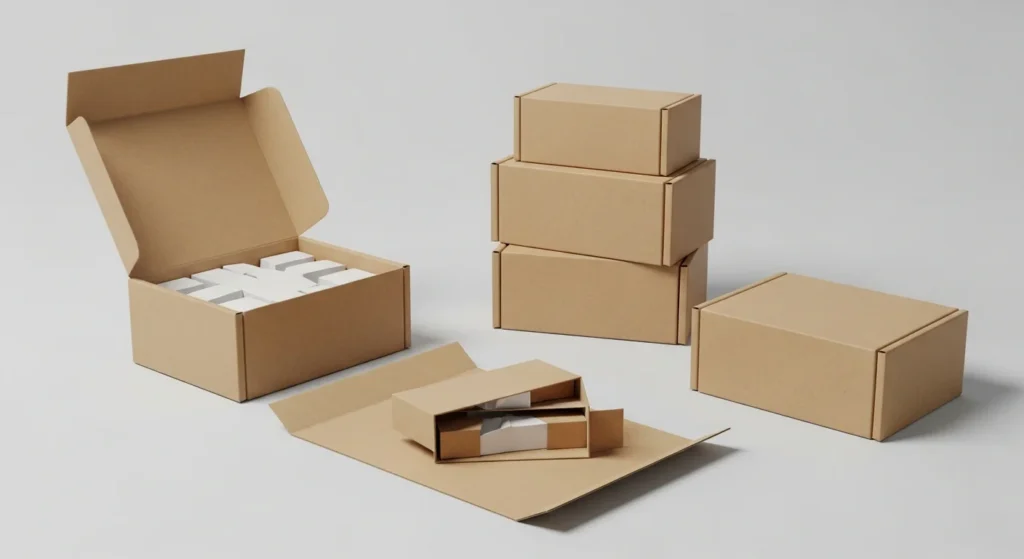
There are many ways to make custom packaging stand out, from bold color combinations and minimalist layouts to window cutouts, foil stamping, embossing, textured paper, and creative structural designs. The right idea depends on the product, target customer, brand style, and budget, so good packaging design is about balancing appearance with function.
In this guide, I will share practical custom box design ideas that can help improve shelf appeal and create a stronger unboxing experience. We will look at colors, materials, printing, finishes, and structural details so you can choose design elements that fit your product and make your packaging more distinctive.
Creative Custom Box Design Ideas for Your Brand
Custom packaging can do much more than protect a product during shipping or storage. The right box design can strengthen brand recognition, improve presentation, and make the unboxing experience more memorable.
If you want your products to stand out in a competitive market, thoughtful packaging details can make a noticeable difference. From sustainable materials and bold colors to luxury finishes and creative structures, there are many ways to customize a box without making the design unnecessarily complicated.
Here are some practical custom box design ideas that can help your brand create packaging that looks distinctive, communicates clearly, and connects with customers.
Choose Sustainable Packaging Materials
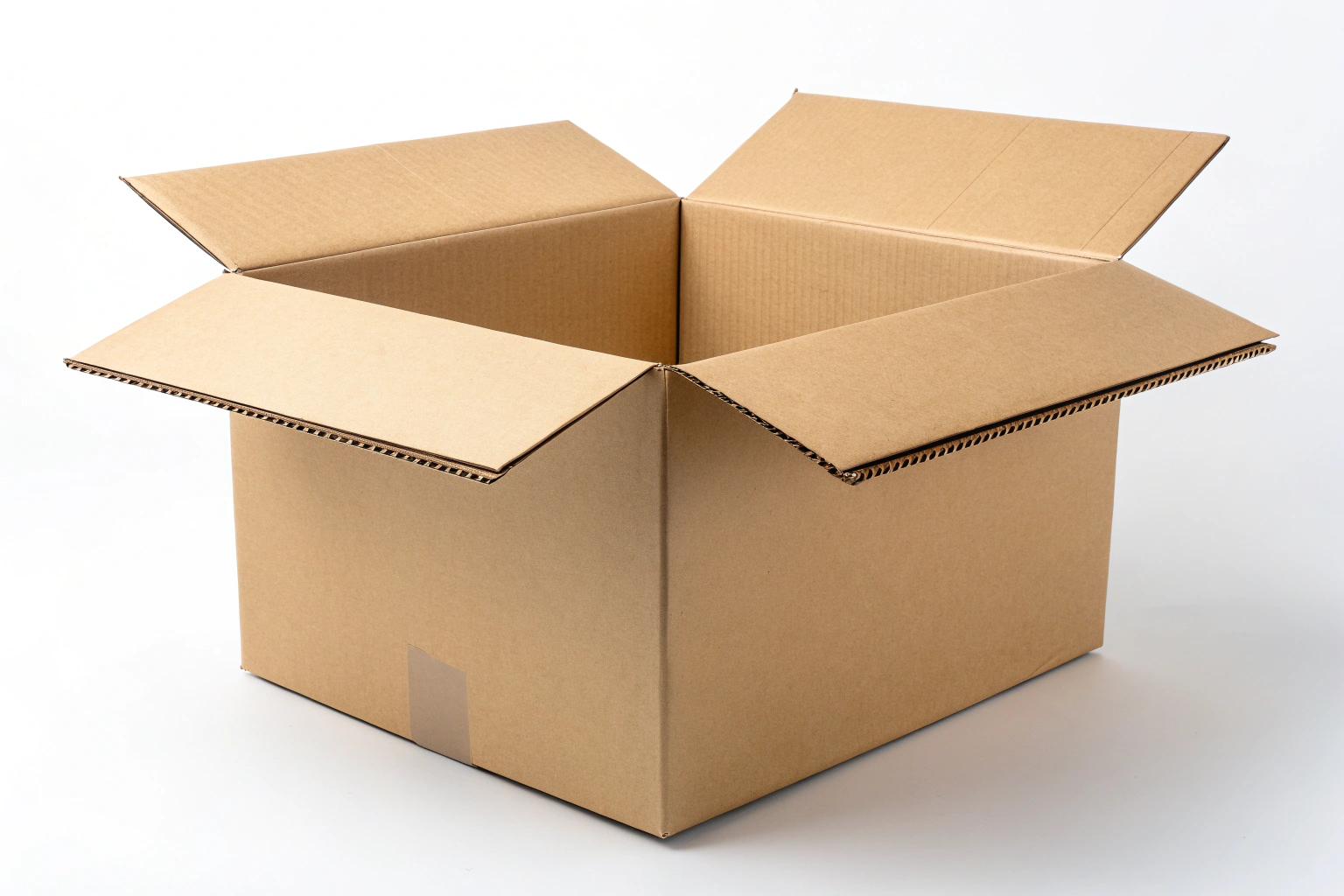
Eco-friendly packaging has become an important consideration for many brands. Instead of relying heavily on plastic or difficult-to-recycle materials, businesses can choose recyclable paperboard, kraft paper, corrugated board, or other responsibly sourced materials.
Sustainable packaging is not only about the material itself. It can also involve reducing unnecessary packaging, using lighter structures, limiting excessive coatings, and designing boxes that require less material during production.
A simple, recyclable box can communicate a responsible brand image while still looking attractive. For customers who care about environmental impact, this can also become an important part of the buying decision.
Build a Strong Color Palette
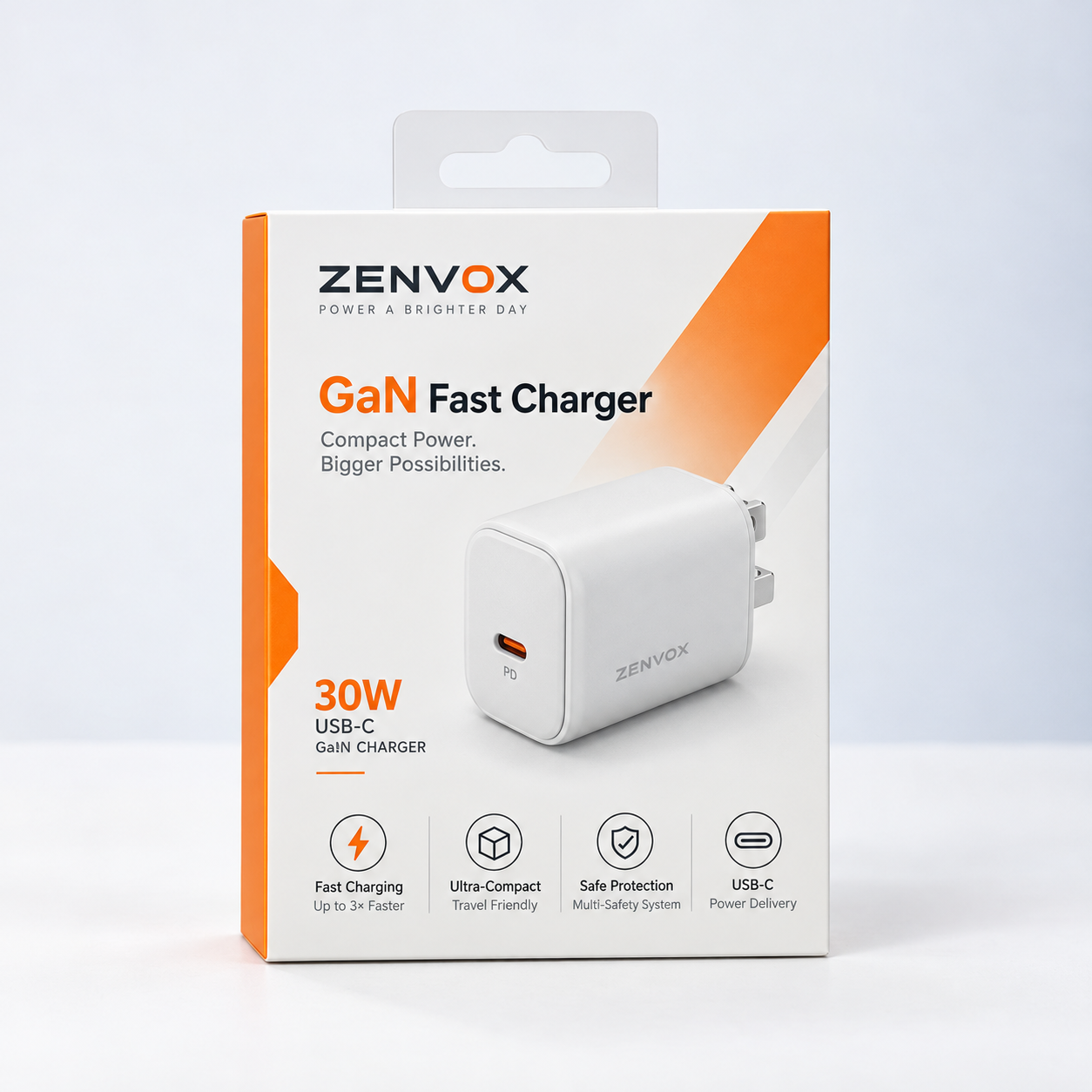
Color is one of the fastest ways to make packaging recognizable. A carefully selected color palette can help customers identify your products and connect the packaging with your overall brand identity.
Bold colors can make a box stand out on a shelf, while neutral or muted tones can create a more refined and premium appearance. The best choice depends on your target audience, product category, and brand personality.
Consistency is especially important. Using the same core colors across packaging, labels, websites, and marketing materials can make the brand easier to recognize over time.
Add Premium Finishes for a Luxury Look
Luxury packaging is often created through small details rather than overly complex design.
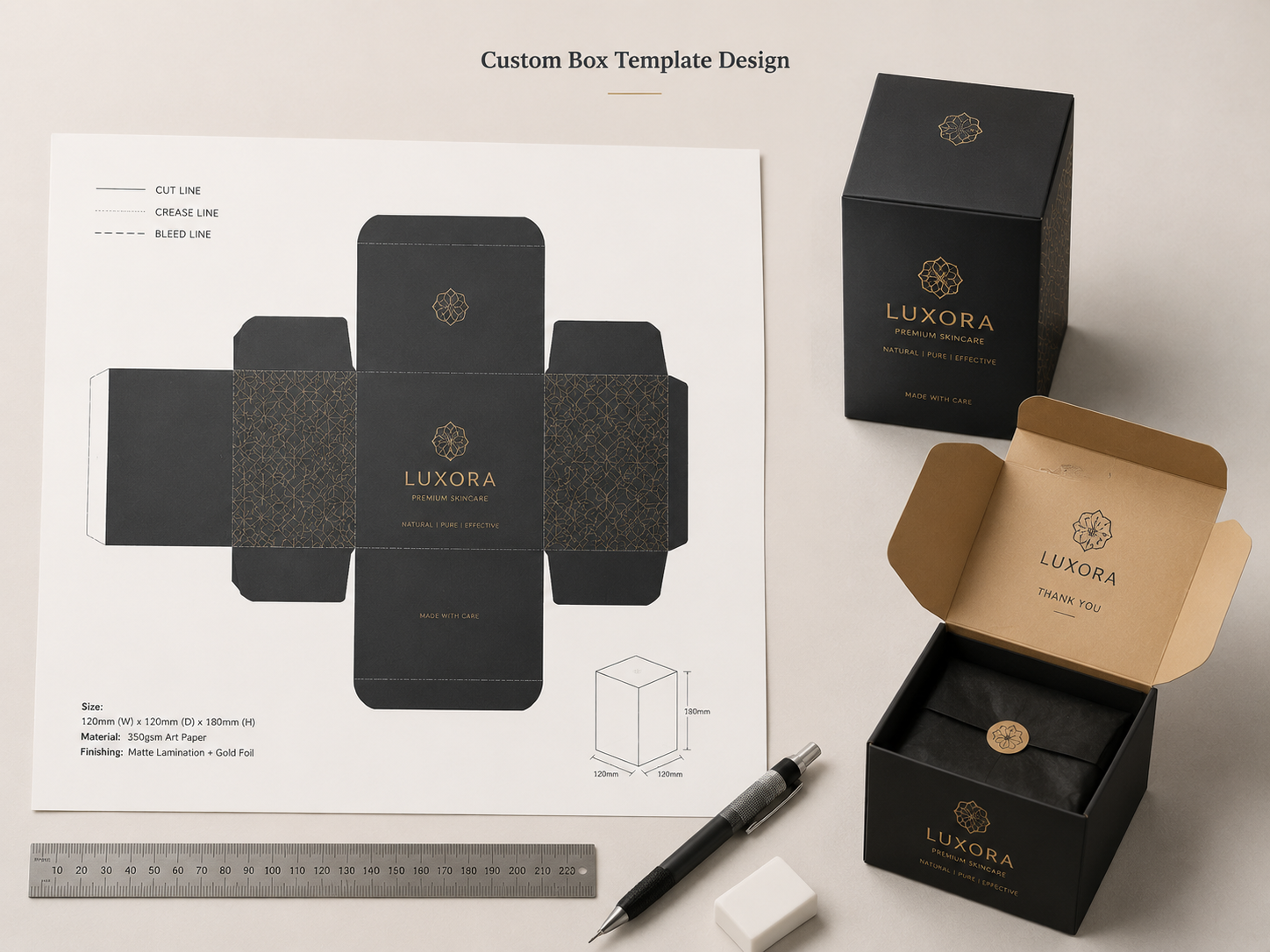
Foil stamping, embossing, debossing, magnetic closures, ribbon pulls, custom inserts, and textured surfaces can make a box feel more premium. Metallic foil finishes in gold, silver, rose gold, or other colors are often used to highlight logos, product names, or decorative elements.
Rigid boxes with magnetic closures can work particularly well for cosmetics, fashion accessories, gifts, jewelry, and other higher-value products.
Custom inserts and dividers can also improve presentation while protecting the product inside.
Use Images and Surface Finishes Strategically
High-quality graphics can immediately communicate what a product is about. Depending on the category, packaging can feature product photography, illustrations, patterns, lifestyle imagery, or simple graphic elements.
The key is to make sure the visuals support the brand rather than overwhelm the box.
Surface finishes can further change the appearance and feel of the packaging. Common options include matte lamination, gloss lamination, spot UV, aqueous coating, and soft-touch finishes.
When using characters, celebrities, logos, or other protected intellectual property, brands should also make sure they have the appropriate permission or licensing.
Experiment With Different Box Structures
The shape and opening style of a box can be just as important as its printed design.
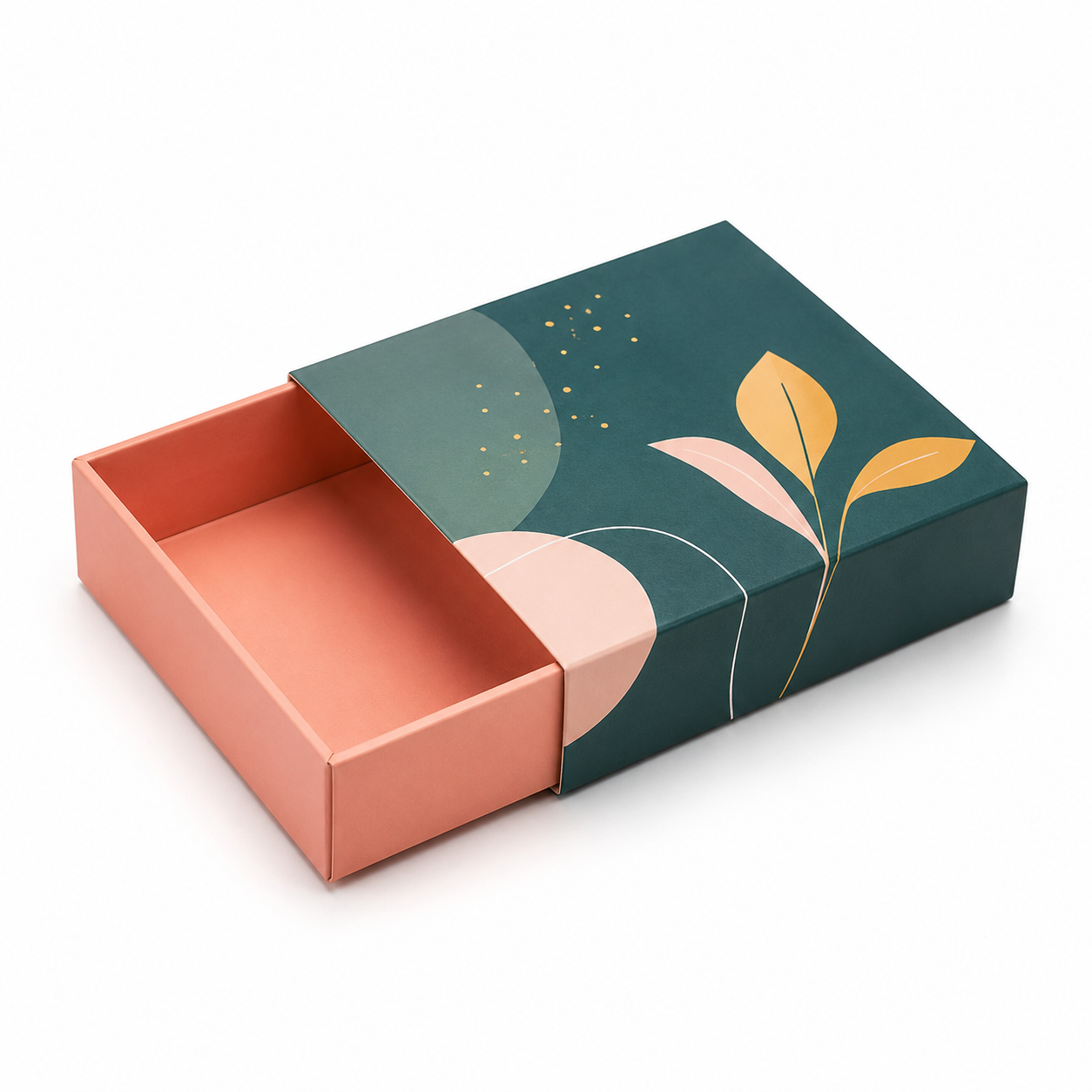
Traditional tuck-end boxes are practical and widely used, but there are many other structures available, including sleeve boxes, drawer boxes, flip-top boxes, magnetic boxes, display packaging, and window boxes.
You can also explore less conventional shapes such as hexagonal, round, or custom die-cut packaging.
The best structure should balance appearance with practical concerns such as product protection, storage, shipping efficiency, and ease of assembly.
A creative box shape can attract attention, but it should still be convenient to manufacture, transport, and use.
Include Clear Product Information
Good packaging should look attractive, but it also needs to communicate.
Depending on the product, the box may need to include ingredients, usage instructions, care information, dimensions, warnings, allergens, expiry dates, storage guidance, or other details.
Clear information helps customers understand the product before purchase and can also reduce confusion after they receive it.
The layout matters as much as the content. Use readable fonts, appropriate spacing, and a clear hierarchy so important information is easy to find.
For regulated product categories, brands should also confirm which labeling requirements apply in the markets where the product will be sold.
Add Personalized Messages or Brand Details
A small message can make packaging feel more personal.
Thank-you notes, short brand stories, slogans, seasonal messages, or limited-edition details can help create a stronger connection with customers.
These elements do not need to dominate the design. A short message printed inside the lid or on an insert card can be enough to make the unboxing experience feel more thoughtful.
For e-commerce brands in particular, these details can help turn ordinary packaging into part of the customer experience.
Use Windows to Show the Product
Window packaging allows customers to see part or all of the product without opening the box.
This approach is common for bakery products, toys, cosmetics, accessories, food items, and retail products where appearance strongly influences the purchase decision.
Windows can be created in many shapes and sizes, and they can become part of the overall graphic design rather than simply functioning as an opening.
Depending on the product and sustainability goals, brands can choose between traditional transparent films and alternative window materials.
The important thing is to make sure the window does not weaken the structure of the box.
Make Promotions Part of the Packaging Carefully
Packaging can also support promotions, seasonal campaigns, and limited offers.
For example, brands may add special-edition graphics, QR codes, promotional messages, bundle information, or event-specific designs.
However, it is usually better to avoid printing short-term pricing directly onto large quantities of packaging unless the promotion will last long enough. Otherwise, unused boxes may become obsolete.
Stickers, sleeves, labels, or removable inserts can be more flexible for temporary campaigns.
This makes it easier to update offers without redesigning the entire box.
Keep the Design Clean and Easy to Understand
More design elements do not always create better packaging.
Minimalist packaging often works because it gives each element enough space to stand out. A clear logo, simple typography, limited color palette, and well-organized information can create a stronger impression than a box filled with competing graphics.
Printing quality also matters. Digital printing and offset printing are common choices for custom boxes, while flexographic printing may be suitable for certain corrugated packaging applications. Pantone color matching can also be useful when consistent brand colors are important.
The right printing method depends on order quantity, box material, artwork, color requirements, and budget.
Final Thoughts on Custom Box Design
There is no single design style that works for every product.
A successful custom box combines appearance, function, brand identity, and production practicality. Sustainable materials may be important for one brand, while another may benefit more from premium finishes, structural creativity, or minimalist graphics.
Before choosing a design, think about how customers will see, open, carry, store, and dispose of the packaging. Those practical details often determine whether a box feels genuinely well designed.
At PackBoxPrint, we believe custom packaging should help a product look distinctive while still being practical to manufacture and use. Whether you are developing retail boxes, product packaging, gift boxes, or custom printed packaging, careful decisions about materials, structure, printing, and finishing can help create a stronger final result.