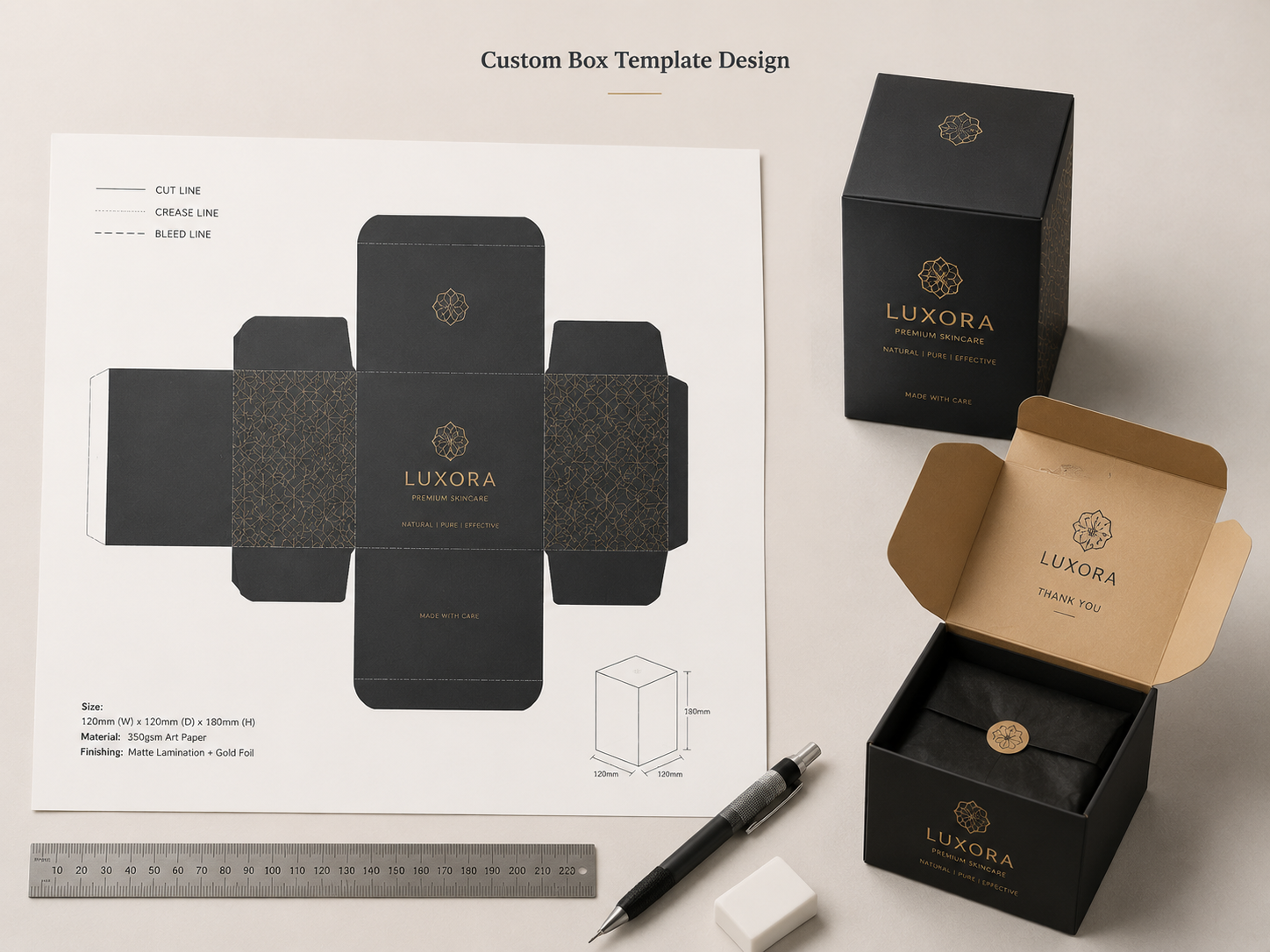
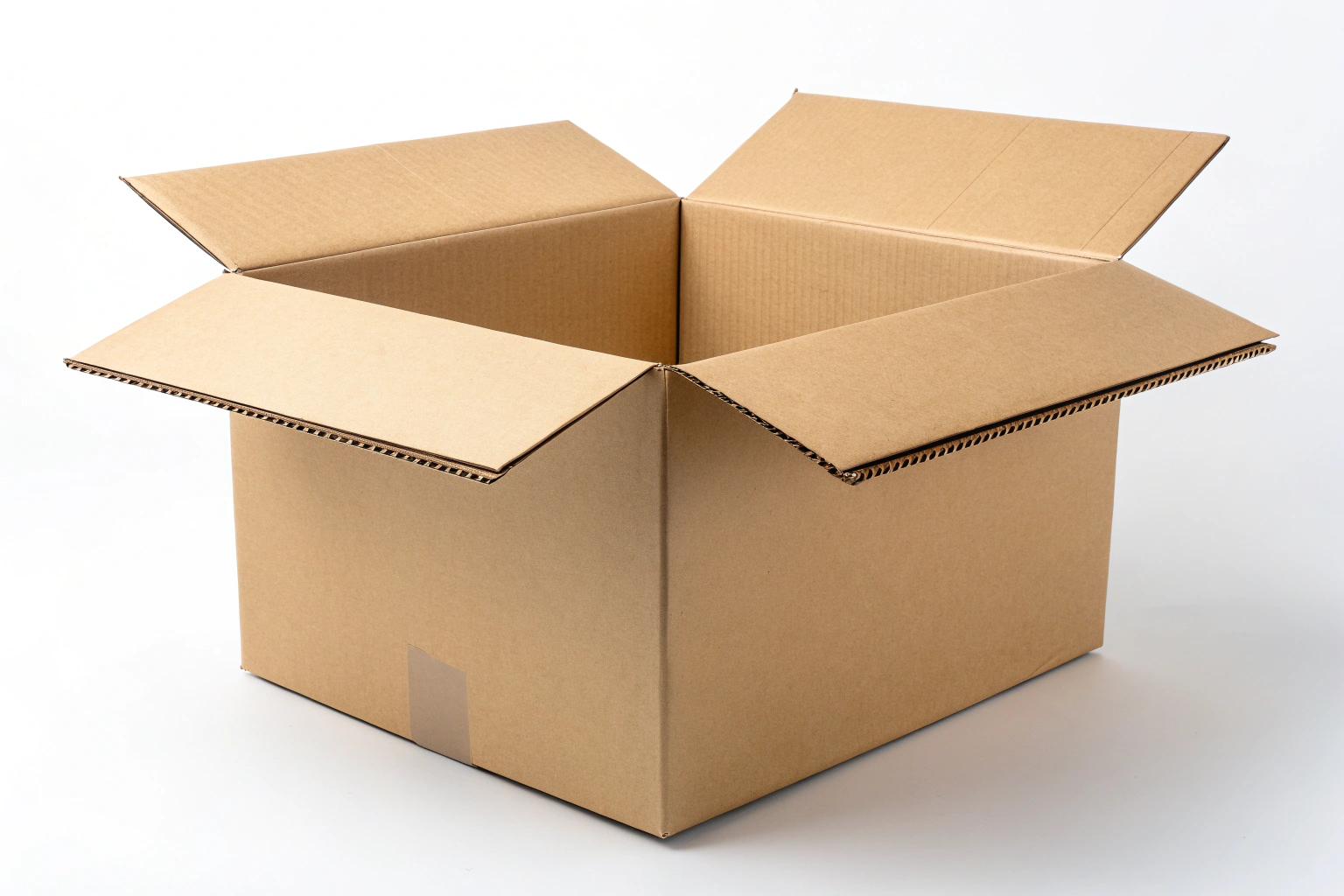
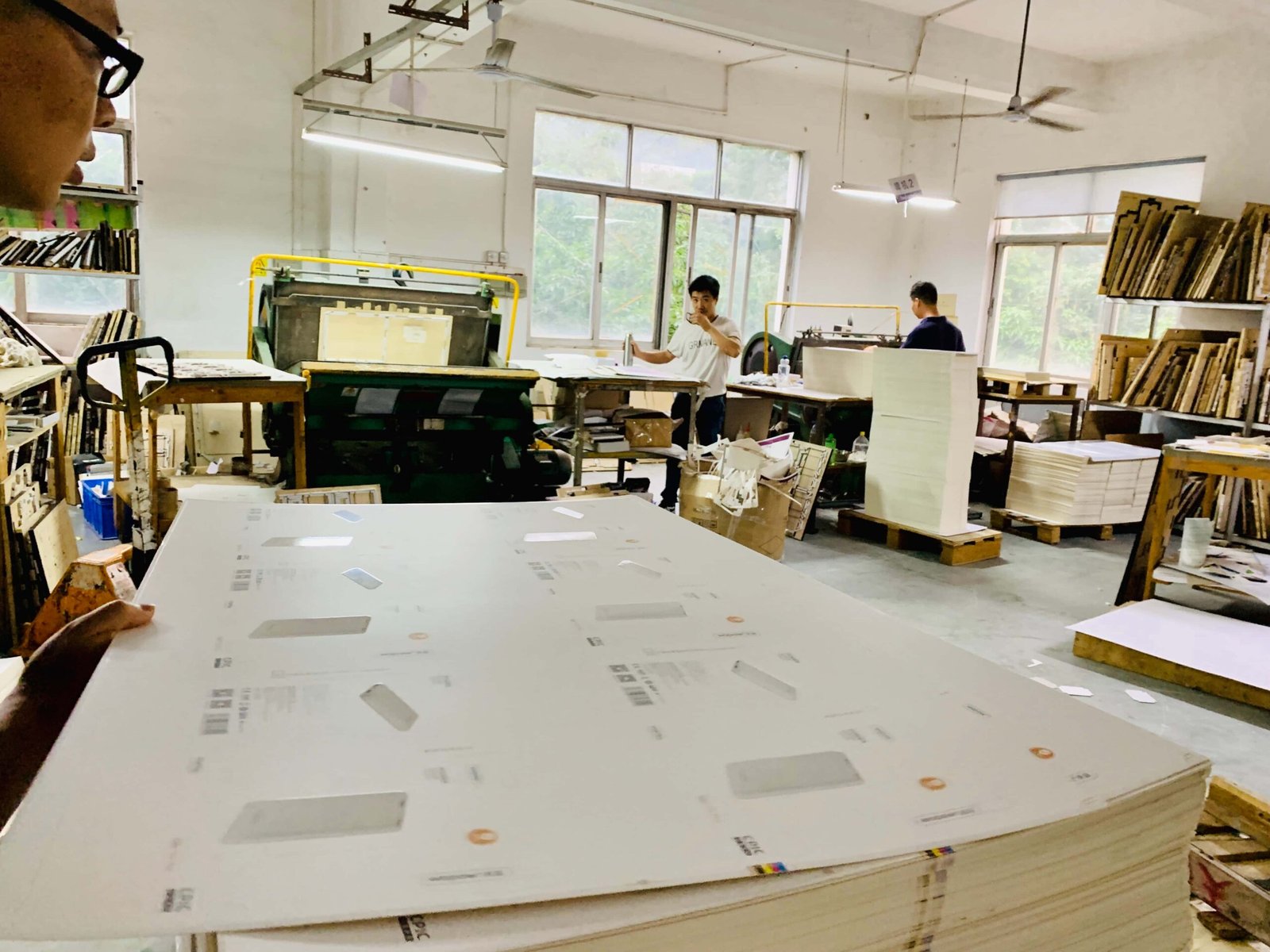
Packaging plays an important role in protecting products, supporting branding, and improving presentation, but it can also add significantly to the total cost of bringing a product to market. For many businesses, the challenge is finding a balance between keeping packaging affordable and maintaining the durability and appearance customers expect.
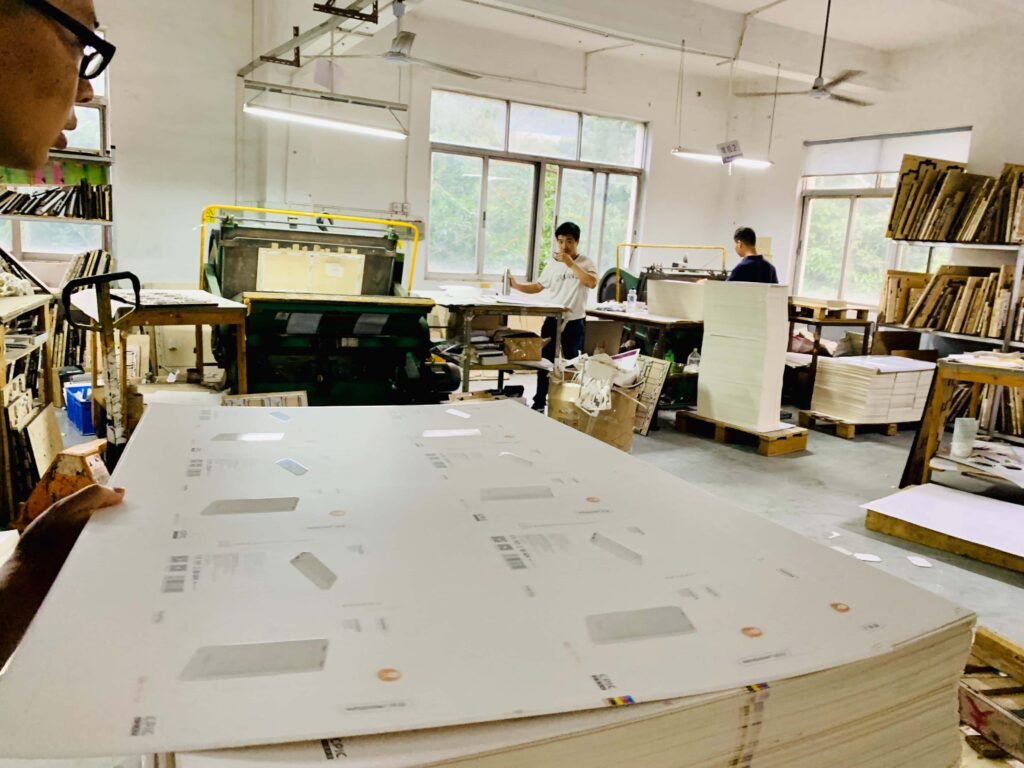
Reducing packaging costs does not always mean choosing the cheapest materials. In many cases, savings come from smarter decisions about box size, structure, materials, printing, order quantity, and production methods. Even small adjustments can lower material usage, shipping costs, and manufacturing expenses without sacrificing overall quality.
In this guide, we will look at practical ways to reduce packaging costs while keeping your packaging functional and professional. From selecting the right materials to optimizing dimensions and simplifying design, these strategies can help businesses control expenses and improve packaging efficiency.
What Usually Makes Packaging More Expensive?
Packaging does much more than protect a product. It also supports branding, presentation, storage, transportation, and the customer experience. Because of that, costs can rise quickly when the box is overdesigned, poorly sized, produced inefficiently, or ordered in the wrong quantities.
Some of the most common reasons for higher packaging costs include inefficient production, unnecessary material use, complex artwork, frequent small orders, weak supply-chain planning, and oversized packaging. In many cases, the problem is not one expensive feature but several small inefficiencies adding up across production and shipping.
At PackBoxPrint, we usually look at the entire packaging setup rather than focusing on box price alone. A lower unit cost is useful, but reducing material waste, labor, storage space, and freight can often create even greater savings.
Use Efficient and Automated Production Methods
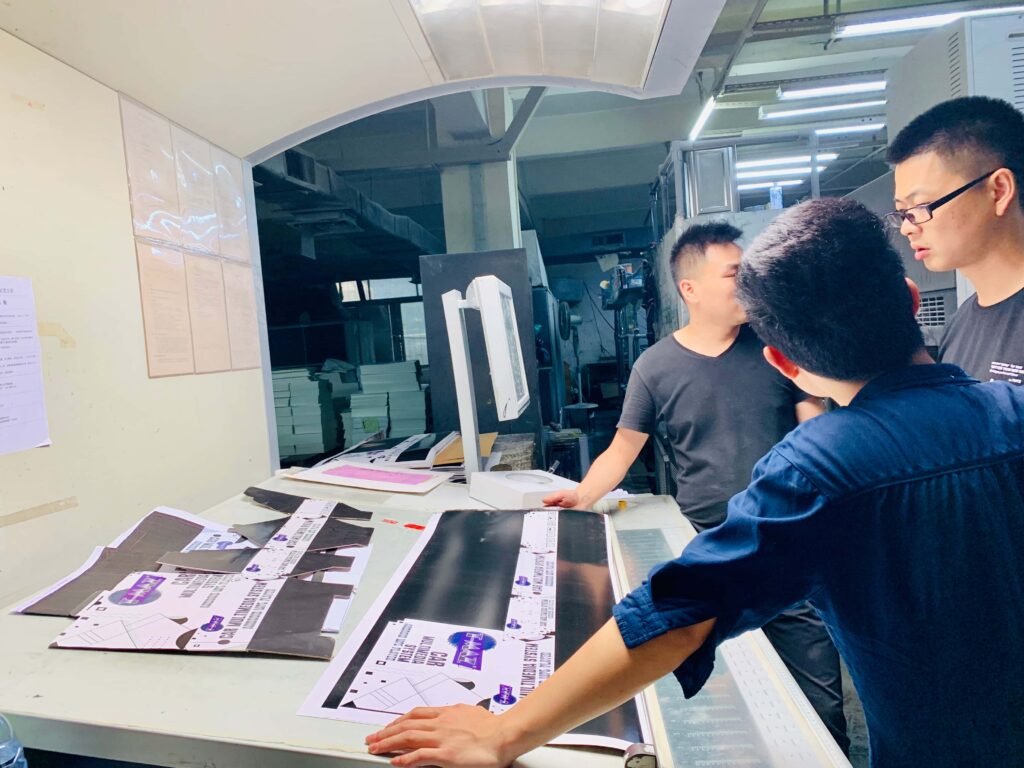
Modern packaging equipment can reduce both production time and labor requirements. Automation is especially useful for repetitive processes such as die cutting, folding, gluing, printing, and finishing.
For example, manual die cutting can take much longer and may produce inconsistent results. Automated die-cutting equipment can process larger quantities with greater accuracy and repeatability, helping reduce waste and improve production speed.
Although automated machinery requires investment on the manufacturing side, it can lower the cost per unit when production volumes are suitable. Faster setup, fewer errors, and more consistent output all contribute to better overall efficiency.
Match the Material to the Product
Choosing the right material is one of the easiest ways to control packaging costs. Not every product needs a premium rigid box or heavy board.
Disposable food packaging, for example, usually benefits more from practical materials such as kraft paper, paperboard, or lightweight cardboard. Using an expensive rigid structure for a product that will be discarded immediately after use would add cost without creating enough value.
The goal is to select a material that provides the protection, appearance, and performance the product actually needs. At PackBoxPrint, this often means balancing board thickness, durability, printing requirements, sustainability goals, and budget instead of simply choosing the most expensive option.
A well-matched material can reduce unnecessary spending while still keeping the packaging functional and professional.
Reduce the Need for Extra Fillers
Oversized packaging often creates hidden costs. When a small product sits inside a box with too much empty space, it can move around during shipping and become more vulnerable to damage.
To solve that problem, brands often add bubble wrap, paper filler, foam, or custom inserts. While these materials improve protection, they also increase material usage, packing time, and shipping weight.
A better approach is to design the box closer to the actual dimensions of the product. Proper sizing can reduce empty space, minimize the need for void fill, and lower both packaging and transportation costs.
Consider More Efficient Sustainable Materials
Sustainable packaging can also support cost control when the material is selected carefully. Kraft paper, paperboard, and corrugated board are widely used because they offer a useful balance of strength, printability, recyclability, and price.
That does not mean every eco-friendly material is automatically cheaper. Cost still depends on thickness, finish, certification requirements, order volume, and structure. However, simpler recyclable materials can often reduce unnecessary complexity while also supporting a more environmentally responsible packaging strategy.
For many businesses, the best option is a material that protects the product well without adding more weight or finishing than necessary.
Shorten the Packing Process
Labor is another part of packaging cost that is easy to overlook. If every order requires too many folding, sealing, wrapping, or inserting steps, packing expenses can rise quickly.
Simple box structures, pre-glued designs, easy-fold cartons, and well-planned inserts can help workers pack products faster and more consistently.
For higher-volume operations, semi-automated or automated packing equipment may also improve efficiency. The goal is not simply to work faster, but to reduce unnecessary handling while maintaining reliable product protection.
Consolidate Multiple Items When It Makes Sense
Packaging consolidation can be useful when several small items are shipped or sold together. Instead of placing every product in its own oversized secondary box, multiple items can sometimes share one appropriately designed package.
This approach can reduce the number of boxes used, lower material consumption, shorten packing time, and make shipping more efficient.
For example, small cosmetics, accessories, samples, or multipacks can often be arranged in one box with dividers or inserts rather than packaged individually with excessive outer packaging.
The key is to make sure consolidation does not reduce protection or make the products harder to organize.
Optimize the Overall Package Size
Reducing package size is one of the most effective ways to control packaging costs because it can influence material use, fillers, storage, and freight at the same time.
This does not mean making the box so tight that it becomes difficult to use or fails to protect the product. Instead, remove unnecessary space, oversized panels, and decorative components that do not add enough value.
If the budget is limited, a minimalist structure with fewer colors, simpler printing, and fewer add-ons can often look clean and professional while remaining economical.
Small products should generally use packaging designed around their actual dimensions rather than a generic box that is much larger than necessary. A generic size may seem convenient at first, but the extra board, void fill, storage space, and shipping volume can make it more expensive over time.
At PackBoxPrint, optimizing dimensions is one of the first areas worth reviewing because a well-sized box can improve both cost efficiency and product protection.
Make Better Use of Available Packing Space
Choosing the right box size is only part of the equation. You also need to use the available space efficiently, especially when packing multiple products for storage or transportation.
For logistics-heavy businesses, better space utilization can reduce the number of cartons, pallets, and shipments required. Careful product arrangement, standardized carton sizes, and smarter pallet loading can all help lower transportation and warehouse costs.
The goal is to reduce unused space without increasing the risk of damage. Efficient packing should always balance space savings with product protection.
Improve Staff Training
Well-trained employees can have a direct impact on packaging efficiency.
Staff who understand machinery, packing procedures, quality standards, and material handling are less likely to make mistakes that lead to wasted boxes, damaged products, rework, or production delays.
Regular training can include machinery operation, quality inspection, packing methods, safety procedures, and communication between production teams.
For packaging manufacturers, stronger training can also improve output consistency and reduce downtime.
Combine Packaging Requirements Across Product Lines
Businesses with multiple products often purchase different packaging separately, even when many of the requirements are similar.
Consolidating packaging needs across departments or product lines can create larger order volumes and make supplier negotiations easier. It may also allow you to standardize certain box sizes, materials, or printing specifications.
This can reduce setup costs, simplify inventory management, and prevent unnecessary duplication.
Before ordering, review the total packaging demand across the business and identify where common materials or structures can be shared.
Plan Packaging Needs Before They Become Urgent
Rush orders are often expensive.
When packaging is ordered at the last minute, businesses may have fewer choices in materials, production schedules, shipping methods, and suppliers. Expedited production and delivery can quickly increase the total cost.
A better approach is to plan around product launches, seasonal demand, promotions, and expected sales volume.
Longer lead times give you more opportunity to compare options, negotiate pricing, prepare artwork properly, and choose more efficient production methods.
Order Larger Quantities When It Makes Financial Sense
Bulk orders can reduce the cost per box because setup, tooling, printing, and production expenses are spread across more units.
However, buying more is not always automatically cheaper in the long run.
Before increasing order volume, consider storage capacity, demand forecasts, design changes, and the risk of packaging becoming outdated. If a product is frequently updated, ordering too much packaging may create waste instead of savings.
The best order quantity is the one that balances unit cost with realistic inventory needs.
Review Packaging Performance Regularly
Packaging costs can increase gradually without being obvious.
Regular packaging audits help identify where money is being lost through excessive materials, outdated designs, high freight costs, inefficient suppliers, unnecessary finishes, or frequent damage.
An audit can include:
- Material usage
- Box dimensions
- Damage and return rates
- Printing methods
- Supplier pricing
- Packing time
- Storage requirements
- Freight efficiency
Reviewing these areas regularly can reveal small improvements that add up to meaningful savings.
Test Different Packaging Solutions
Do not assume your current packaging format is the only suitable option.
Different products may work just as well with lighter materials, simpler structures, or alternative formats. For example, a product currently packed in corrugated board may be suitable for folding carton packaging, kraft paper, or a wrap-style solution depending on its weight and protection needs.
Testing alternatives allows you to compare cost, durability, appearance, and packing efficiency before committing to a larger order.
At PackBoxPrint, we recommend evaluating packaging based on actual product requirements rather than automatically choosing the heaviest or most complex option.
Explore Simpler and More Practical Alternatives
Alternative packaging does not necessarily mean lower quality.
Minimalist box structures, lightweight paperboard, kraft packaging, multi-use designs, and reduced secondary packaging can sometimes provide the same level of protection at a lower cost.
The most important question is whether the packaging performs the job it needs to do.
If a simpler structure protects the product, supports branding, and ships efficiently, adding more material may not provide enough value to justify the extra expense.
Keep Packaging Equipment Properly Maintained
Equipment problems can quickly turn into production costs.
Poorly maintained machinery may cause inaccurate cutting, weak gluing, inconsistent printing, material waste, slower output, or unexpected downtime.
Preventive maintenance helps reduce breakdowns and keeps production running more consistently.
For manufacturers, scheduled inspection and maintenance can also extend machinery life and reduce emergency repair costs.
Choose the Right Printing Method
Printing can represent a significant part of custom packaging cost, especially when designs use many colors, special finishes, or frequent artwork changes.
The printing method should match the order size and design requirements.
Digital printing is often suitable for shorter runs, prototypes, or frequently changing artwork because setup requirements are relatively low.
Offset printing can become more cost-effective for larger quantities where high print consistency and detailed graphics are important.
Flexographic printing may also be suitable for certain corrugated packaging and high-volume applications.
Reducing unnecessary colors, avoiding frequent redesigns, and selecting the appropriate printing process can help control costs without making the packaging look cheap.
Consolidate Your Supplier Network
Working with too many suppliers can create extra administrative work, inconsistent quality, and repeated setup costs.
When possible, consolidating packaging services with fewer reliable suppliers can make communication easier and improve purchasing efficiency.
A supplier that understands your box structures, artwork standards, materials, and order history may also be able to recommend more suitable production methods or identify opportunities to standardize packaging.
Fewer suppliers can also simplify quality control and make pricing negotiations more straightforward.
Remove Unnecessary Inserts
Inserts can improve protection and presentation, but they should only be used when they serve a clear purpose.
Promotional cards, excessive cushioning, manuals, foam pieces, and decorative inserts can all increase material cost and packing time.
If product information can be printed directly on the box, a separate card may not be necessary. If a better-fitting structure can hold the product securely, additional cushioning may also be reduced.
For delicate products, inserts may still be essential. In that case, consider simpler paperboard or molded fiber options instead of heavier or more expensive materials.
Final Thoughts
Reducing packaging costs is usually not about making one dramatic change. The biggest savings often come from improving several small areas at the same time.
Better sizing, simpler structures, fewer unnecessary inserts, efficient printing, larger but well-planned orders, improved staff training, regular audits, and stronger supplier management can all contribute to lower total packaging expenses.
The most effective approach is to look beyond the unit price of the box and consider the full cost of materials, production, packing, storage, damage, and transportation.
At PackBoxPrint, we focus on helping businesses create packaging that balances cost, protection, appearance, and production efficiency. By reviewing the structure, materials, printing, quantity, and logistics together, it is often possible to reduce expenses without sacrificing the quality customers expect.